Pickleball is fun, social, and easy to start—one reason it has exploded in popularity. But “easy to start” does not mean “injury-proof.” Many new players jump in with minimal warm-up, wear shoes that are not built for court movement, and play longer than their bodies are ready for. The result is a steady rise in pickleball injuries, ranging from mild overuse pain to sudden sprains and falls.
The good news is that most injuries are preventable with smart habits. This guide covers the most common pickleball-related injuries, why they happen, how to reduce your risk, and when it’s time to see a medical professional. This article is for education only and does not replace personal medical advice.
Why Pickleball Injuries Happen
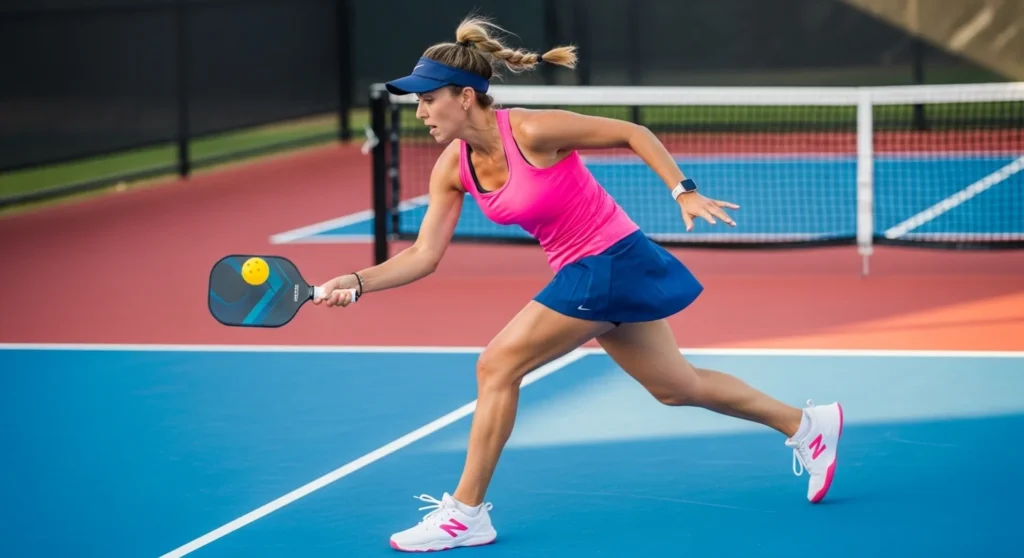
Pickleball combines quick starts and stops, side-to-side shuffling, reaching overhead, and fast reaction movements. Many players—especially beginners—are not conditioned for these demands. When your joints and tendons are not ready, the body compensates with poor mechanics, and pain follows.
Injury risk also increases when players go from “not active” to playing multiple times per week, or when they play through early warning signs like soreness, stiffness, or swelling.
Common risk factors to watch
- Skipping warm-ups and starting cold
- Wearing running shoes instead of court shoes (less lateral support)
- Overplaying (too many games, too soon)
- Poor technique on serves, volleys, and overhead shots
- Limited mobility in ankles, hips, shoulders, or thoracic spine
Most Common Pickleball Injuries and What They Feel Like
Pickleball injuries typically fall into two categories: (1) overuse injuries from repetitive motion and (2) acute injuries from sudden movements, slips, or falls. Knowing the common patterns helps you respond early.
1) Tennis elbow (lateral epicondylitis)
Even though it’s called tennis elbow, this injury is extremely common in pickleball. It develops when the tendons on the outside of the elbow are overloaded by repetitive gripping and wrist movements.
Common symptoms:
- Pain on the outside of the elbow
- Soreness when gripping the paddle or lifting objects
- Worse pain after playing, especially after hard hits
What helps early: reduce play volume, improve grip technique, use a more forgiving paddle/grip setup, and start forearm strengthening (light, controlled exercises). If pain persists for weeks, a physical therapist can address mechanics and tendon loading.
2) Shoulder strain and rotator cuff irritation
Overhead shots, quick reaches, and repeated volleys can irritate the rotator cuff and surrounding shoulder structures—especially if your shoulder mobility or upper-back rotation is limited.
Common symptoms:
- Pain reaching overhead or behind your back
- Weakness or “pinching” during serves
- Night pain when lying on the affected side
What helps early: reduce overhead volume, improve shoulder blade control, strengthen rotator cuff muscles, and restore upper-back mobility. Persistent pain should be evaluated to rule out significant tendon injury.
3) Achilles tendon pain and calf strain
Sudden starts, lunges, and quick direction changes load the calf and Achilles tendon. If you play frequently without conditioning, these tissues can become irritated.
Common symptoms:
- Stiffness in the Achilles area, especially in the morning
- Calf tightness that worsens during or after play
- Pain during push-off or sprinting
What helps early: reduce intensity temporarily, add calf strength work (progressive loading), and ensure proper footwear. Sharp “snap” pain or sudden weakness can indicate a serious injury and needs urgent evaluation.
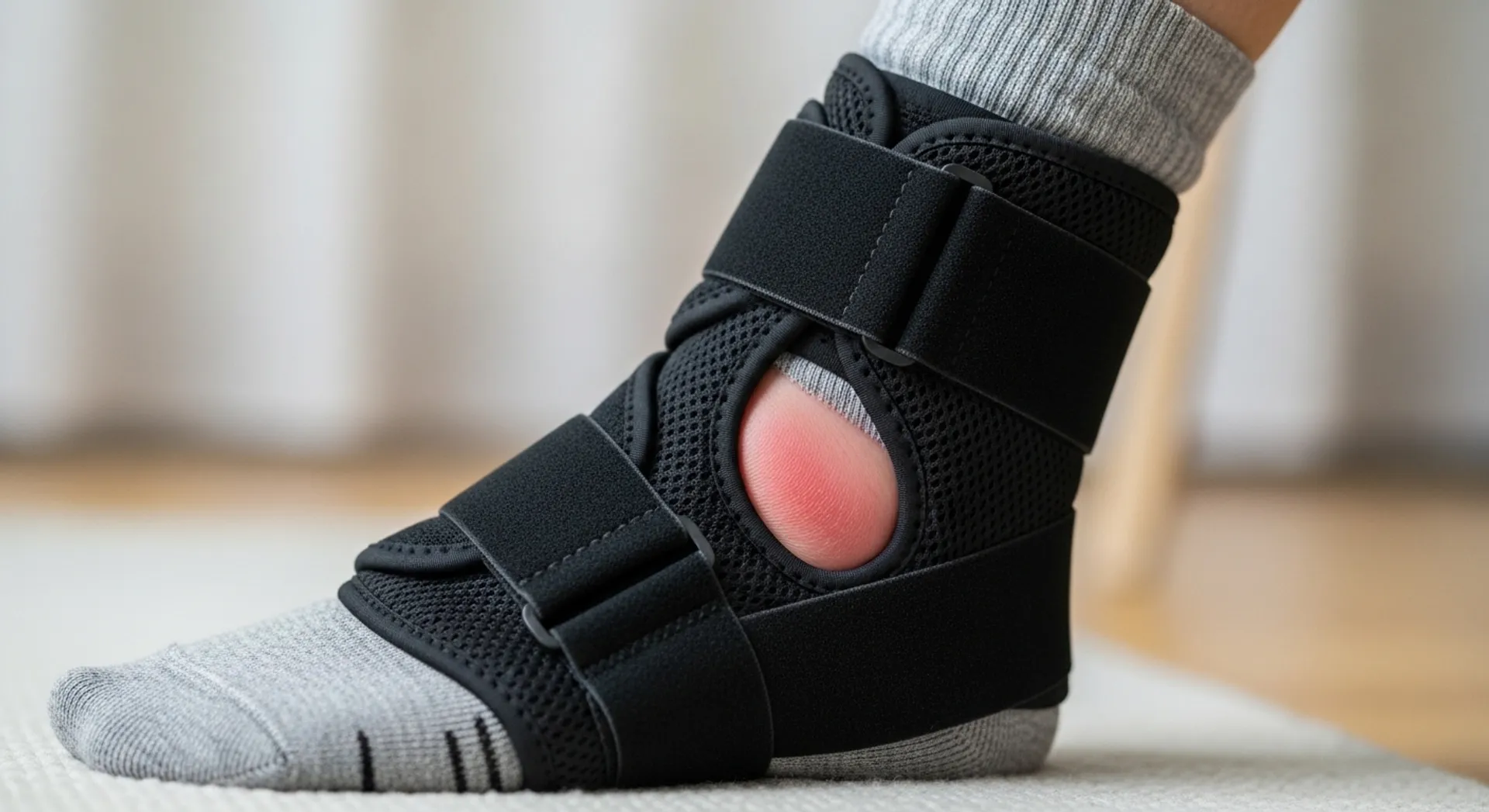
4) Ankle sprains and foot injuries
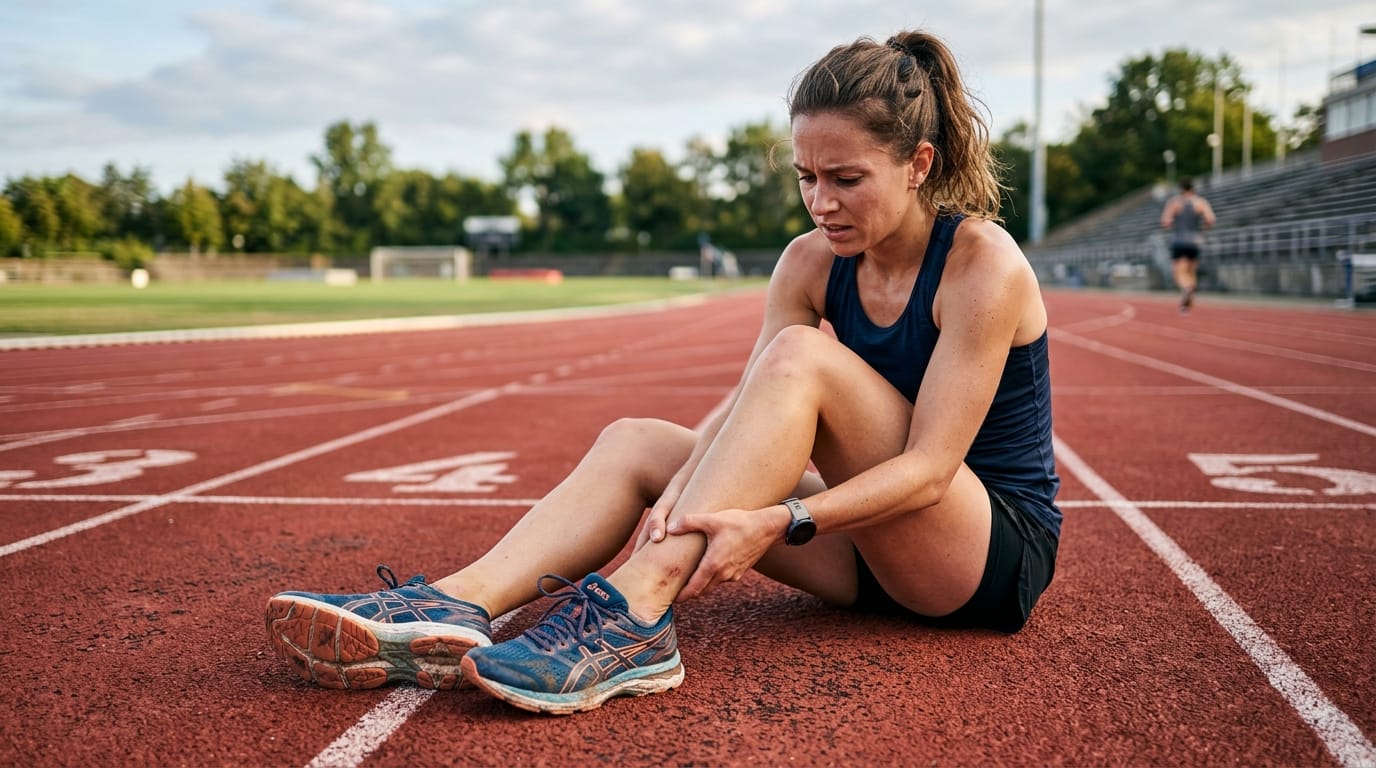
Ankle sprains are common in court sports because of lateral movement and quick pivots. Uneven surfaces and poor shoe support increase risk. Foot pain can also appear from repetitive impact and abrupt stops.
Common symptoms:
- Swelling and bruising around the ankle
- Pain when bearing weight or changing direction
- Instability or feeling like the ankle “gives out”
What helps early: rest, compression, elevation, and a guided return to movement. If you can’t walk normally, swelling is severe, or pain is intense, get medical assessment to rule out fracture.
5) Knee pain (patellar tendon irritation or meniscus aggravation)
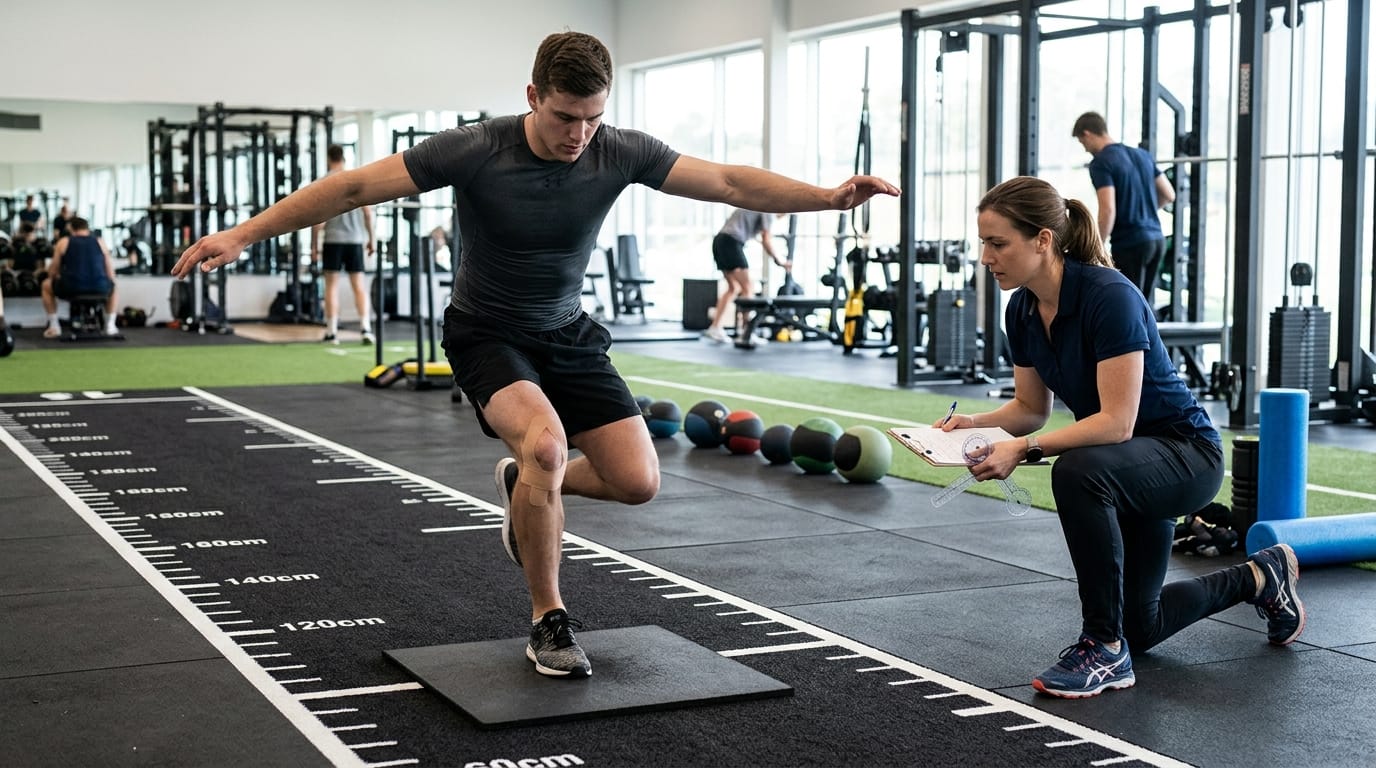
Pickleball involves repeated squatting, lunging, and quick stopping—movements that can irritate the front of the knee or aggravate meniscus issues, especially in players with limited hip strength or ankle mobility.
Common symptoms:
- Pain around the kneecap when bending or climbing stairs
- Swelling after playing
- Clicking, locking, or sharp pain with twisting
What helps early: reduce twisting motions, strengthen hips and quads, and improve movement mechanics. Locking, buckling, or significant swelling should be evaluated.
How to Prevent Pickleball Injuries
Prevention isn’t complicated, but it does require consistency. The goal is to prepare your joints and tendons for court demands and to avoid sudden spikes in volume or intensity.
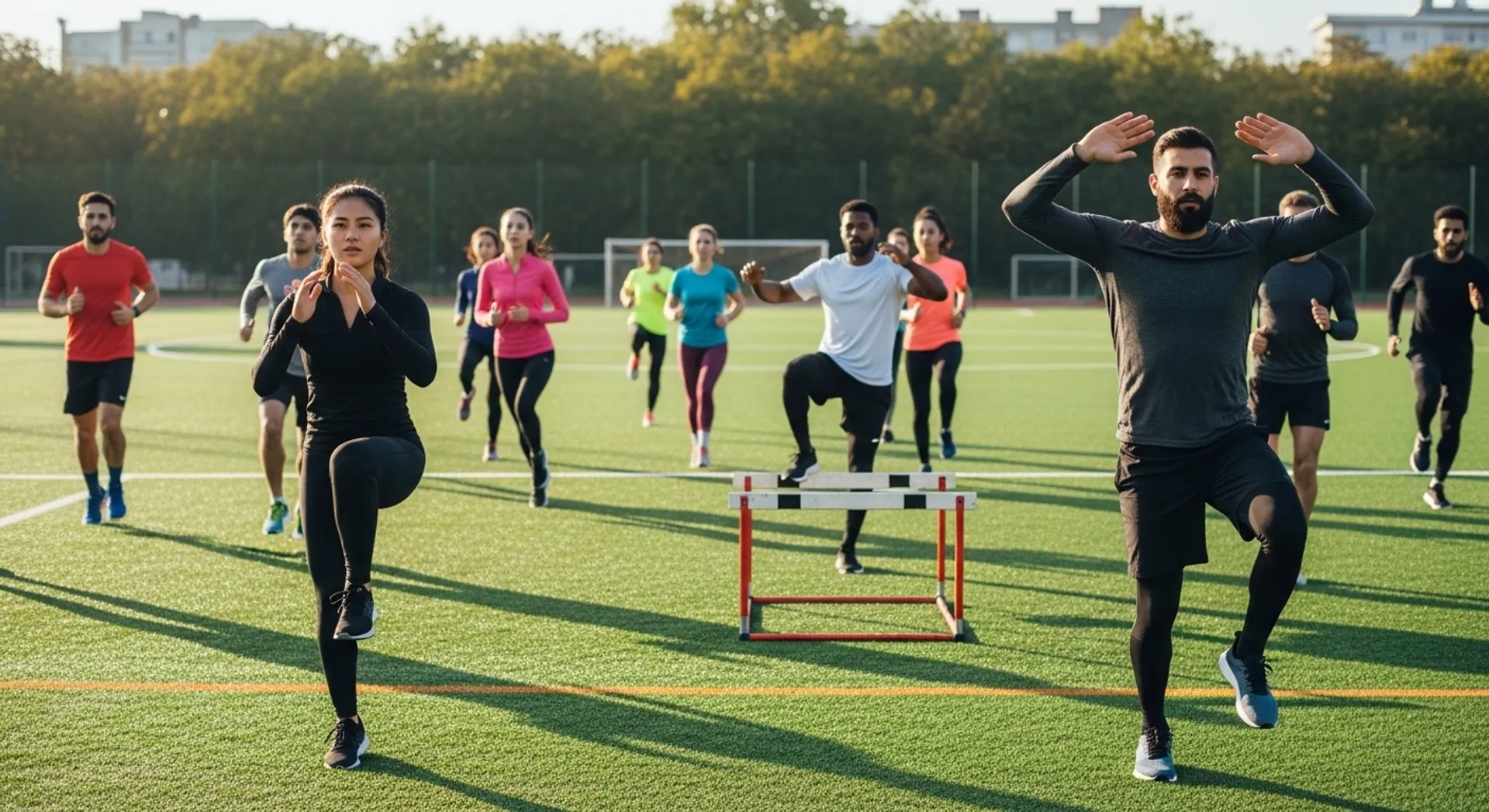
Warm up the right way (5–10 minutes)
A good warm-up raises body temperature and prepares muscles for fast movement. Focus on dynamic movements rather than long static stretching.
- Light jogging or brisk walking
- Leg swings, hip circles, and ankle mobility
- Arm circles and gentle shoulder activation
- Side shuffles and controlled lunges
Use proper footwear and smart equipment
Court shoes are designed for lateral movement and stability. Running shoes are built for forward motion and can increase sprain risk during side-to-side play. If you have recurring foot or ankle pain, consider a professional shoe fitting and supportive insoles if recommended.
Also consider paddle grip size and vibration. A poor grip setup can increase stress on the elbow and wrist.
Progress slowly and schedule recovery
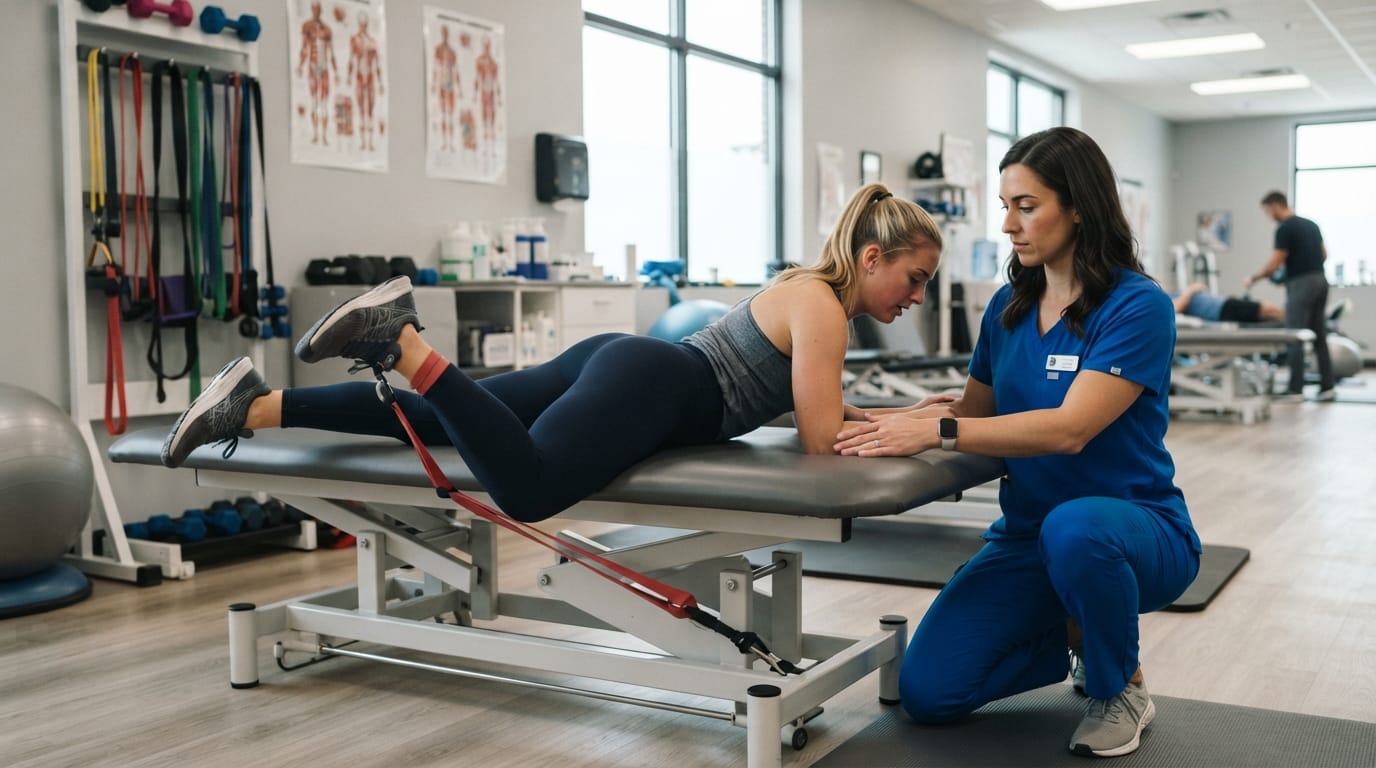
One of the biggest injury triggers is playing too much too soon. If you’re new, start with shorter sessions and add time gradually. Build strength on non-playing days with simple routines:
- Calf raises and balance drills for ankles/Achilles
- Squats and step-downs for knees and hips
- Rotator cuff and shoulder blade strengthening for overhead control
- Forearm and grip strength work to protect the elbow
Rest is not “doing nothing.” It’s tissue recovery. If your body is always sore, your volume is too high.
When to See a Doctor or Physical Therapist
Many mild aches improve with rest and a smarter plan. But certain symptoms should not be ignored. Seek medical care or a qualified clinician if you experience:
- Severe swelling, bruising, or inability to bear weight
- Sharp pain that does not improve after a few days of rest
- Joint instability, buckling, or locking
- Numbness, tingling, or radiating pain
- Worsening pain that returns every time you play
For general sports injury guidance and prevention principles, the American Academy of Orthopaedic Surgeons (AAOS) offers educational resources: https://orthoinfo.aaos.org/.
Suggested Internal Links (sportsinjuries.com)
- Ankle Sprain Recovery Timeline
- Tennis Elbow Treatment and Exercises
- Knee Pain From Sports: Common Causes
Final Thoughts
Pickleball is a great sport, and you shouldn’t have to quit because of preventable injuries. Most pickleball injuries come down to overload, poor preparation, or equipment that doesn’t match the demands of the game. Warm up, use supportive footwear, build strength, and increase play time gradually. If pain lingers or worsens, get help early—because addressing small problems now is the fastest way to stay on the court long term.