ACL injuries in women’s soccer are getting serious attention in 2026, and the reason is clear. Too many players are losing seasons, scholarships, contracts, tournaments, and confidence because of knee injuries that can take months to recover from. An anterior cruciate ligament injury is not a small setback. It can affect strength, speed, cutting ability, mental confidence, and long-term joint health.
The conversation became even louder after the NWSL and its players’ union joined Project ACL, a global effort focused on reducing ACL injuries in women’s soccer. The project already involved the Women’s Super League, FIFPRO, Nike, and research partners. Now, with more player data and more leagues involved, the conversation is shifting from “why do these injuries happen?” to “what must change to prevent more of them?”
That change matters for every level of the sport. Professional athletes may get the headlines, but ACL risks also affect college players, high school athletes, club players, and weekend competitors. When top organizations study injury patterns, workload, training access, pitch conditions, recovery time, and equipment, the lessons can eventually help athletes far beyond the professional level.
This topic fits well with the existing injury-prevention content on Sports-Injuries.com. If you have already read Strength Training for Injury Prevention in 2026 or Youth Sports Overuse Injuries in 2026, this article adds a focused soccer-specific layer.
Women players face a higher ACL injury burden
Research and sports medicine reporting have long shown that women athletes face a higher risk of ACL injury than men in comparable sports. Reuters reported that the NWSL’s involvement in Project ACL comes as women athletes are more than twice as likely to suffer ACL injuries as men. That gap has pushed clubs, leagues, researchers, and player unions to demand better answers.
For years, many explanations focused mainly on biology. Hormones, anatomy, neuromuscular control, landing mechanics, and knee alignment all entered the discussion. Those factors can matter, but Project ACL takes a broader view. It also looks at the environment around the athlete. That includes workload, scheduling, training conditions, pitch quality, recovery windows, and access to support.
Why the problem is bigger than one bad movement
Many ACL tears happen during non-contact moments. A player cuts, lands, pivots, decelerates, or changes direction, and the knee gives way. From the outside, it may look like one unlucky movement. In reality, that moment often reflects many layers of risk building over time.
Fatigue can affect landing control. A crowded schedule can reduce recovery. Poor strength balance may change movement mechanics. Limited access to quality training support can leave players underprepared for high-speed demands. Even footwear, surface conditions, and match congestion may influence risk.
Why Project ACL matters beyond professional soccer
Project ACL matters because it asks better questions. Instead of placing the entire burden on the athlete, it studies the system around the athlete too. That is important because prevention should not rely only on telling players to “land better” or “get stronger.” Those things help, but they are not the whole picture.
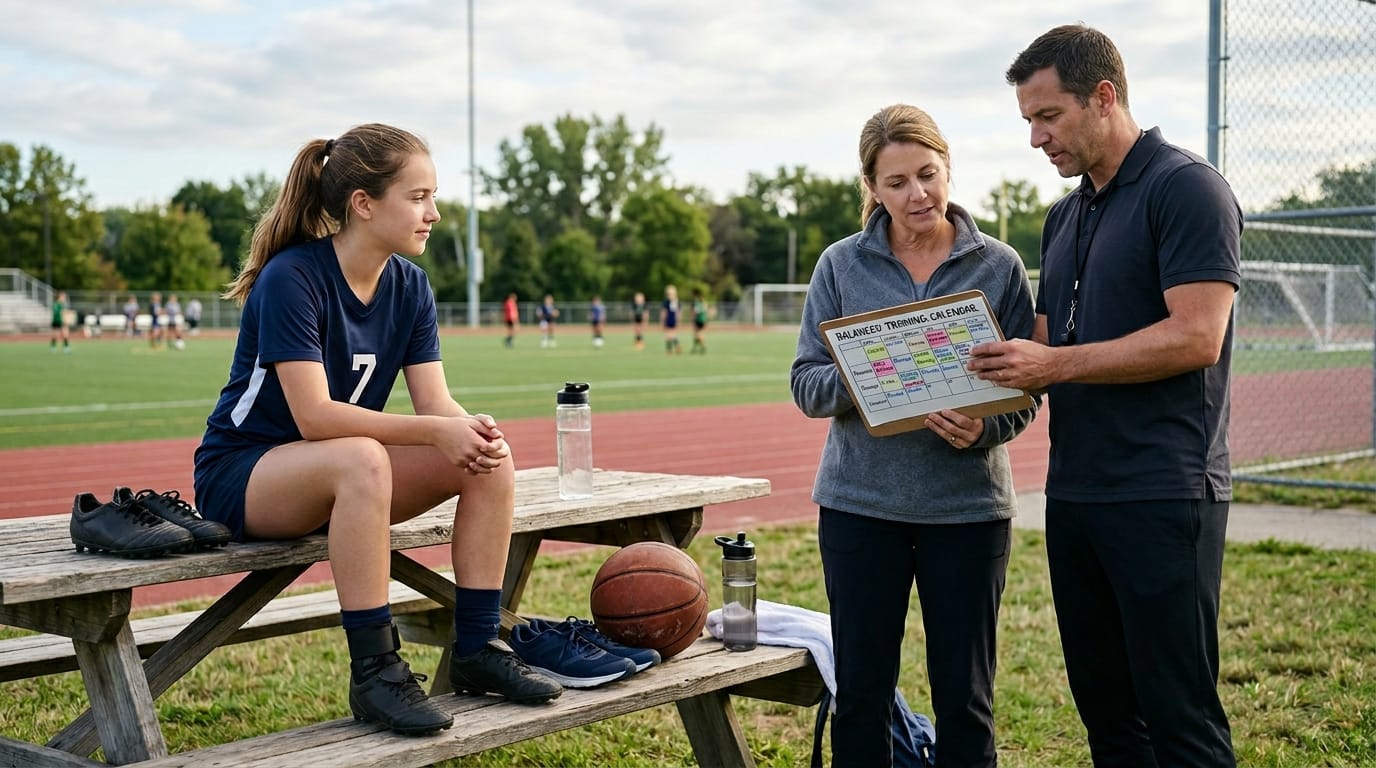
When leagues and researchers study workload, training access, and recovery time, they acknowledge that injury prevention is a shared responsibility. Coaches, clubs, parents, medical teams, strength coaches, and athletes all have a role. This broader approach can help improve prevention at youth, amateur, and elite levels.
What athletes and coaches should watch more closely
ACL prevention starts with movement quality, but it does not end there. Athletes and coaches should pay attention to how the body performs under fatigue, not only when fresh. A player may show good mechanics during a warm-up, then lose control late in training or near the end of a match. That is often where risk becomes more obvious.
Workload also matters. Players who move from low training volume to sudden high-intensity play may face higher risk. Tournament weekends, back-to-back matches, poor sleep, travel, and limited recovery can all add stress. For younger players, this connects directly with your article on youth sports overuse injuries.
Early warning signs should not be ignored
ACL injuries often feel sudden, but the body may show warning signs before a major injury. Athletes may notice knee instability, poor landing control, recurring soreness, fatigue that changes technique, or a lack of confidence when cutting. These signs do not guarantee an ACL tear, but they deserve attention.
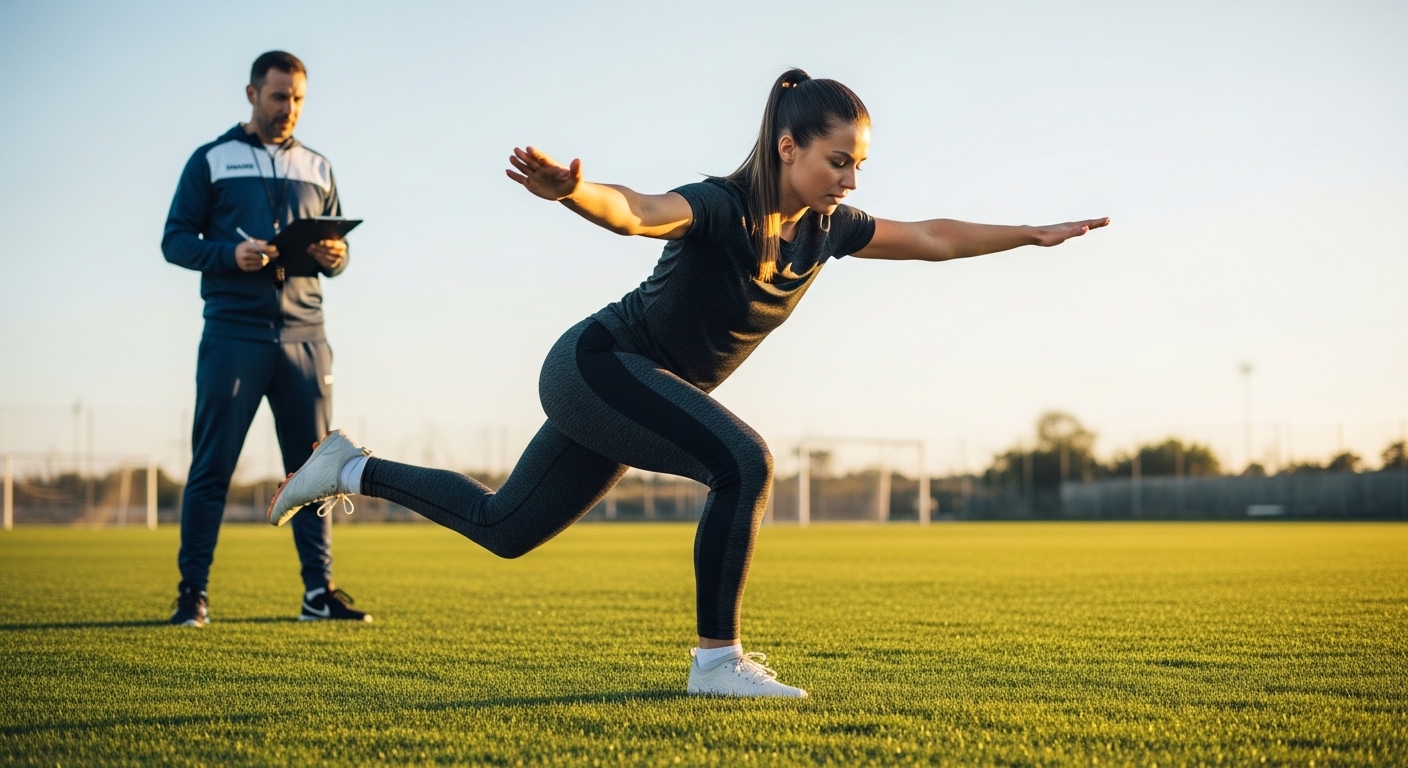
Coaches should also watch for visible movement changes. Knees collapsing inward during landing, poor single-leg balance, stiff deceleration, and awkward cutting mechanics can all signal that an athlete needs more support. These are training opportunities, not reasons to shame the player.
How to Build Smarter ACL Prevention and Recovery Habits
Prevention needs strength, control, and recovery
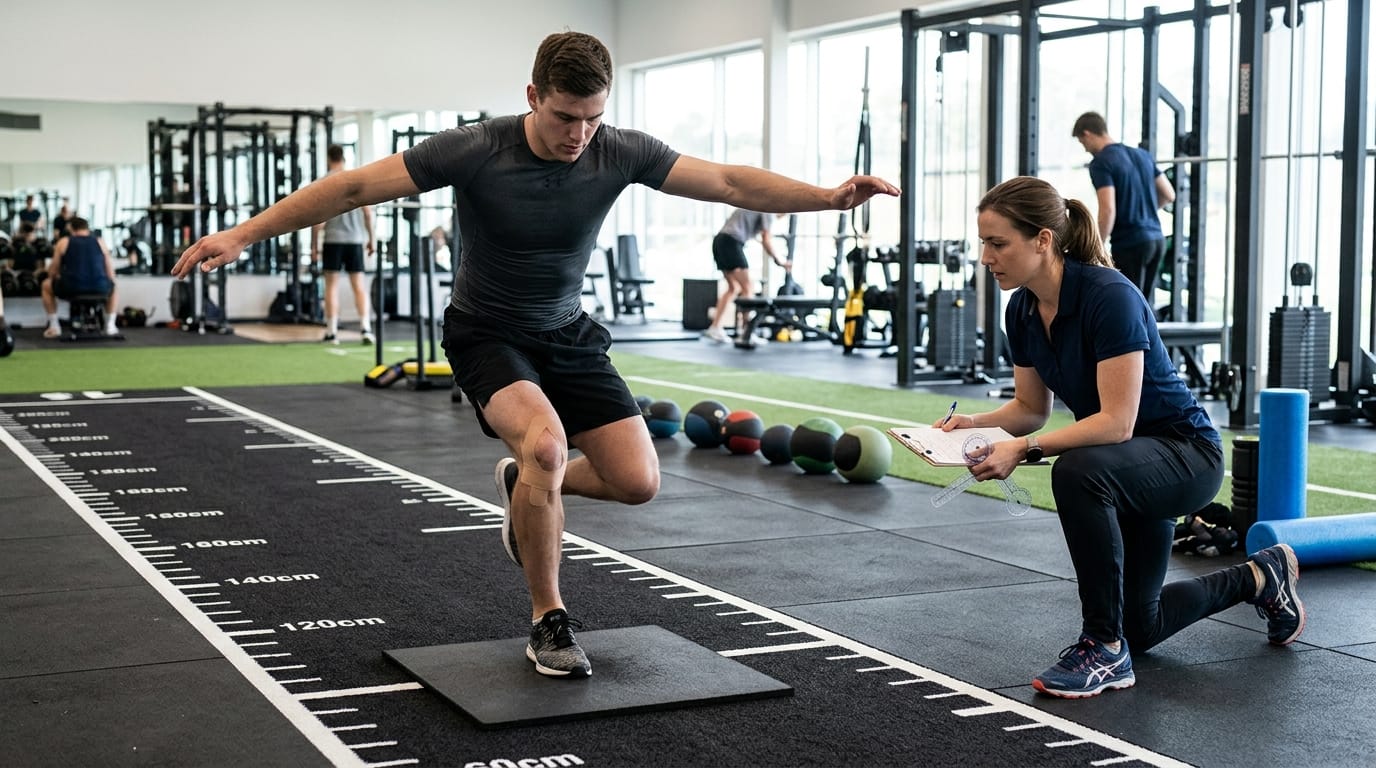
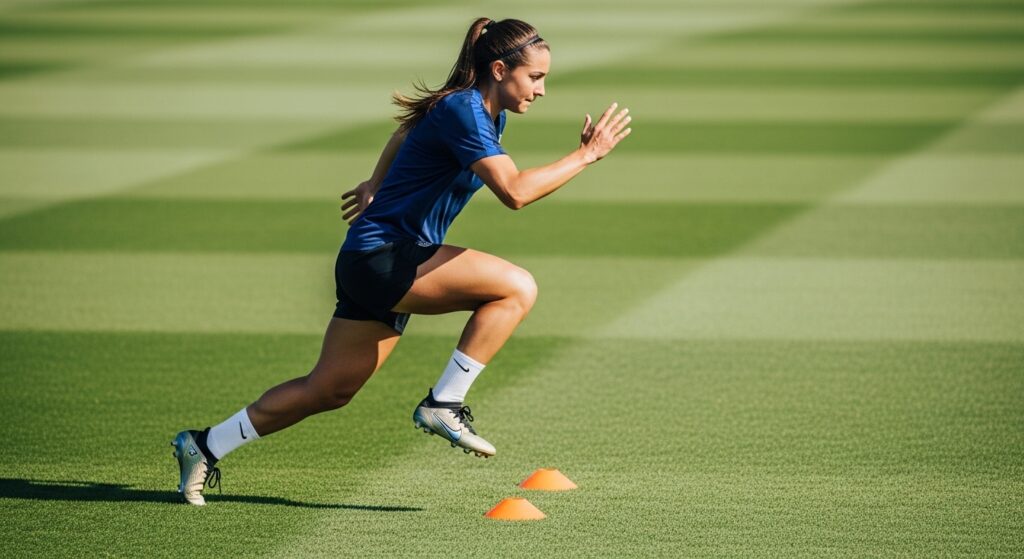
A strong ACL prevention plan should include lower-body strength, hip control, trunk stability, hamstring strength, calf capacity, balance, and landing practice. Soccer players also need deceleration and cutting work because the sport demands quick changes of direction. General fitness is helpful, but soccer-specific movement preparation matters more.
Strength training plays a major role here. Athletes need enough strength to absorb force and control movement at speed. That makes your post on strength training for injury prevention a strong internal link. Better strength does not eliminate every injury, but it gives the body more capacity to handle sport demands.
Warm-ups should train real sport movements
A good warm-up should do more than raise body temperature. It should prepare the athlete for the demands of play. That means controlled landing, single-leg balance, cutting mechanics, acceleration, deceleration, and quick reactions. Athletes should practice these skills before high-speed play, not only during competition.
Consistency matters more than complexity. A prevention routine only works when teams actually use it. Short, repeatable warm-ups that coaches can apply every session often work better than complicated plans that disappear after one week.
Return-to-play should not be rushed
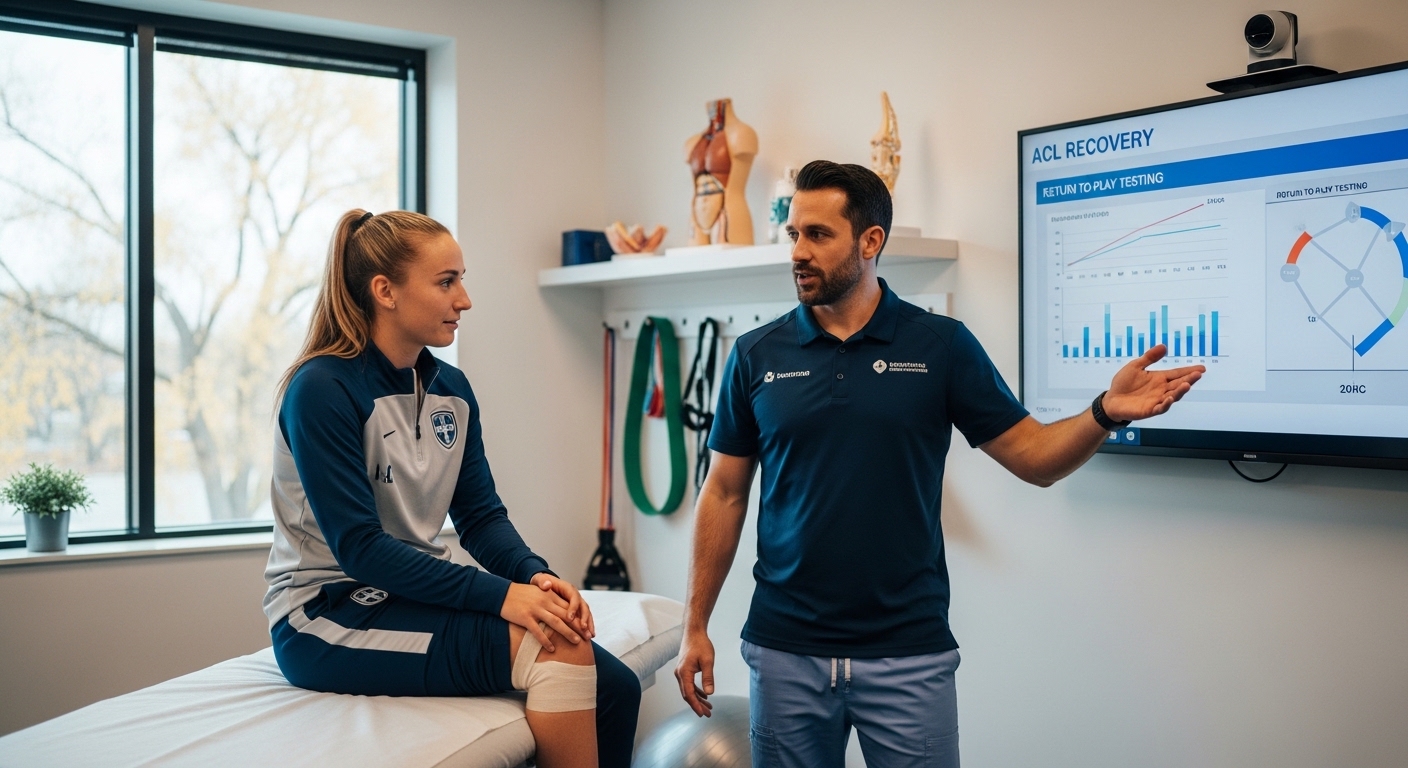
After an ACL injury, returning too soon can increase the risk of another setback. Recovery should include strength testing, movement testing, confidence building, gradual running, sport-specific drills, and medical clearance. Time alone is not enough. An athlete may be several months post-surgery but still not ready for full-speed play.
This point connects well with your existing recovery articles, including Sports Injury Recovery Expert Tips and The Best Exercises for Safe Recovery After a Sports Injury. Recovery should build capacity step by step, not just chase the fastest possible return.
What athletes can do right now
Players do not need to wait for a major research project to start making smarter choices. They can begin with simple steps. Build strength consistently. Respect recovery. Speak up about knee pain, instability, or fatigue. Ask coaches about prevention warm-ups. Avoid sudden jumps in training volume. Treat sleep and nutrition as part of injury prevention, not optional extras.
Athletes should also take recurring pain seriously. For example, lower-leg and tendon issues can signal that training load is too high or recovery is too low. Your article on Achilles tendon pain in runners and court sports supports the same principle: early action usually beats waiting until a minor problem becomes a major injury.
The bottom line is clear. ACL injuries in women’s soccer are not just a player problem. They are a training, workload, recovery, research, and support problem. Project ACL is important because it recognizes that bigger picture. It also gives athletes, coaches, parents, and sports medicine teams a better way to think about prevention.
No program can prevent every ACL tear. Soccer will always involve speed, contact, fatigue, and unpredictable movements. Still, better preparation can reduce risk. Stronger systems can protect players better. Smarter recovery can help athletes return with more confidence. That is the real promise of the 2026 ACL prevention conversation.
For outside reading, you can link to the Reuters report on the NWSL joining Project ACL and the FIFA ACL injury-prevention resource.