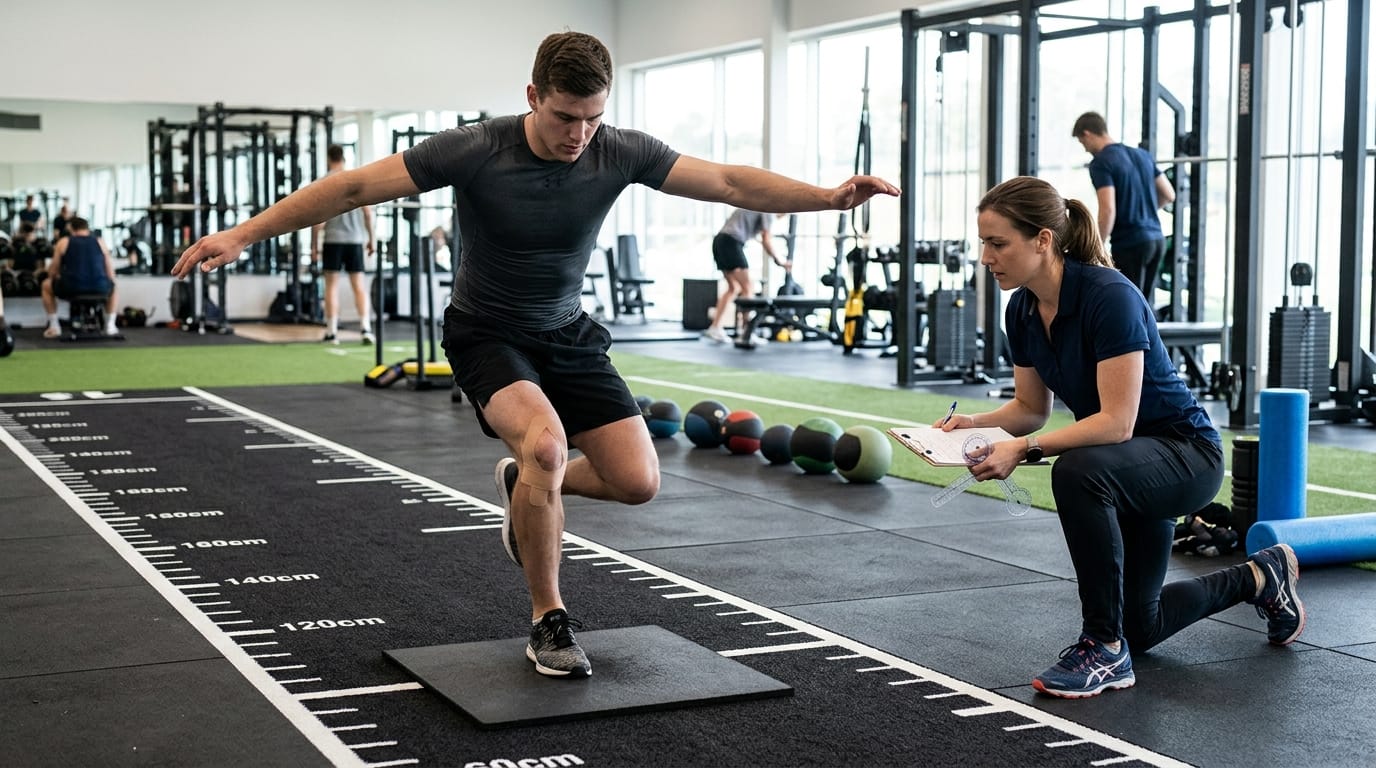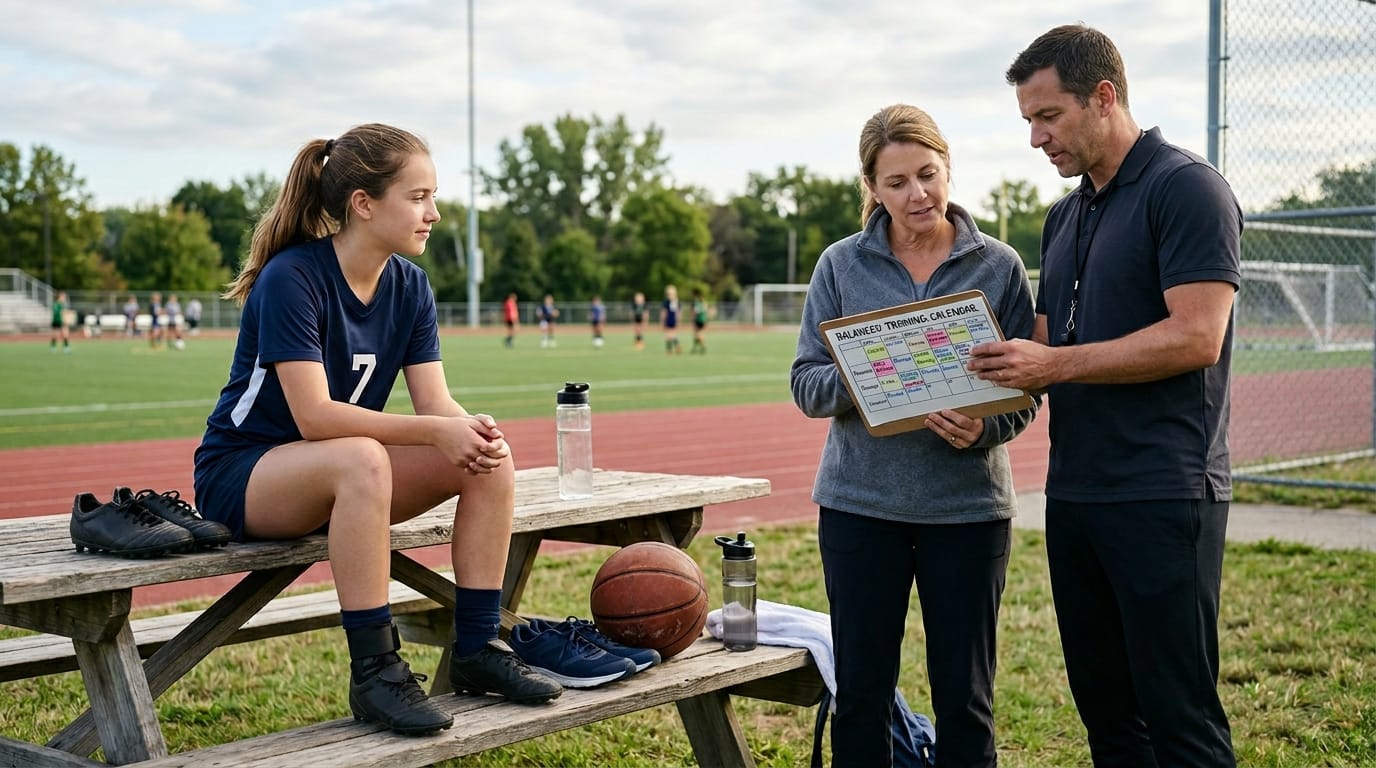

Achilles tendon pain in runners and court sports in 2026 is one of the most useful injury-prevention topics to publish right now. It fits exactly where Sports-Injuries.com already has momentum: overuse problems, recovery, prevention, and the gap between “just soreness” and an injury that keeps coming back. It also speaks to two high-interest groups at once. First, it helps runners who quietly build tendon irritation over time. Second, it helps court-sport athletes, especially pickleball, tennis, basketball, and soccer players, who load the Achilles with repeated push-off, stopping, and sudden direction changes.
The tricky part is that Achilles problems often start small. Many athletes do not remember one dramatic moment when the tendon became irritated. Instead, they notice morning stiffness, soreness during the first few minutes of activity, or a nagging ache after training that keeps returning. Because the pain often feels manageable at first, people keep going. That is exactly how a short recovery window can turn into a frustrating cycle.
This topic also fits your existing site structure naturally. It links well to your posts on How Wearable Tech Can Prevent — or Trigger — Sports Injuries, Youth Sports Overuse Injuries in 2026, ACL Injury Prevention for Female Athletes, Sports Injury Recovery: Expert Tips for a Faster Healing Process, The Best Exercises for Safe Recovery After a Sports Injury, and Pickleball Injuries: Common Causes, Prevention Tips, and When to See a Doctor.
Why Achilles Tendon Pain Is Getting More Attention in 2026
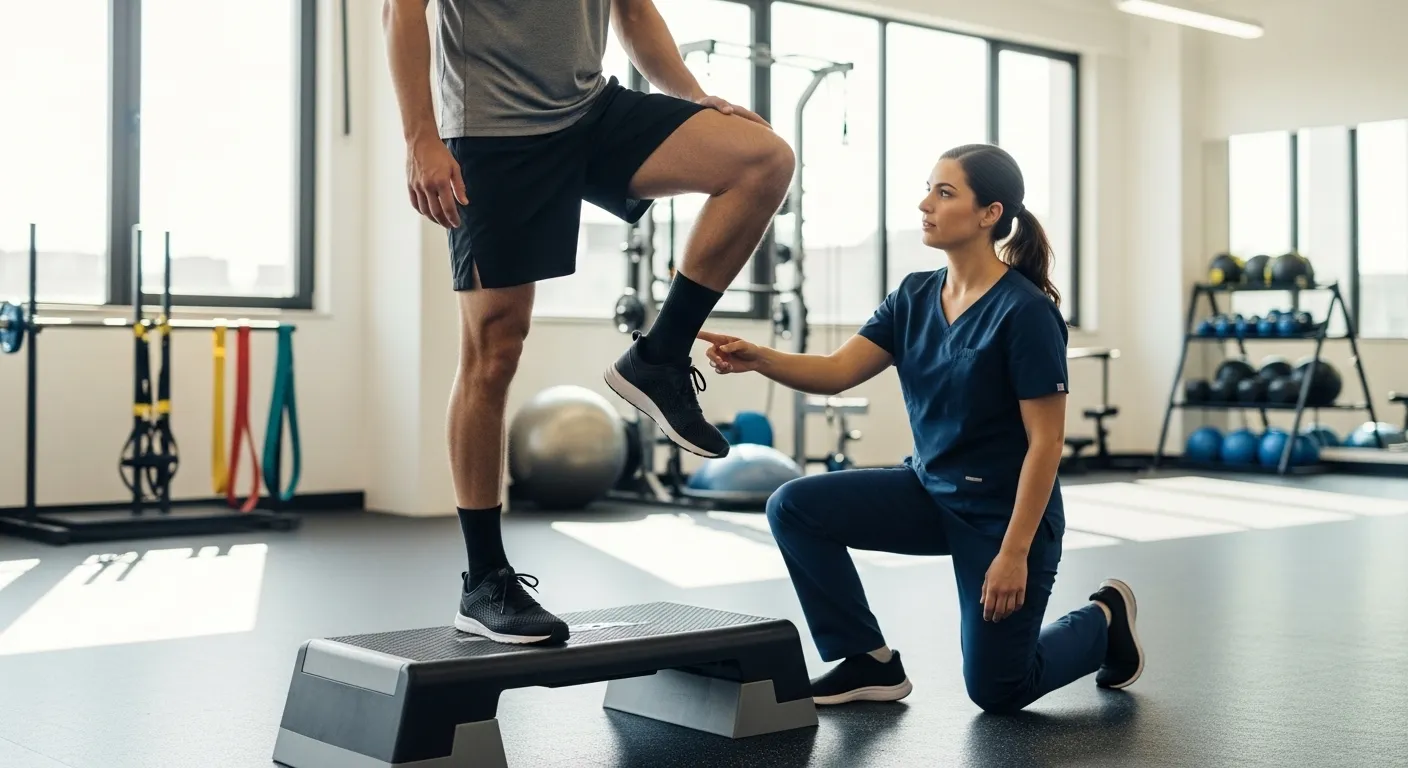
Achilles tendon pain in runners and court sports in 2026 is getting more attention because more adults are training hard without always building tendon capacity first. Some athletes are adding more mileage. Others are jumping into court sports several times per week. Many are also using wearables and training apps, which can help, but can also create a “more is better” mindset when recovery and soreness are ignored. The Achilles tendon is strong, but it still reacts to repeated load. If that load rises faster than the tendon can adapt, pain often follows.
Why This Problem Is Easy to Miss Early
Unlike a sprain or a collision injury, Achilles pain usually develops gradually. That makes it easy to explain away. Athletes tell themselves it is only calf tightness, a shoe issue, or a normal reaction to hard training. Sometimes they stretch harder, train through it, and hope it disappears. That approach often backfires because the tendon is still being asked to handle the same stress pattern that caused the problem in the first place.
Morning stiffness and pain at push-off are common early clues
One of the most common early signs is stiffness in the morning or after sitting for a while. Another is pain during push-off when running, sprinting, or changing direction. Some athletes feel better after warming up, which tricks them into thinking the issue is gone. Then the soreness returns later that day or the next morning. That pattern matters. If discomfort keeps returning in the same area, especially above the heel or at the back of the ankle, it deserves attention early instead of months later.
Why “too much, too soon” keeps showing up
The phrase “too much, too soon” still explains a lot of Achilles issues. A spike in weekly mileage, more hill work, more speed sessions, extra pickleball games, or a fast jump from casual activity to intense play can all overload the tendon. The same problem shows up in youth sports too. That is one reason your article on youth sports overuse injuries works well here. Tendons do not care whether the overload comes from adult running plans or packed youth calendars. They react to repeated stress and limited recovery.
Why Runners and Court-Sport Athletes Are Especially Exposed
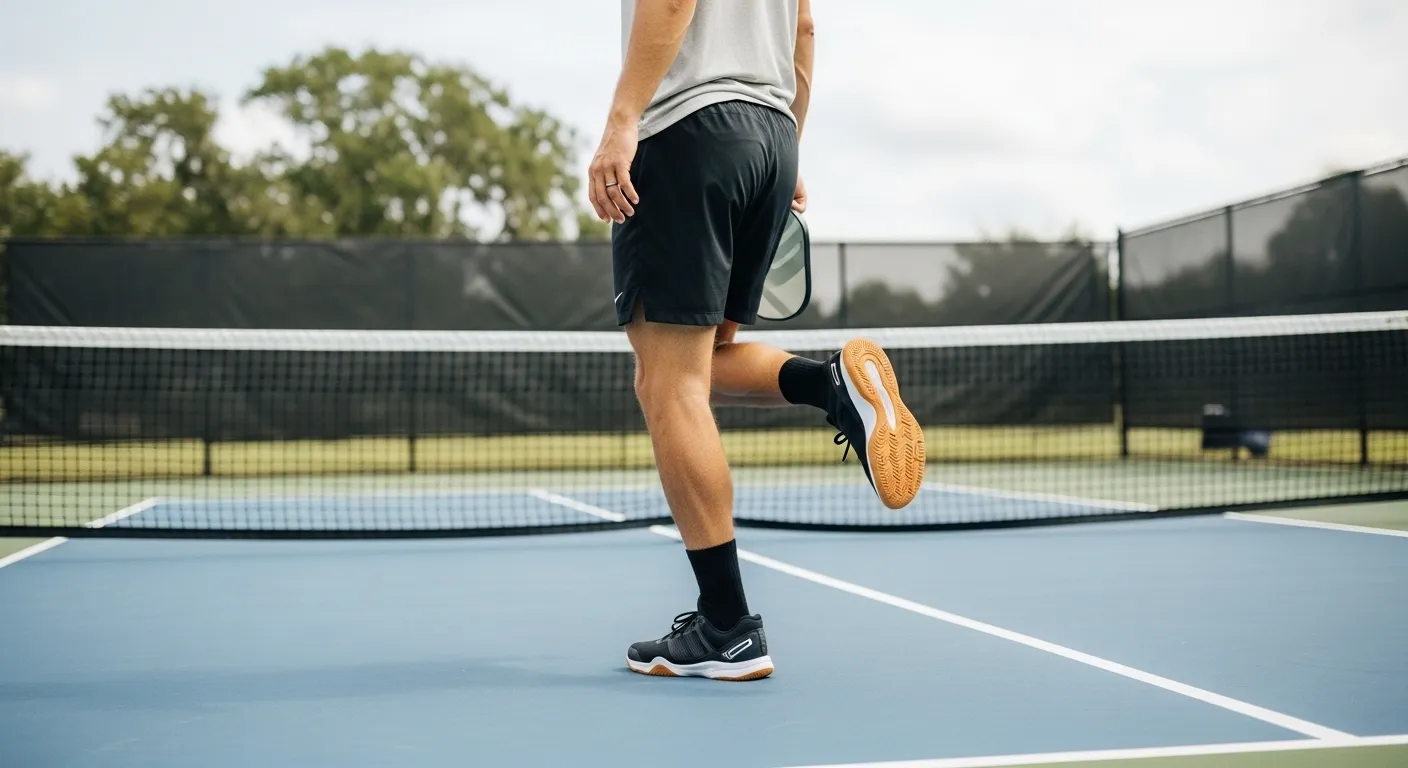
Runners irritate the Achilles with repeated elastic loading, especially when speed, hills, or abrupt training increases enter the picture. Court-sport athletes load it differently but just as aggressively. Quick starts, lunges, deceleration, and sudden push-off place heavy demand on the calf-Achilles unit. That is why Achilles tendon pain in runners and court sports in 2026 is such a practical topic for your audience. A runner may develop a slow-burn tendon problem. A court-sport athlete may first notice stiffness, then feel a sharper flare when pushing off hard.
Movement quality matters too. Athletes who lose control late in sessions, return from time off too aggressively, or rely on the Achilles to make up for weak calf, hip, or landing mechanics often stay stuck in the same cycle. Your ACL prevention article fits here because better landing, deceleration, and lower-body control do not only protect knees. They also reduce unnecessary stress on the tissues below the knee. Likewise, your wearable-tech article adds a useful angle because training metrics can help athletes spot overload patterns, but they cannot replace pain awareness or smart decision-making.
What to Do Before Achilles Pain Turns Into a Longer Layoff
The good news is that early Achilles pain does not automatically mean a rupture or a season-ending injury. However, it does mean you should stop pretending it is random. The goal is not to shut everything down in panic. The goal is to respond before the tendon becomes more irritable and harder to calm down. That is where smarter load decisions matter most.
Start With Load Changes, Not Full Shutdown
For many non-acute cases, the smarter first step is to adjust load instead of disappearing from movement completely. That usually means dialing back the sessions that irritate the tendon most while keeping some form of activity that does not worsen symptoms. Athletes often make two opposite mistakes. They either ignore the pain and keep training as usual, or they stop everything for a while and then jump back in too fast. Both choices can drag the process out.
What to dial down first
If Achilles tendon pain in runners and court sports in 2026 is building, the first things to review are the highest-load inputs:
- speed work or sprint sessions
- hill repeats or steep inclines
- extra matches or games added suddenly
- back-to-back high-impact days
- abrupt shoe changes or low-support footwear
This is also where your recovery cluster becomes useful. Athletes can move naturally from this article into Sports Injury Recovery: Expert Tips for a Faster Healing Process and The Best Exercises for Safe Recovery After a Sports Injury. Those posts reinforce the bigger message: recovery is not passive waiting. It is a guided rebuild of strength, tolerance, and confidence.
When to get assessed instead of guessing
Athletes should stop guessing and get evaluated when pain is worsening, affecting normal walking, causing limping, or not improving after a smart training adjustment. A pop, sudden weakness, bruising, or a feeling that the calf or heel gave way needs prompt medical attention. That is also true if the pain keeps returning every time training ramps back up. Your internal guide on when to see a doctor for sports injuries fits perfectly here because it helps readers separate a manageable ache from a clear warning sign.
How to Lower Future Risk
Preventing repeat flare-ups usually comes down to the basics done well. Progress training gradually. Build calf strength on purpose. Warm up before explosive sessions. Pay attention to recurring stiffness instead of treating it like background noise. These habits matter for runners, but they matter just as much for court-sport athletes who keep asking the tendon to absorb force and release it quickly.
In the end, Achilles tendon pain in runners and court sports in 2026 is a timely topic because it sits at the center of modern training mistakes: too much load, not enough preparation, and too little respect for early warning signs. If a runner or court-sport athlete addresses the pattern early, they usually have a much better chance of staying active than if they wait for a bigger setback.
For an external authority link, use the AAOS Achilles Tendinitis guide. It is a strong reference for symptoms, common triggers, and when professional evaluation makes sense.
Medical note: This article is for education only and is not personal medical advice. Persistent Achilles pain, sudden weakness, swelling, limping, or a popping sensation should be evaluated by a qualified healthcare professional.