
Youth baseball UCL injuries are becoming one of the most important sports injury topics in 2026. Young pitchers are throwing harder, training earlier, joining travel teams, attending showcases, and using technology that tracks velocity, spin, mechanics, and workload. That can help athletes develop. It can also create pressure to chase numbers before the arm is ready.
The ulnar collateral ligament, often called the UCL, helps stabilize the inside of the elbow during throwing. When a pitcher repeatedly throws at high effort without enough recovery, the ligament can become irritated, strained, or torn. In serious cases, athletes may need ulnar collateral ligament reconstruction, commonly known as Tommy John surgery.
The scary part is that many throwing injuries do not begin with one dramatic pitch. They often build slowly. A young athlete may feel tightness, soreness, loss of command, reduced velocity, or elbow discomfort after games. If adults ignore those early signs, a manageable problem can turn into a season-ending injury.
Youth baseball UCL injuries should not be treated as the price of success. Velocity matters, but health matters more. A strong arm is not only an arm that throws hard. It is an arm that can recover, repeat good mechanics, and stay available through a full season and beyond.
Why Youth Baseball UCL Injuries Are Getting More Attention
Youth baseball UCL injuries are getting more attention because the modern development system rewards speed. Radar gun readings now influence recruiting, social media attention, travel team placement, and confidence. Some athletes feel they must throw harder every month to keep up. That mindset can push young pitchers toward too many high-effort throws too soon.
Sports-Injuries.com already covers the bigger issue of youth sports overuse injuries. Baseball fits that pattern clearly. Repeated throwing, limited rest, year-round schedules, and pressure to specialize can overload growing bodies. The elbow and shoulder often take the hit because pitching creates intense stress with every throw.
This does not mean velocity training is automatically bad. Done well, a strength and throwing program can help athletes move better, build capacity, and improve performance. The problem starts when players chase maximum effort before they build the strength, mechanics, recovery habits, and workload limits needed to support it.
The velocity culture is changing youth pitching
Baseball development has changed. Many young athletes now train with tools that previous generations never used. They may track pitch speed, spin rate, arm slot, release point, and movement quality. Coaches can use those numbers to guide better training. However, numbers can also become a trap when athletes start treating every bullpen, showcase, or warm-up as a test.
A teenager does not need to throw at maximum intensity every time someone is watching. High-effort throwing creates high stress. If every session becomes a chance to prove velocity, the arm may never get a true low-stress day. That is a serious issue because tissues adapt during recovery, not during constant overload.
Parents and coaches should pay attention to what the athlete is chasing. Is the goal long-term development, or is every decision built around the next radar reading? A good program builds the whole athlete. It includes rest, movement quality, strength, throwing progression, sleep, nutrition, and honest communication about pain.
Pitch counts matter, but they are not the whole answer

Pitch counts give teams a practical way to limit workload. They help adults stop guessing and start tracking. MLB Pitch Smart explains that leagues, travel teams, showcases, and tournaments should use workload limits, and it notes that pitch counts are an effective way to reduce pitching with fatigue.
Still, pitch counts do not tell the full story. A young pitcher may throw 60 stressful pitches in a game, then play shortstop, throw hard across the diamond, practice the next day, and attend a weekend showcase. Those extra throws count too, even if they do not appear in the official game pitch total.
Good arm care looks at total throwing load. That includes bullpens, warm-ups, long toss, showcases, private lessons, fielding throws, multiple teams, and games in the same week. If adults only count game pitches, they may miss the larger workload that pushes the arm into danger.
Fatigue should change the plan immediately
Fatigue is one of the clearest warning signs in youth pitching. A tired athlete may drop the elbow, lose command, change mechanics, slow down between pitches, shake the arm, or complain of tightness. Some players will not admit pain because they fear losing playing time. Adults need to watch body language, not just listen for complaints.
If mechanics break down, the plan should change. Pulling a pitcher before the limit is not weakness. It is prevention. Waiting until pain becomes obvious is too late. Safer coaching means acting when the athlete’s movement quality, command, or recovery starts to decline.
Warning signs parents and coaches should take seriously
Young athletes often minimize symptoms. They may say the elbow is “just tight” or the shoulder “needs to warm up.” Sometimes that is true. Other times, those phrases signal that the arm is struggling. Pain on the inside of the elbow, soreness that lasts after throwing, reduced velocity, loss of accuracy, tingling, swelling, or pain during daily activities should never be ignored.
Recurring discomfort matters even if the athlete can still throw. Many overuse problems become serious because players keep going while symptoms are still mild. That pattern also applies across sports. Your article on how to recognize early signs of sports injuries supports the same principle: early action usually protects athletes better than waiting for a major breakdown.
Parents should also watch for behavior changes. A pitcher who avoids throwing, stops enjoying practice, hides the arm after games, or becomes anxious about performance may be dealing with more than normal soreness. Mental pressure and physical overload often travel together.
What to reduce first when elbow soreness appears
If elbow soreness appears, reduce the highest-stress throwing first. That usually means stopping pitching, high-effort long toss, velocity sessions, showcases, and extra bullpens until the athlete gets evaluated. Light throwing may still bother some athletes, so do not assume “easy toss” is always safe.
Coaches should also review the schedule. Did the athlete recently increase pitch volume, join another team, attend a tournament, change mechanics, add weighted balls, or start a new velocity program? Sudden changes often explain why symptoms appear. The body can adapt to training, but it needs gradual progression.
Do not use pain relievers to hide symptoms so a young athlete can keep pitching. That approach may allow more damage to build. Pain gives useful information. Covering it up to finish a tournament can cost far more than sitting out one weekend.
How to Build a Safer Arm Care Plan in 2026
A safer arm care plan starts with a simple idea: young pitchers need development, not constant exposure. The goal is to help them throw well for years, not squeeze every possible inning out of one season. That requires adults to make decisions based on long-term health instead of short-term wins.
Start with pitch count rules and required rest. Use an official resource such as MLB Pitch Smart pitching guidelines as a reference point. Then go beyond the chart. Track bullpens, showcase throws, long toss, and fielding volume. If a player belongs to more than one team, parents should communicate with every coach so no one accidentally overloads the athlete.
Next, build strength and mobility around the whole body. The elbow should not carry the entire burden of pitching. Legs, hips, trunk, shoulder blades, and rotator cuff all help transfer force. A weak or poorly controlled body can push more stress into the arm.
Strength, recovery, and communication protect the arm

Strength training can help young athletes build the capacity to handle sport demands. The plan does not need to look like an adult bodybuilding routine. It should match age, maturity, experience, and coaching support. Good priorities include single-leg control, hip strength, trunk stability, shoulder blade control, rotator cuff endurance, and gradual throwing progression.
Your guide on strength training for injury prevention fits naturally here because pitching injuries are rarely only about the elbow. Better strength and control can help the athlete absorb force, maintain mechanics, and reduce overload patterns during fatigue.
Recovery also needs structure. Young pitchers should have throwing-free periods, true rest days, sleep routines, and time away from competitive pitching during the year. Playing other sports can help develop general athleticism and reduce repetitive throwing stress. Specializing too early may create short-term progress, but it can also narrow movement skills and increase overuse risk.
Technology can support this process when athletes use it wisely. Wearables and tracking tools may help monitor workload, recovery, and trends, but they should not replace common sense. Your article on wearable tech for sports injury prevention explains why athletes should focus on useful data instead of chasing every number.
When to see a doctor for throwing arm pain
A young pitcher should see a medical professional if elbow pain continues, worsens, returns after rest, affects throwing mechanics, reduces velocity, causes numbness or tingling, or appears with swelling or loss of motion. Athletes should also get evaluated if they feel a pop, sharp pain, or sudden loss of throwing ability.
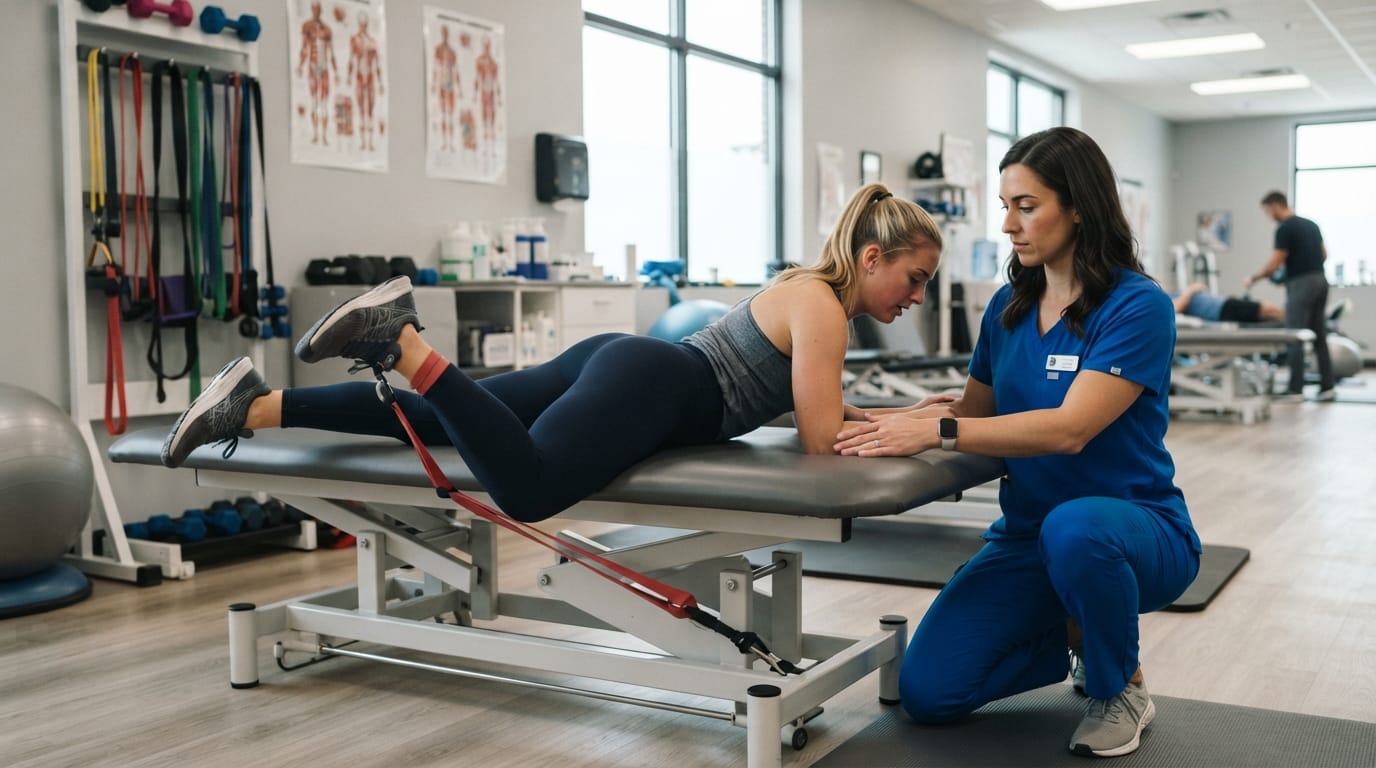
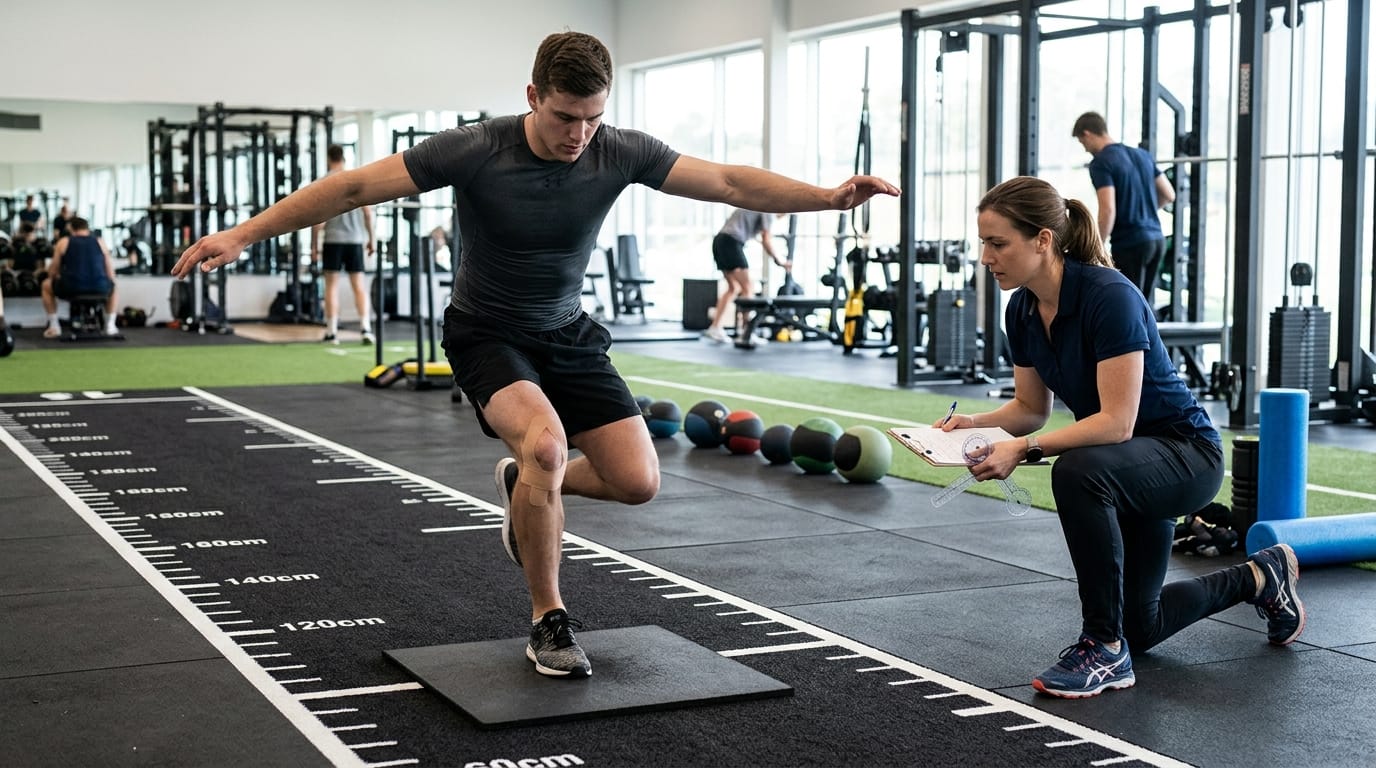
Parents should not wait for a complete shutdown before asking for help. A sports medicine clinician, physical therapist, or qualified medical provider can assess the elbow, shoulder, mechanics, strength, and recovery history. Early evaluation may prevent a small issue from becoming a surgical problem.
For broader warning signs, readers can also review when to see a doctor for sports injuries. That article can help athletes and parents separate normal soreness from symptoms that deserve medical attention.
Youth baseball UCL injuries will remain a major concern as long as young athletes chase harder throws without enough rest. The solution is not fear. It is better planning. Track workload. Respect fatigue. Build the whole body. Give pitchers real rest. Treat pain honestly. Keep adults communicating across teams, lessons, showcases, and seasons.
The bottom line is direct: a healthy pitcher has more value than a tired pitcher with one impressive radar reading. Velocity can open doors, but durability keeps athletes on the field. In 2026, safer arm care should be part of every baseball development plan, not an afterthought after pain begins.
Disclaimer: This article is for general educational purposes only and is not medical advice. If a young athlete has elbow pain, shoulder pain, numbness, swelling, loss of motion, sudden weakness, or worsening symptoms after throwing, consult a qualified medical professional.