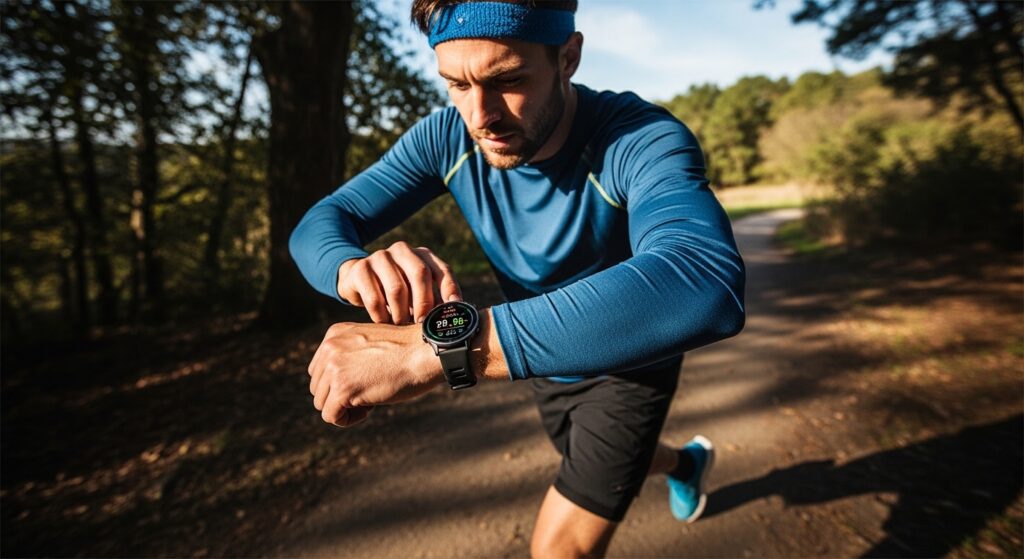
Wearable technology has become part of everyday training. From smartwatches to performance bands, athletes now have access to more data than ever before. Heart rate, sleep scores, recovery metrics, training load, pace, distance, and movement patterns are all available at a glance. In 2026, the real challenge is no longer access to information. The challenge is knowing what actually helps reduce injury risk.
Wearable tech for sports injury prevention is growing quickly because athletes want to train smarter, not just harder. Data promises control, but too much data can also create confusion. Some metrics can help athletes spot fatigue, overtraining, and poor recovery patterns. Other numbers look impressive but do not always guide better decisions.
This is where many athletes get stuck. They buy a device, track everything, and then feel unsure what to do with the information. A low recovery score can create anxiety. A high readiness score can encourage overconfidence. A sudden pace drop can feel frustrating, even when the body is simply asking for rest.
The goal is not to let a watch control your training. The goal is to use wearable data as one helpful layer. When combined with good coaching, strength work, recovery habits, and body awareness, wearable tech can support smarter injury prevention.
More data does not always mean better decisions

Wearables give athletes constant feedback. That sounds helpful, but it can become overwhelming. Many athletes check their watch after every session and try to adjust training based on small changes in numbers. That approach often leads to overthinking rather than better performance.
The key is understanding that data should support training, not control it completely. Metrics are tools, not final answers. They help identify patterns, but they do not know your full context. A device does not always understand work stress, poor nutrition, emotional strain, illness, travel, or soreness that you have not logged.
The shift from performance tracking to injury prevention
In the past, wearables focused mainly on performance. Athletes tracked pace, distance, calories burned, and workout time. Those numbers still matter, but they only tell part of the story. In 2026, more athletes are using wearables to understand recovery and injury risk.
This shift is important because many injuries build slowly. Overuse injuries, tendon pain, stress reactions, and muscle strains often come from repeated load that the body cannot fully recover from. Wearables can help detect some of these patterns earlier. They may show rising training load, lower recovery, poor sleep, or reduced readiness before pain becomes obvious.
This connects well with your article on youth sports overuse injuries in 2026. Young athletes, in particular, often need better load management because they may play for school teams, club teams, private trainers, and tournaments all at once.
Why athletes trust wearable data
Wearable data feels objective. It gives athletes numbers that seem more reliable than personal judgment. That can be helpful, especially for people who struggle to gauge effort or recovery. A runner may think an easy run felt normal, but the heart rate data may show unusual strain. A basketball player may feel ready to train, but poor sleep and reduced HRV may suggest the body needs a lighter day.
Still, numbers can mislead when athletes take them out of context. A low recovery score does not always mean you should skip training. A high readiness score does not guarantee you are injury-proof. Smart athletes combine data with how they feel, what they have done recently, and what their training plan requires.
What actually helps reduce injury risk
Not all metrics are equal. Some provide useful insight into injury risk. Others offer limited practical value. Athletes should focus on the numbers that help them manage load, recovery, and readiness over time.
Training load and workload balance
Training load is one of the most important factors in injury prevention. Sudden increases in intensity, volume, or frequency can raise injury risk. Wearables help track this by measuring effort over time.
The most useful pattern to watch is not one hard workout. It is the spike. If an athlete suddenly doubles weekly mileage, adds extra games, increases gym intensity, or returns too quickly after time off, the body may not adapt fast enough. That is when small aches can turn into bigger problems.
This matters across many sports. Runners may develop Achilles pain when mileage or speed work rises too quickly. Court-sport athletes may notice knee or ankle soreness after a tournament weekend. Field athletes may struggle after too many high-speed sessions in one week. Your article on Achilles tendon pain in runners and court sports is a strong internal link here because it shows why early load mistakes deserve attention.
Heart rate variability and recovery trends
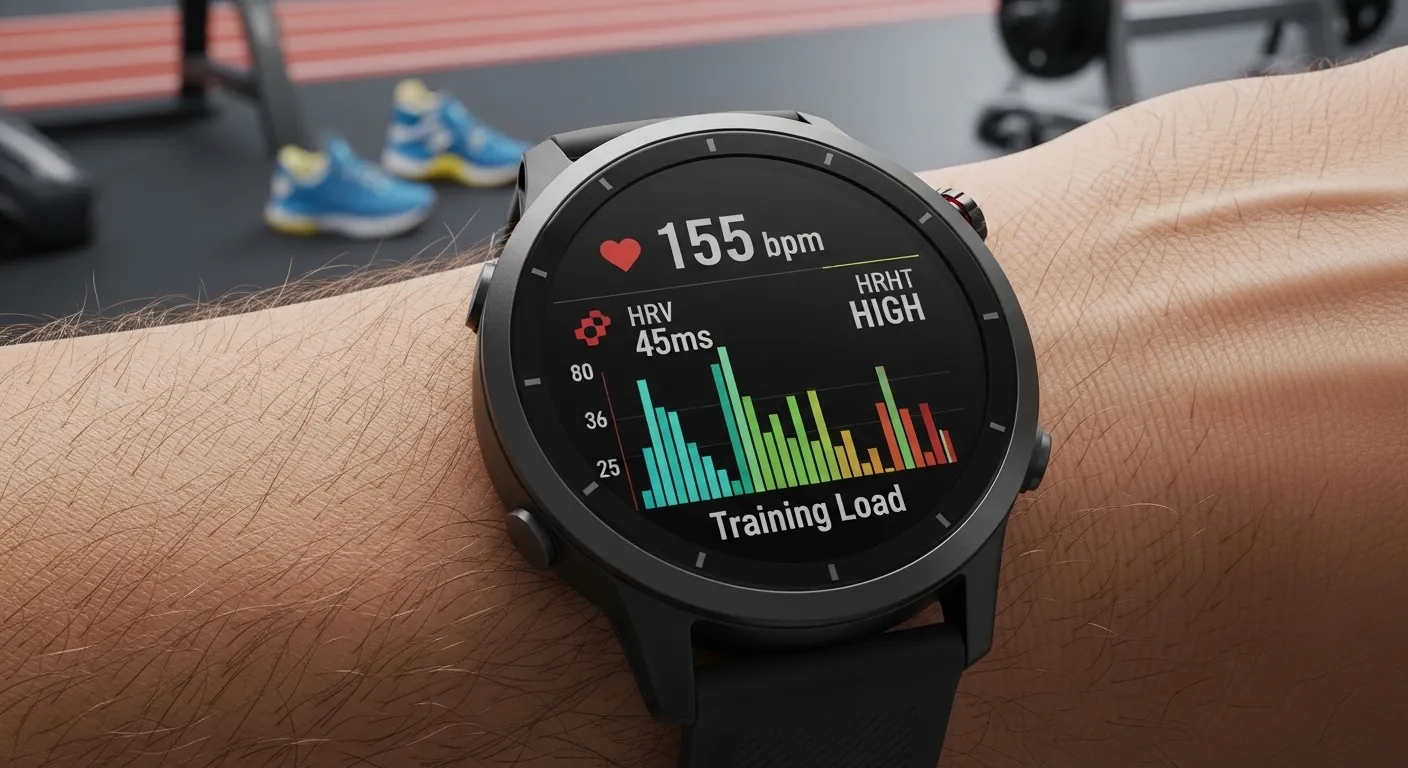
Heart rate variability, often called HRV, measures how the nervous system responds to stress. Lower HRV can suggest fatigue, illness, stress, or poor recovery. Higher HRV often reflects better recovery and readiness.
HRV works best when athletes track trends over time. One low reading is not a crisis. A consistent downward trend may signal that the body is under more stress than usual. That trend becomes even more useful when it appears alongside poor sleep, heavy training, elevated resting heart rate, or unusual soreness.
For injury prevention, HRV is not about chasing the highest number. It is about noticing when the body may need an easier session, extra recovery, or a change in workload. Athletes who use HRV this way often make better training choices than those who react emotionally to every daily score.
What Athletes Should Ignore or Use Carefully
Over-reliance on daily readiness scores
Many wearables provide a daily readiness or recovery score. These scores combine several data points into one simple number. That can be convenient, but it can also oversimplify complex processes.
An athlete should avoid making major training decisions based only on one score. Instead, the score should start a question. Why is readiness lower today? Did you sleep poorly? Did you train hard yesterday? Are you getting sick? Are you stressed? The answer matters more than the number itself.
Sleep scores without context
Sleep tracking is useful, but it is not perfect. Devices estimate sleep stages and quality, but they cannot capture every factor that affects recovery. They may miss restlessness, stress, pain, or how refreshed you actually feel.
Still, sleep trends matter. Consistently poor sleep can reduce reaction time, coordination, strength, mood, and tissue recovery. Those changes can raise injury risk, especially during demanding training blocks. Athletes should use sleep data as a guide, not as a judgment.
A useful approach is simple. If sleep has been poor for several nights, reduce unnecessary intensity. Focus on recovery, hydration, mobility, and easier movement. One bad night does not ruin training. A pattern of bad nights should change the plan.
Calories and generic activity goals
Calorie tracking and generic activity goals can distract from injury prevention. These metrics focus more on output than recovery, strength, or load balance. An athlete may hit a calorie target and still train poorly. Another athlete may miss a step goal but recover well and perform better the next day.
For injury prevention, athletes should care more about training quality than arbitrary activity numbers. A recovery day should not feel like failure just because the watch says you moved less. Rest can be part of progress. In fact, recovery is often the missing piece for athletes who keep getting hurt.
How to use wearable tech the right way
The best approach is simple. Use wearable data to guide decisions, not control them. Combine metrics with personal awareness and structured training plans. The watch can show patterns, but the athlete still needs to think.
Look for trends, not daily fluctuations
Patterns over weeks are more useful than single-day changes. Athletes should track trends in HRV, resting heart rate, training load, sleep, and soreness. These patterns reveal whether the body is adapting or struggling.
For example, one high training-load day may be fine if recovery follows. A problem appears when high load keeps stacking on poor sleep, rising soreness, and low energy. That combination should trigger a smarter plan. It may mean replacing a hard session with mobility, strength technique, easy cardio, or full rest.
Combine data with strength and recovery work
Wearables are most effective when athletes also follow solid training habits. Strength training, proper warm-ups, gradual progression, and recovery routines all play a major role in injury prevention. That is why your post on strength training for injury prevention is a key internal resource.
Recovery should also stay high on the priority list. Athletes who ignore recovery while focusing only on performance often increase injury risk. Your guide on sports injury recovery expert tips supports this same balance.
The bottom line is simple. Wearable tech for sports injury prevention is valuable when athletes use it correctly. It can help track load, monitor recovery, and spot risk patterns early. At the same time, it should not replace coaching, common sense, medical advice, or body awareness.
In 2026, the smartest athletes are not the ones with the most data. They are the ones who understand which data matters, which numbers to ignore, and when to adjust before pain becomes an injury. That is how wearable tech becomes more than a gadget. It becomes part of a smarter, safer training system.
For additional guidance, athletes can review resources from the American College of Sports Medicine, which emphasizes balanced training, recovery, and safe progression for long-term athletic health.