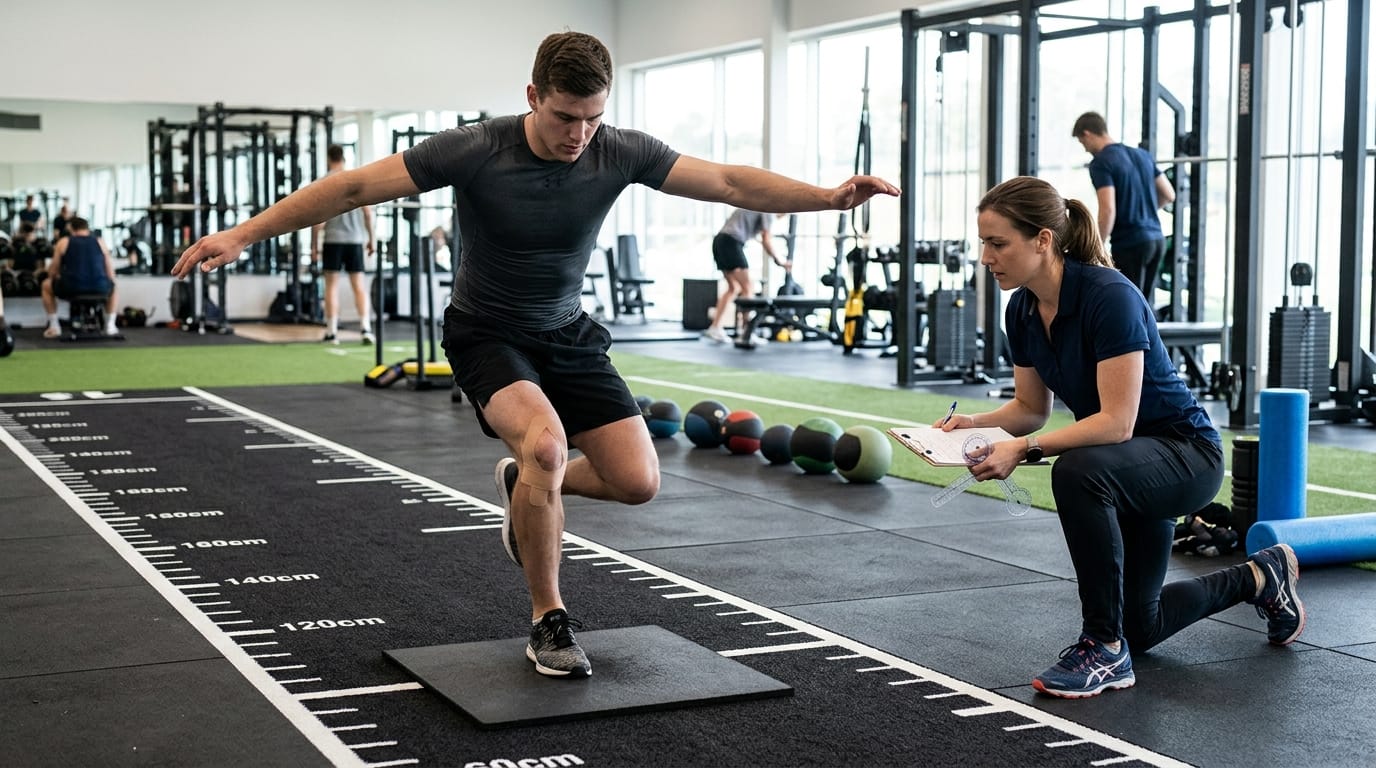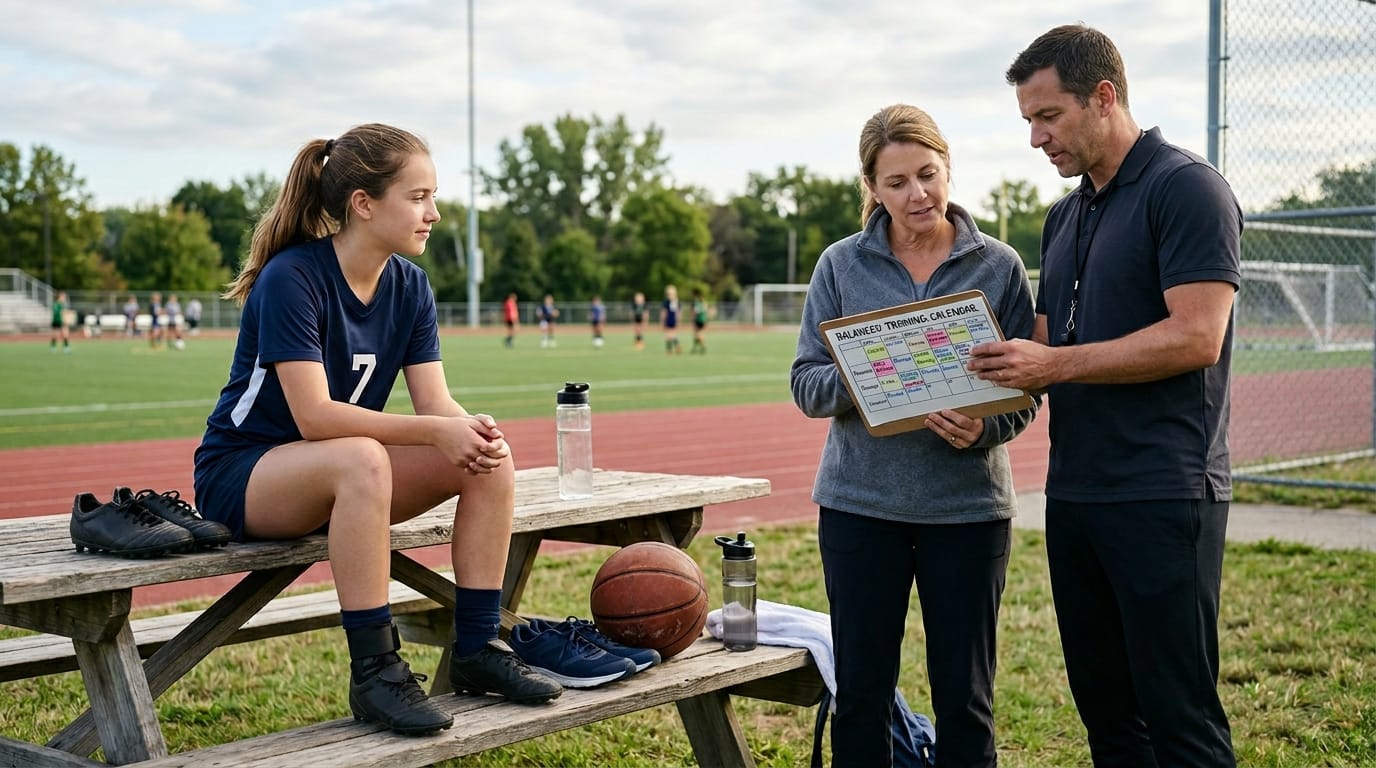
Youth sports specialization injuries 2026 are becoming a major concern for parents, coaches, trainers, and young athletes. More kids now play one sport year-round, join travel teams, attend private lessons, and compete across long seasons with fewer true breaks. While commitment can build skill, too much repetitive training can quietly raise the risk of overuse injuries, burnout, and long-term frustration.
Young athletes are not just smaller adults. Their bones, joints, tendons, muscles, and growth plates are still developing. That matters because the same movement repeated hundreds or thousands of times can overload tissues before a child understands the warning signs. A sore knee, aching elbow, painful heel, or tight shoulder may start as a small complaint. If the athlete keeps pushing, that small problem can become a real injury.
The goal is not to scare families away from sports. Sports can build confidence, discipline, friendships, fitness, and resilience. However, the current youth sports culture often rewards more practices, more tournaments, more exposure, and less rest. That approach can backfire.
This guide explains why youth sports specialization injuries 2026 deserve attention, how overuse problems develop, and what parents can do to protect young athletes without taking away their love of the game.
Why Youth Sports Specialization Injuries Are Rising
Early specialization usually means focusing on one sport for most of the year, often while limiting other sports and free play. Some families choose this because they hope it will improve performance, secure a roster spot, or create scholarship opportunities. However, more training does not always mean better development.
When young athletes repeat the same movements all year, the body does not get enough variety. A baseball pitcher may stress the same shoulder and elbow. A soccer player may overload the same hips, knees, and ankles. A gymnast may place repeated force through wrists, backs, and growth plates. A runner may build mileage faster than bones and tendons can tolerate.
This topic connects with Sports Injuries’ guide on sports injury recovery tips. Recovery is not only something athletes need after an injury. It is also something young bodies need during training to adapt safely.
Overuse Injuries Build Slowly
Overuse injuries rarely happen from one dramatic play. Instead, they build from repeated stress without enough recovery. That is why parents and coaches sometimes miss the early signs. The athlete may still perform well, smile at practice, and insist they are fine.
Common warning signs include pain that lasts after practice, soreness that returns every session, swelling, limping, reduced performance, loss of range of motion, and reluctance to use one side of the body. Fatigue matters too. A tired athlete often changes mechanics, which can increase stress on joints and soft tissues.
Parents should take repeated complaints seriously. A child who keeps mentioning heel pain, knee pain, elbow soreness, or shoulder tightness is not being dramatic. They may be telling you the body needs rest, evaluation, or a smarter training plan.
Growth Plates Need Extra Protection
Growth plates are areas of developing tissue near the ends of children’s bones. They are more vulnerable than mature bone. When repeated stress targets these areas, young athletes can develop pain and injuries that adults do not experience in the same way.
This is one reason year-round pressure can be risky. A young athlete may look strong, fast, and coordinated, but the body may still be growing. Coaches and parents should avoid treating youth training like a scaled-down version of adult training.
Burnout Can Be an Injury Warning Sign Too
Burnout is not just a mood problem. It can signal that the athlete’s body and mind have carried too much load for too long. A child may lose interest, dread practice, feel anxious before games, or stop enjoying a sport they once loved.
When physical pain and emotional fatigue appear together, parents should slow down and listen. Pushing harder may not build toughness. It may push the athlete closer to quitting or getting hurt.
Why Multi-Sport Play Can Protect Young Athletes
Multi-sport participation gives young athletes different movement patterns. A child who plays soccer, swims, and plays basketball uses the body in more varied ways than a child who only repeats one sport year-round. That variety can help develop coordination, balance, strength, and overall athleticism.
Free play also matters. Backyard games, biking, climbing, and informal movement build skills without the same pressure. Kids learn creativity, body awareness, and confidence when every movement is not measured by a scoreboard or coach evaluation.
For athletes already dealing with pain, Sports Injuries’ article on safe exercises after a sports injury can help families understand why gradual strengthening and controlled movement matter during recovery.
Rest Days Help the Body Adapt
Rest days are not wasted days. They allow muscles, tendons, bones, and the nervous system to recover from training. Without rest, the body keeps absorbing stress without enough time to rebuild.
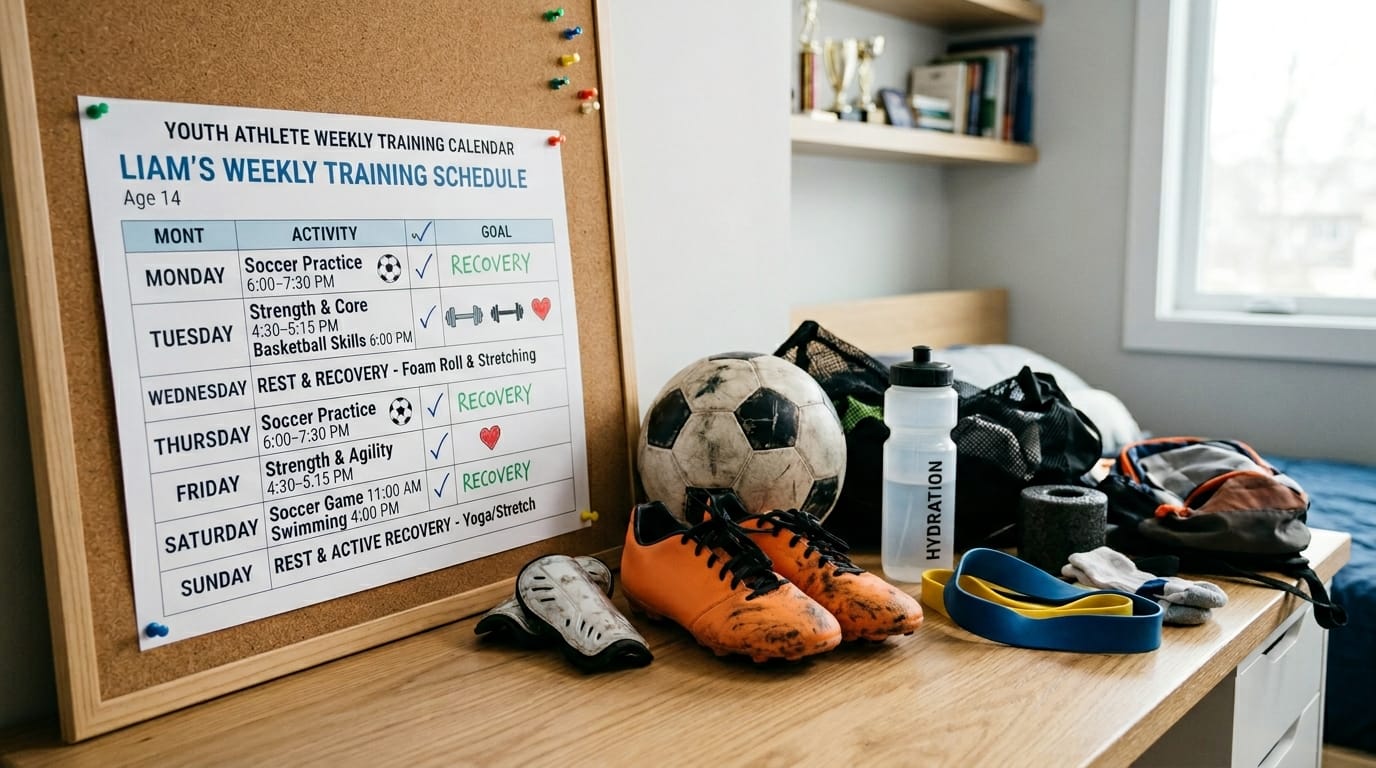
A good youth training plan should include at least one or two lower-load days each week. It should also include longer breaks during the year. These breaks do not always mean sitting on the couch. They can include light activity, mobility, walking, swimming, or unstructured play.
How Parents and Coaches Can Reduce Injury Risk
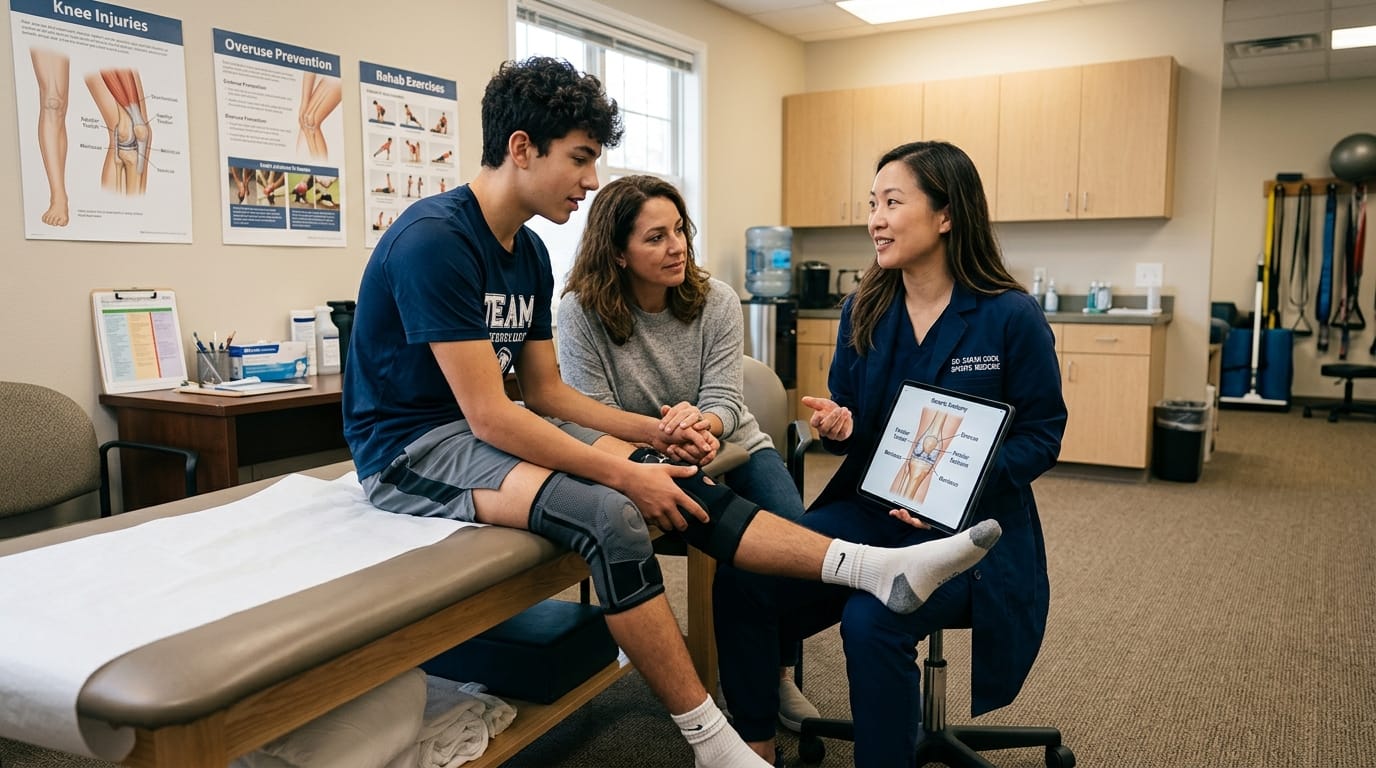
Parents and coaches can make youth sports safer by watching the whole athlete, not just performance. If a child’s speed improves but pain increases, that is not a true win. If a player makes the travel team but stops sleeping well, that matters. If a young athlete performs through pain every weekend, the schedule needs review.
Start with training load. Ask how many practices, games, lessons, tournaments, and conditioning sessions the athlete completes each week. Then compare that with sleep, school stress, growth spurts, nutrition, and recovery time. Injury risk often rises when training spikes suddenly.
Load management does not mean avoiding hard work. It means increasing work gradually. A young athlete can train seriously and still have boundaries. The healthiest athletes usually build consistency over time instead of chasing every extra session.
Build a Smarter Weekly Schedule
A balanced weekly schedule should include sport practice, strength or movement work, rest, sleep, and time away from structured competition. If a child plays one sport five or six days per week, parents should ask whether the body has enough recovery time.
Strength training can help when it matches the athlete’s age, technique, and development. Bodyweight exercises, balance work, mobility, and basic movement patterns may support injury prevention. However, young athletes should not copy adult gym programs without supervision.
Families can also use technology carefully. Sports Injuries’ guide on wearable tech for sports injury prevention explains how recovery, sleep, and training load data may help athletes spot problems early. Still, numbers should support good judgment, not replace it.
Questions Parents Should Ask Before Another Season
Before signing up for another season, parents should ask a few direct questions. How many months per year does this sport require? How many practices and games happen each week? Is there an off-season? Does the coach encourage rest when athletes report pain? Are strength and mobility included safely?
Also ask your child honest questions. Do you still enjoy this sport? Do you feel pressure to hide pain? Are you tired before practice starts? Do you want to try another activity? These answers can reveal problems before an injury forces a break.
Parents should seek medical guidance when pain lasts more than a few days, changes movement, causes swelling, wakes the athlete at night, or returns every time the sport resumes. Early evaluation can prevent a minor overuse problem from becoming a season-ending injury.
For trusted outside guidance, families can review Johns Hopkins Medicine’s resource on youth sport specialization. It explains why early specialization can increase the risk of overuse injuries, burnout, and mental health concerns.
Youth sports specialization injuries 2026 are not only a medical issue. They are a culture issue. Kids need development, challenge, competition, and joy. They also need rest, variety, and adults who notice when the schedule becomes too much.
The best youth sports plan is not the one with the most tournaments. It is the one that helps athletes grow stronger, stay healthy, enjoy movement, and keep playing for years. Rest days, multi-sport play, and smart load management are not signs of weakness. They are part of building durable young athletes.