ACL return-to-sport testing in 2026 is becoming one of the most important conversations in sports injury recovery because athletes, parents, coaches, and trainers are realizing that time alone is not enough after a knee injury. Waiting six, nine, or twelve months after ACL surgery may be part of the process, but the calendar cannot tell the whole story. An athlete may be far enough from surgery and still lack strength, confidence, balance, landing control, or sport-specific readiness.
This matters because the anterior cruciate ligament is critical for athletes who run, cut, jump, pivot, decelerate, and change direction. Soccer, basketball, football, volleyball, lacrosse, gymnastics, tennis, and many field or court sports place heavy demands on the knee. Returning before the body and brain are ready can put the athlete at risk of another setback.
For Sports-Injuries.com readers, this topic connects naturally with ACL injuries in women’s soccer, ACL injury prevention for female athletes, and mental recovery after sports injury. Prevention, rehab, and return-to-sport decisions are all connected. The goal is not only to get back. The goal is to return with a lower risk of reinjury and a better chance of long-term performance.
Why ACL Return-to-Sport Decisions Need More Than a Calendar
One of the biggest mistakes after an ACL injury is assuming that time automatically equals readiness. Time matters because healing and rehabilitation take months. But two athletes can be nine months post-surgery and be in completely different places. One may have restored strength, confidence, jumping control, and sport-specific movement. Another may still have swelling, fear, weakness, poor landing mechanics, or hesitation during cutting drills.
That is why ACL return-to-sport testing should be criterion-based, not just date-based. A good decision looks at how the athlete moves, how strong the injured leg is compared with the other side, how well the athlete handles fatigue, and how confident they feel when sport becomes unpredictable.
Passing time does not mean passing readiness
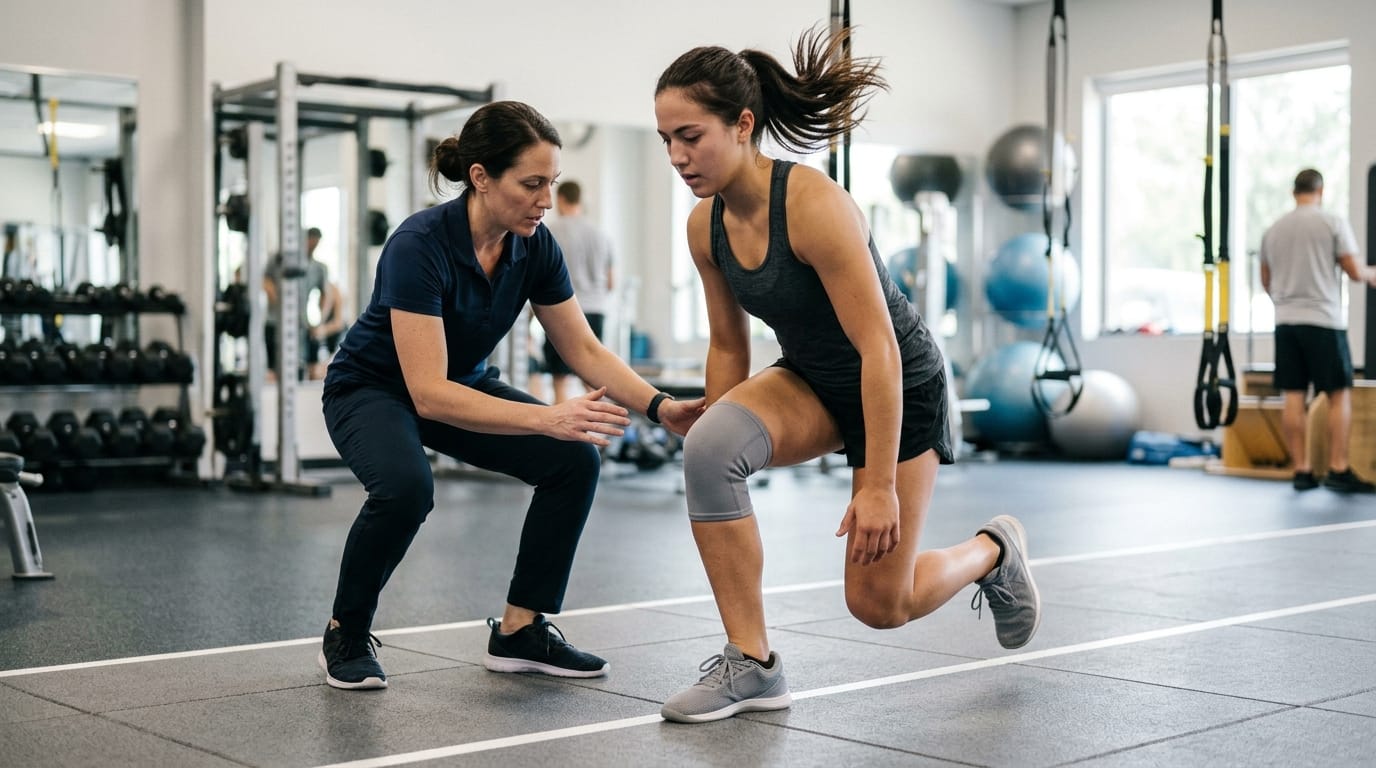
Many athletes feel pressure to return because a season is starting, a tournament is coming, a scholarship opportunity matters, or the team needs them. That pressure is understandable, but it can be dangerous when it overrides objective testing. Feeling eager is not the same as being ready.
Some athletes also look ready during simple drills but struggle when movement becomes faster and less predictable. They may jog well in a straight line but hesitate when cutting. They may pass a basic strength exercise but land stiffly after a jump. They may complete rehab in the clinic but lose control when a defender approaches or a ball changes direction.
Why the injured leg can still hide deficits
After ACL reconstruction, athletes often compensate without realizing it. They may rely more on the uninjured leg, avoid bending the knee deeply, shift weight away from the surgical side, or move with less confidence. These compensations can be subtle. A coach, parent, or athlete may not notice them during casual practice.
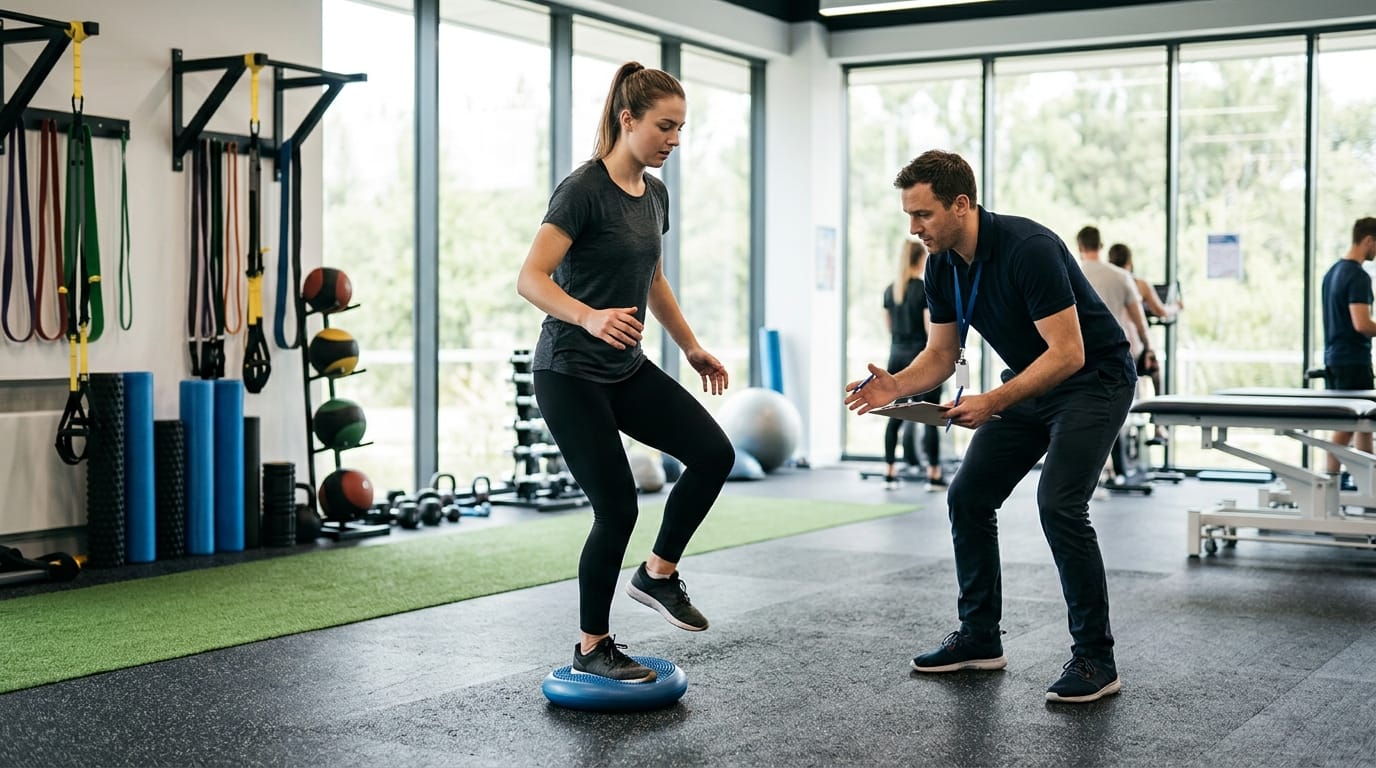
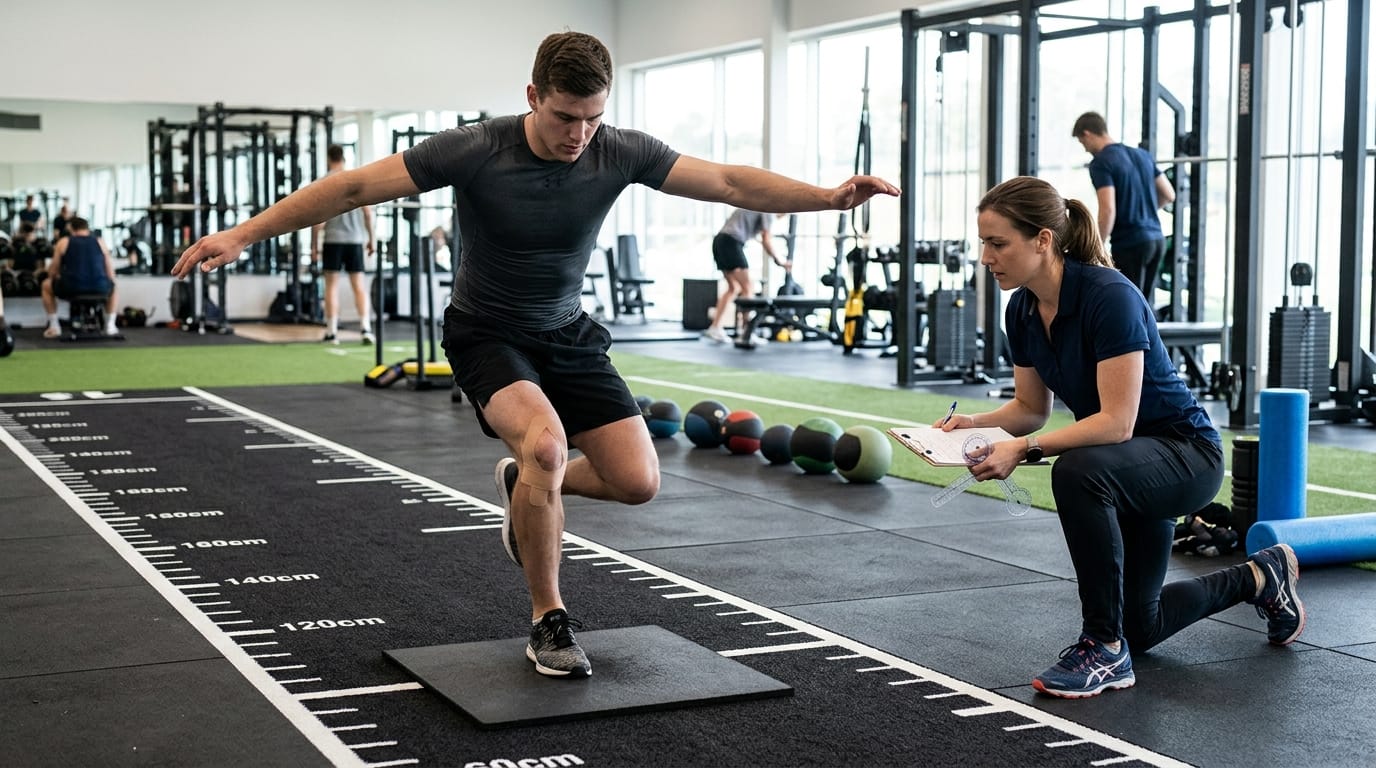
Testing helps reveal what the eye may miss. Strength tests, hop tests, balance work, landing assessments, and sport-specific drills can show whether the athlete is truly using both legs well. The American Academy of Orthopaedic Surgeons notes that functional evaluation, such as hop testing, may be considered as one factor in determining return to sport after ACL reconstruction. Athletes can review the AAOS ACL injury guidance here: AAOS Management of Anterior Cruciate Ligament Injuries.
Why returning too early can be costly
Returning too early after ACL injury can lead to more than a short setback. A second ACL injury may require another surgery, longer rehab, more time away from sport, and increased emotional stress. It can also affect confidence. Many athletes who reinjure the knee do not only lose physical progress. They lose trust in the joint.
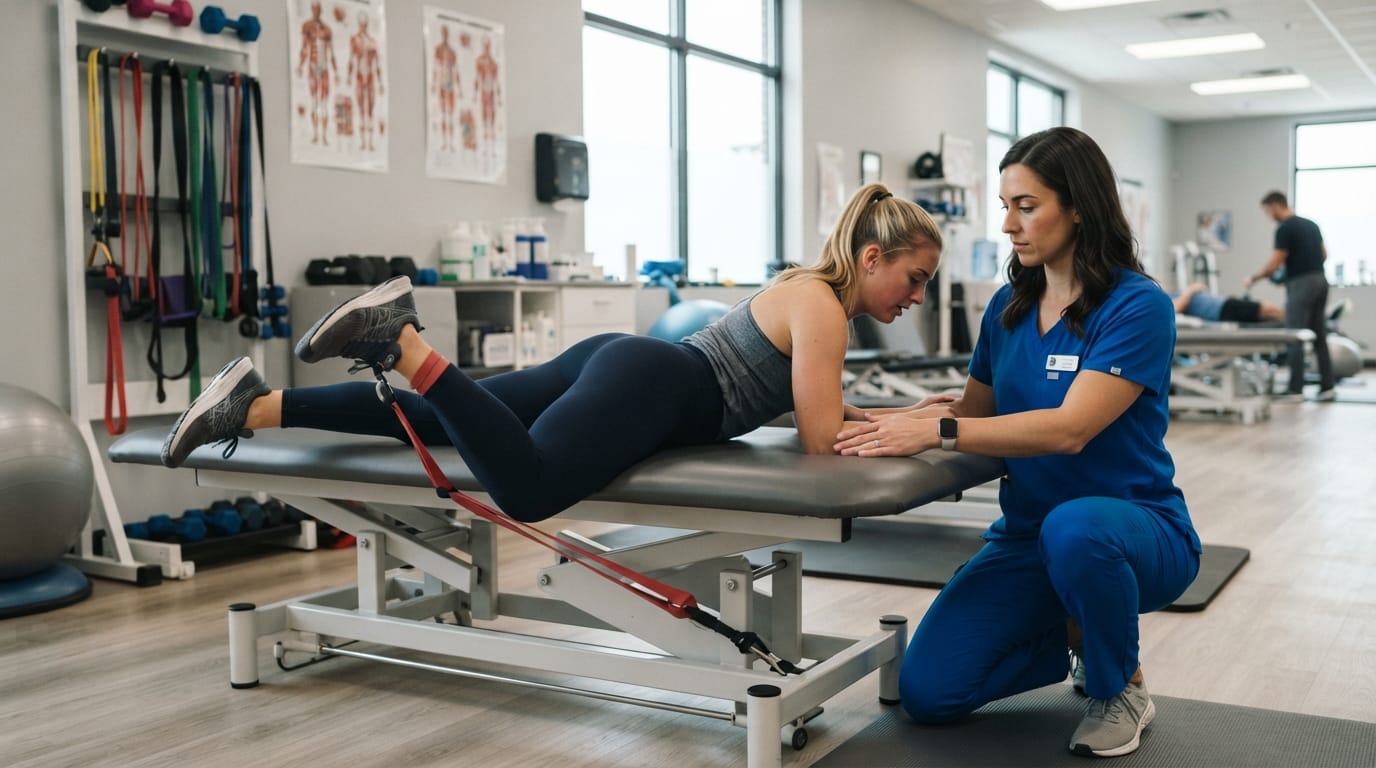
This is why return-to-sport clearance should not be rushed. Athletes need a realistic plan that includes medical guidance, physical therapy progress, sport-specific conditioning, psychological readiness, and prevention work after they return. A cleared athlete still needs ongoing strength, landing, and movement training.
What ACL return-to-sport testing usually includes
ACL return-to-sport testing can vary by clinician, sport, equipment, and athlete level. However, most testing approaches look at several major areas: knee range of motion, swelling, strength, single-leg control, balance, hop performance, landing mechanics, agility, sport-specific skills, and psychological readiness.
Strength is especially important. Athletes need strong quadriceps, hamstrings, glutes, calves, and hips to control deceleration and direction changes. If the injured leg is still much weaker than the other side, the athlete may be more likely to compensate. Hop testing may also be used to compare side-to-side performance, but hop distance alone is not enough. How the athlete lands matters too.
Why psychological readiness belongs in the conversation
Fear of reinjury is not imaginary. It can change how an athlete moves. A player who does not trust the knee may land stiffly, avoid contact, hesitate before cutting, or protect the leg without realizing it. These reactions can affect performance and safety.
Psychological readiness should be discussed openly instead of dismissed. An athlete can be physically strong and still mentally unready. That does not mean they are weak. It means the injury affected more than tissue. Returning to sport requires confidence, decision-making, trust, and gradual exposure to real game demands. This is why the site’s guide on mental recovery after sports injury is a useful companion to any ACL rehab plan.
How ACL Return-to-Sport Testing Is Evolving in 2026
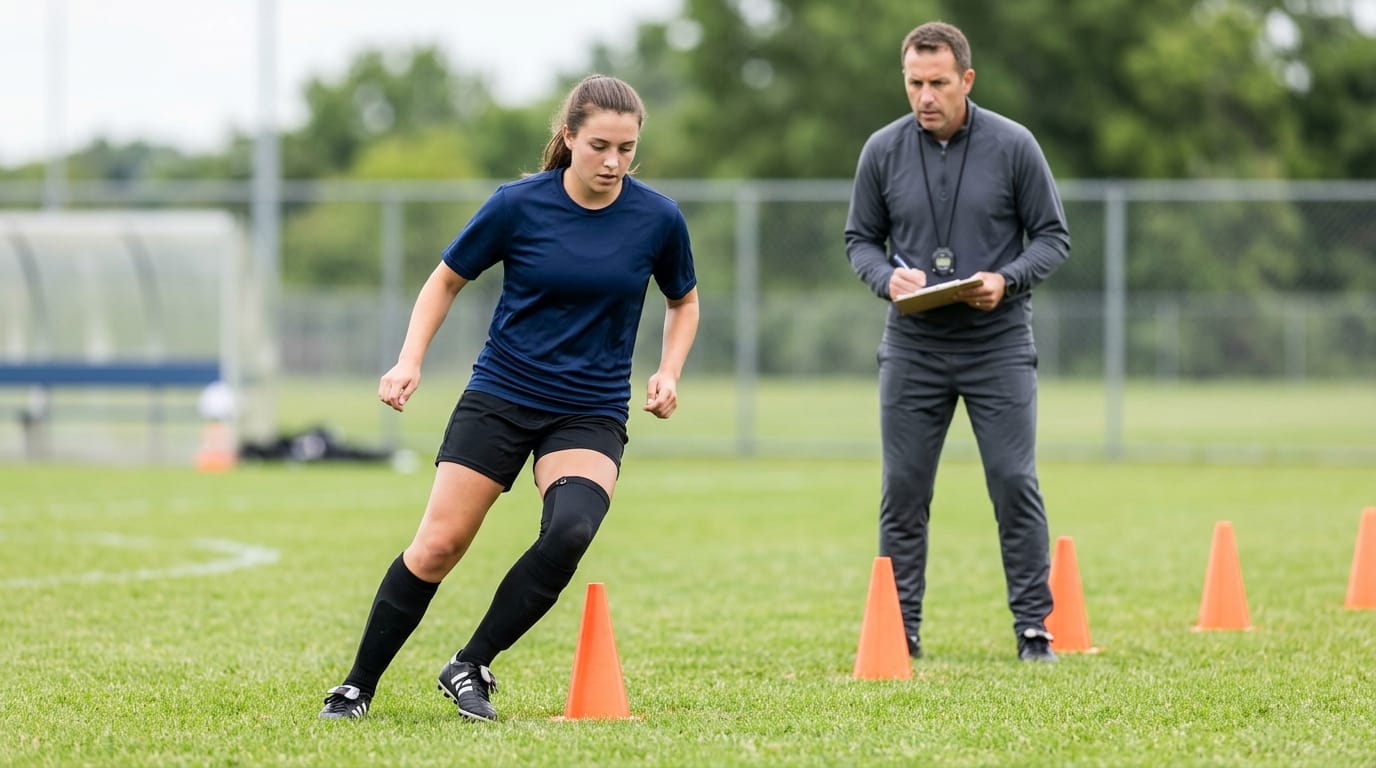
In 2026, ACL return-to-sport testing is moving toward a more realistic view of sports. Real competition is not performed in a quiet clinic with one simple instruction at a time. Athletes must read opponents, react to teammates, track a ball, listen to calls, manage fatigue, avoid contact, and make split-second decisions while moving at speed.
That is why newer ACL return-to-sport discussions include cognitive-motor testing and dual-task assessment. Dual-task testing means the athlete performs a physical movement while also handling a thinking task, such as reacting to a signal, making a decision, remembering information, or responding to a visual cue. This better reflects the chaos of sport.
A 2026 pilot study on dual-task return-to-sport screening after ACL reconstruction stated that current screening may be inadequate because it does not fully reflect cognitive-motor sport demands. That is a major point for athletes in cutting and pivoting sports. A knee that looks controlled during a planned hop may behave differently when the athlete must react quickly.
What athletes, parents, and coaches should ask before return
Before an athlete returns to full practice or competition, the decision should be discussed with qualified professionals. Athletes and parents can ask practical questions: Has strength been tested? Is swelling controlled? Does the athlete have full or near-full motion? Has hop testing or single-leg control been assessed? Has landing quality been reviewed? Has the athlete completed sport-specific drills? Has confidence or fear of reinjury been addressed?
Coaches should also ask whether return will be gradual. Going from rehab to full tournament play is a bad jump. A safer return usually moves from controlled drills to non-contact practice, then limited contact, then full practice, then competition. The athlete should also continue injury prevention work after returning. ACL prevention does not stop when the doctor says the athlete can play.
Wearable data, training logs, and workload monitoring can support this process, but they should not replace clinical judgment. A device cannot fully measure knee confidence, landing control, or cutting quality. For a broader look at tracking limits, read wearable tech for sports injury prevention.
When athletes should slow down the return-to-sport plan
Athletes should slow down the return plan if they have swelling after activity, pain, loss of motion, repeated limping, poor landing control, major strength differences, fear during cutting, or hesitation in sport-specific drills. These signs do not mean the athlete failed. They mean the plan needs adjustment.
A smart delay is better than a rushed return that leads to another injury. Rehab should also include safe strength and movement progressions. Readers can review safe recovery exercises after a sports injury for general recovery principles, but ACL-specific rehab should always be guided by a qualified healthcare professional.
ACL return-to-sport testing in 2026 is not about creating unnecessary barriers. It is about protecting athletes from decisions based only on hope, pressure, or the calendar. The knee has to tolerate strength, speed, fatigue, reaction, contact, and confidence demands before full sport makes sense.
The direct takeaway is simple: time matters, but time alone is not clearance. Athletes need objective testing, movement quality checks, sport-specific progression, and psychological readiness. Returning to sport after ACL injury should be earned through function, not rushed by schedule pressure.
Disclaimer: This article is for general educational purposes only and is not medical advice. ACL injuries and return-to-sport decisions should be evaluated by qualified healthcare professionals, including orthopedic and sports medicine providers.