
Mental recovery after sports injury is finally getting the attention it deserves. For years, many athletes, parents, and coaches focused mainly on the physical side of healing. They tracked swelling, pain, strength, range of motion, imaging results, rehab exercises, and return-to-play timelines. Those things matter, but they do not tell the whole story. A young athlete can be physically cleared and still feel scared, frustrated, embarrassed, or disconnected from the sport they used to love.
That emotional side can be heavy. A sports injury can interrupt a season, change friendships, affect identity, and make an athlete question their future. A child who once felt confident may suddenly feel left behind. A teen who trained hard for months may feel angry watching teammates compete. Some athletes fear getting hurt again. Others rush back too soon because they do not want to lose their spot.
This is why mental recovery matters. A strong comeback is not only about repairing tissue. It is about rebuilding trust in the body, restoring confidence, managing fear, and helping the athlete feel supported instead of pressured. For young athletes, that support often needs to come from parents, coaches, medical professionals, and teammates working together.
Why Sports Injuries Affect More Than the Body
A sports injury can feel like a sudden loss. The athlete may lose playing time, daily routine, team connection, fitness, confidence, and a sense of progress. That can be especially difficult for young athletes who strongly identify with their sport. If a child sees themselves as “the soccer player,” “the pitcher,” “the gymnast,” or “the runner,” an injury can make them feel like part of who they are has disappeared.
Parents and coaches may focus on practical steps, such as appointments, rest, ice, rehab, or training changes. That is understandable. Adults want to fix the problem. But young athletes often need emotional space before they can fully engage in recovery. They may need to feel heard before they are ready for advice.
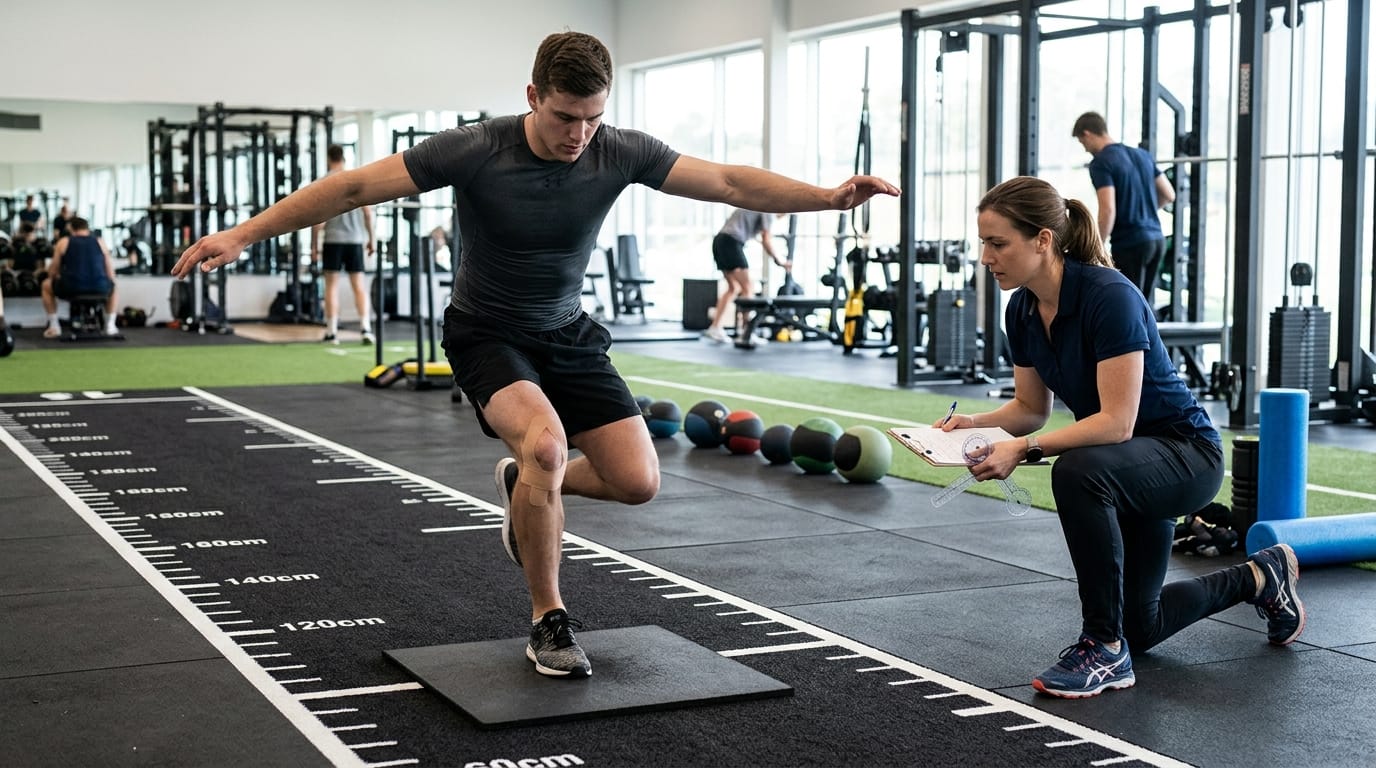
Some injuries also create fear. An athlete who tore an ACL may feel nervous cutting or landing again. A baseball pitcher with elbow pain may hesitate to throw hard. A player returning after a concussion may worry about another hit. These reactions are not signs of weakness. They are normal responses after the body has experienced pain, shock, or uncertainty.
Common Emotional Reactions After a Sports Injury
Young athletes may react in different ways after getting hurt. Some become quiet and withdrawn. Others become irritable or angry. Some cry easily, while others pretend nothing is wrong. Some lose motivation for rehab. Others overdo exercises because they want to return faster. None of these reactions should be dismissed automatically.
Common emotional responses include sadness, frustration, anxiety, fear of reinjury, embarrassment, guilt, jealousy, and impatience. Athletes may also worry about losing fitness, disappointing coaches, missing recruitment opportunities, or falling behind teammates. The more competitive the environment, the stronger these fears can become.
Parents should also watch for changes in sleep, appetite, mood, school performance, social withdrawal, or loss of interest in normal activities. A bad few days after an injury may be expected. But if emotional distress continues or worsens, the athlete may need more support than encouragement alone.
Do Not Rush Past the Disappointment
One mistake adults make is trying to make the athlete feel better too quickly. Statements like “It could be worse” or “You’ll be back soon” may be true, but they can also make the athlete feel misunderstood. A better first response is simple: “I know this is really disappointing.” That kind of validation helps the athlete feel safe enough to process the setback.
How Fear of Reinjury Can Delay a Comeback

Fear of reinjury is one of the most common mental barriers during return to play. An athlete may complete rehab, pass basic strength tests, and still feel nervous when real sport movements return. This fear often appears during cutting, jumping, sprinting, contact, throwing, landing, or high-speed play. The athlete may move stiffly, hesitate, avoid certain actions, or lose trust in the injured area.
This matters because hesitation can affect movement quality. A player who is afraid to land may land awkwardly. A runner who guards one leg may overload another area. A pitcher who protects the elbow may change mechanics and create stress elsewhere. Mental recovery and physical mechanics are connected.
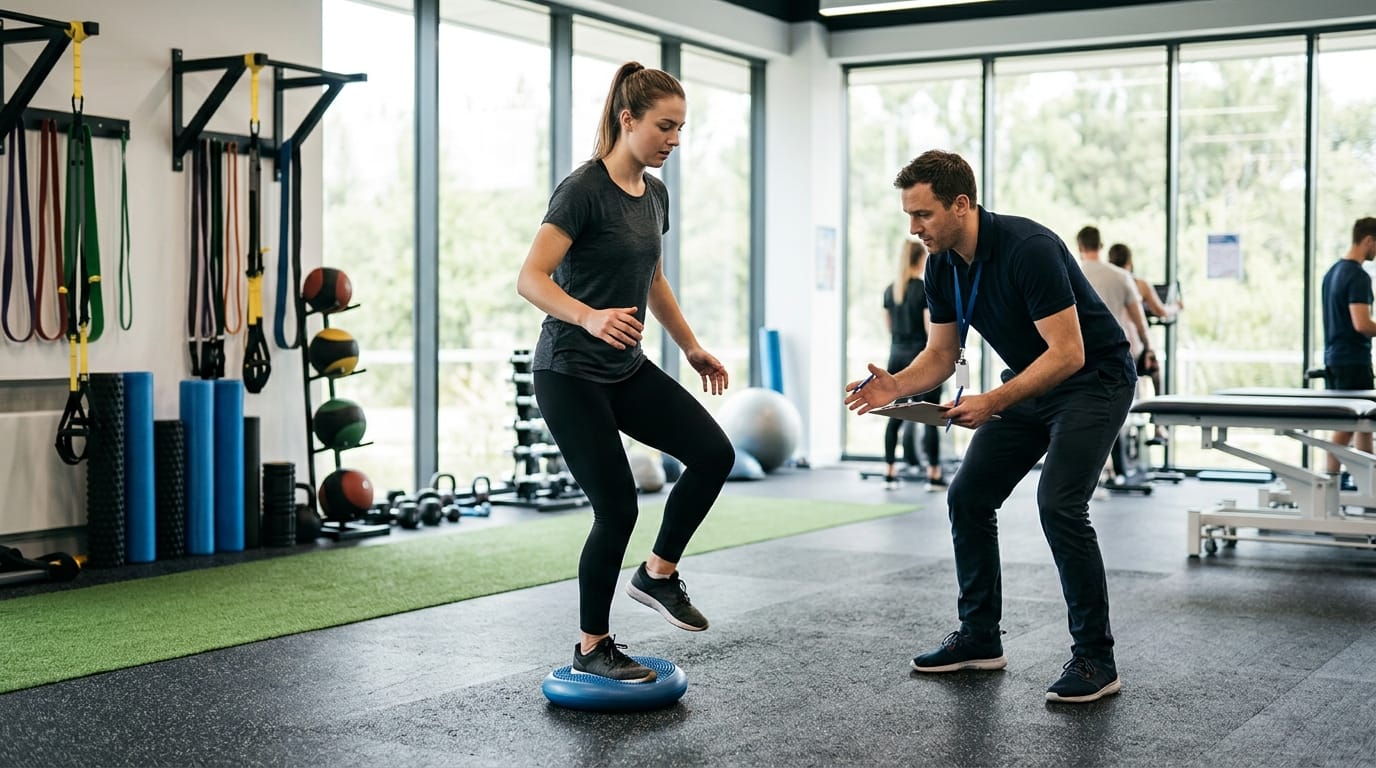
For this reason, return-to-play should be gradual. Athletes need a bridge between rehab exercises and full competition. That bridge may include controlled drills, sport-specific movement, low-pressure practice, confidence-building repetitions, and clear communication with coaches. This is especially important after serious injuries or brain-related injuries. For more on brain safety, read Concussion Return to Play in 2026.
Confidence Should Be Trained Like Strength
Confidence does not always return automatically. It often needs practice. Just as an athlete rebuilds strength through progressive loading, confidence can rebuild through progressive exposure. Start with simple movements, then add speed, decision-making, pressure, and competition step by step. Each successful repetition teaches the brain and body that movement can be safe again.
The Parent and Coach Role in Mental Recovery
Parents and coaches have a major influence on mental recovery after sports injury. Their words, tone, and expectations can either reduce pressure or increase it. Young athletes often look to adults for clues. If adults panic, the athlete may panic. If adults minimize pain, the athlete may hide symptoms. If adults obsess over return dates, the athlete may feel like recovery is only valuable if it happens fast.
The better approach is steady support. Parents can ask open questions: “What feels hardest right now?” “What are you worried about?” “What would help you feel supported this week?” Coaches can keep the athlete connected to the team without forcing them to perform. They can invite injured athletes to attend practice, help with strategy, support teammates, or participate in safe modified activities when cleared.
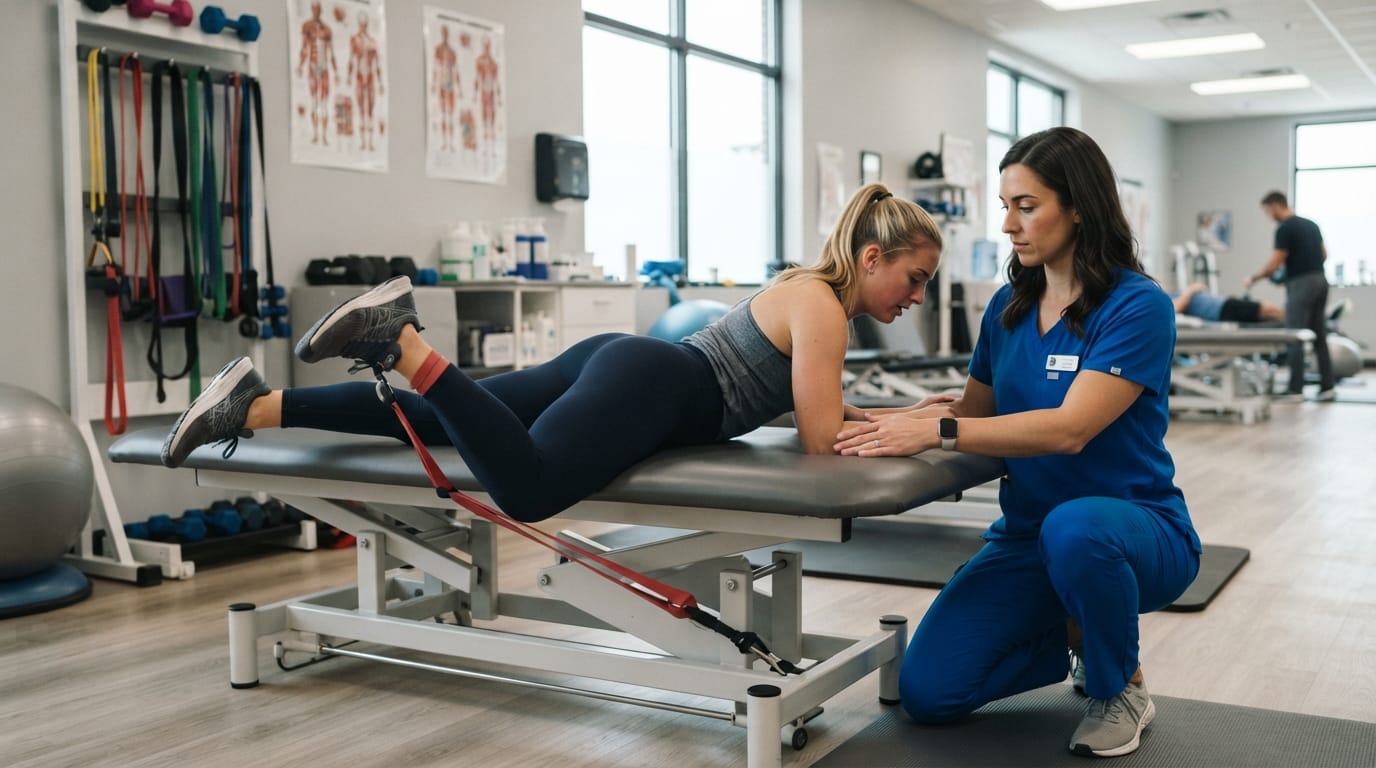
Medical professionals and physical therapists also play an important role. They can explain the recovery process, set realistic goals, and help the athlete understand what pain, soreness, fatigue, or fear may mean. Clear information lowers anxiety because the athlete knows what to expect.
Progress Goals Work Better Than Pressure Goals
A pressure goal sounds like, “You need to be back by playoffs.” A progress goal sounds like, “This week, let’s focus on pain-free movement and better single-leg control.” Progress goals give the athlete something they can influence. They also reduce shame when recovery is slower than hoped. Small wins matter because they create momentum.
How Young Athletes Can Rebuild Confidence Safely
A strong mental comeback starts with honest communication. Athletes should feel safe telling adults when they are scared, sore, tired, or unsure. Hiding symptoms is one of the fastest ways to turn a manageable injury into a bigger problem. This is especially true with overuse injuries, throwing pain, concussions, and tendon problems that can worsen when ignored.
Next, athletes need structure. A clear recovery plan helps reduce uncertainty. The plan should include medical guidance, rehab exercises, rest, gradual sport exposure, and return-to-play steps. It should also include emotional check-ins. Ask the athlete to rate confidence, not just pain. A simple question like “How confident do you feel doing this movement today?” can reveal a lot.
Rehab should also connect to the athlete’s sport. Generic exercises may help early, but athletes eventually need movements that resemble the demands of their activity. A soccer player needs cutting and deceleration practice. A basketball player needs landing control. A pitcher needs throwing progression. A runner needs gradual impact exposure. For prevention and rebuilding capacity, your article on Strength Training for Injury Prevention in 2026 is a useful follow-up.
Young athletes also benefit from staying connected to their team. Isolation can make recovery feel worse. Even if they cannot compete, they can attend practices, watch film, support teammates, or participate in safe training tasks. Remaining part of the group helps protect identity and motivation.
Parents should also understand that pain and emotion can overlap. A child who seems “unmotivated” may actually be afraid. A teen who seems angry may feel powerless. A player who says they do not care anymore may be protecting themselves from disappointment. Listen before labeling the behavior.
When to Seek Extra Support

Seek extra support if the athlete shows ongoing anxiety, sadness, sleep problems, panic, withdrawal, loss of interest, refusal to attend rehab, fear that blocks daily activity, or intense pressure about returning. A sports psychologist, licensed therapist, pediatrician, athletic trainer, or sports medicine professional can help. Mental health support is not a sign that recovery is failing. It is part of responsible care.
For physical guidance after a child’s injury, the American Academy of Pediatrics guide to kids and sports injuries is a helpful authority resource. Parents should also take recurring pain seriously, especially if symptoms last, worsen, or affect normal movement.
Sports-injury recovery is rarely perfectly smooth. There may be good days, setbacks, frustration, and fear. That does not mean the athlete is weak or the plan is failing. It means recovery is human. The best comeback plans respect both the body and the mind.
Mental recovery after sports injury helps young athletes rebuild confidence, reconnect with their sport, and return with better awareness. Physical healing matters, but emotional healing matters too. With steady support, gradual exposure, honest communication, and realistic goals, injured athletes can move from fear back toward trust. The goal is not only to return to play. The goal is to return healthier, wiser, and more confident than before.