Readers researching Achilles tendinopathy rehabilitation need practical distinctions, reliable sources and a clear next step. The answer often depends on the circumstances, what can be verified and which professional or official instructions apply. This injury recovery guide focuses on the decision points people can actually investigate, rather than promising a universal result.
A practical health guide should help readers recognize what can be observed and what requires professional evaluation. It cannot diagnose an individual or promise a recovery date. The aim is to make symptoms, safety choices and next steps easier to discuss with a qualified clinician.
What Achilles tendon pain may indicate
Achilles tendinopathy rehabilitation focuses on understanding load, symptoms and the particular location of tendon pain. Runners may describe morning stiffness, discomfort at the back of the heel or pain that changes during activity. These patterns can suggest tendon involvement but are not a diagnosis. A clinician should assess whether the problem is midportion tendinopathy, insertional pain or another condition requiring different care. Health advice depends on symptoms, personal history, examination findings, and professional assessment. A general guide cannot diagnose a condition or replace care. New or rapidly worsening symptoms, significant pain, or sudden functional changes deserve prompt medical attention rather than an extended self-treatment experiment. For further context, review Sports Injuries articles.
The Achilles tendon connects the calf muscles to the heel. Repeated loading is part of normal running, but an abrupt increase in training, hills, speed sessions or footwear changes can exceed current tolerance. The answer is not always complete rest. A well-designed rehabilitation plan often adjusts provocative loading while gradually restoring strength and function under professional guidance. One measurement or a single good day can be misleading. Clinicians often look for patterns across time and consider medications, previous injuries, workload, and other health conditions. Write down relevant changes in ordinary language so the visit focuses on the problem rather than a perfect self-diagnosis.
Midportion and insertional symptoms can differ
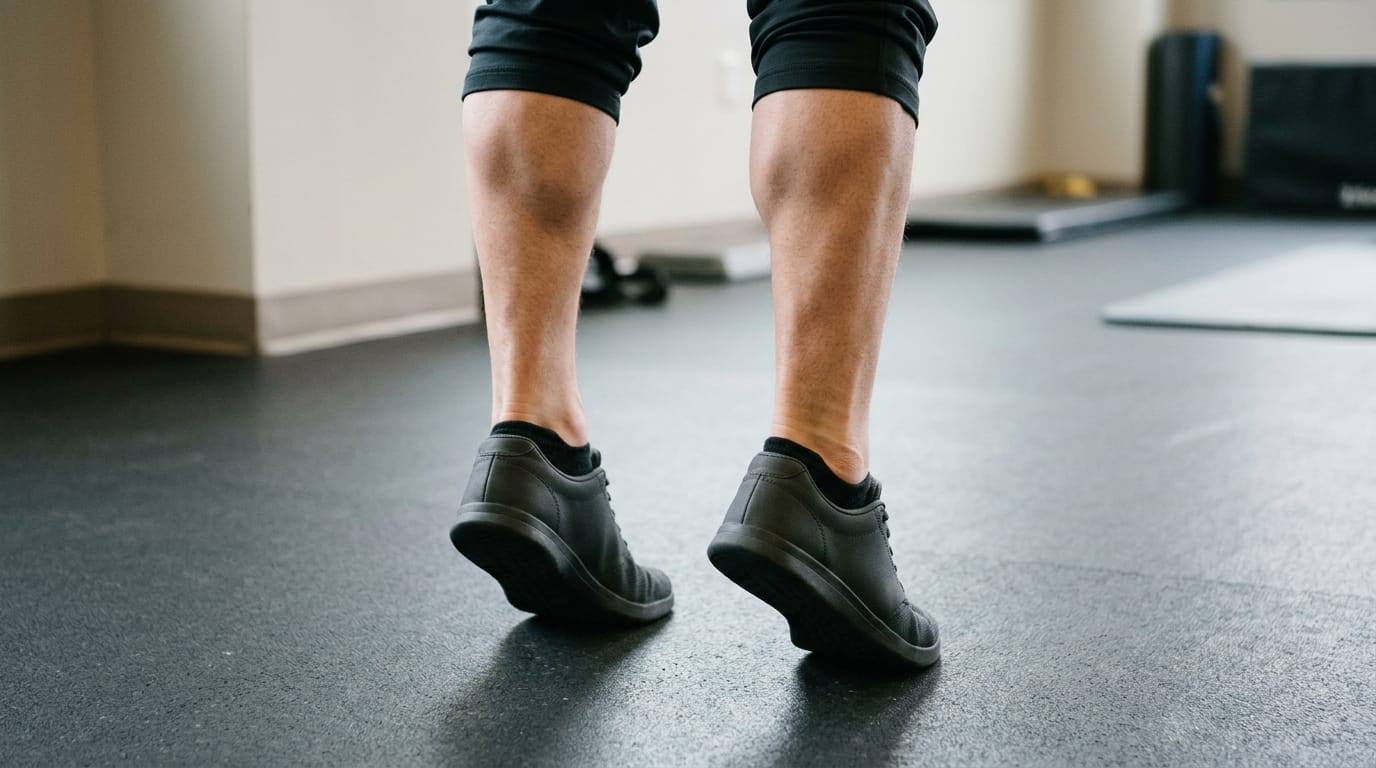
Pain closer to the heel insertion may behave differently from pain several centimeters above it. Some exercises that extend the ankle deeply can aggravate insertional symptoms. Copying an eccentric heel-drop video without a diagnosis may therefore be unhelpful. The exercise range and progression should reflect the specific presentation and any associated conditions. If a recommended exercise or routine increases symptoms substantially, stop and ask a qualified clinician how to modify it. Progress is seldom perfectly linear. A safe plan should specify both what to attempt and which symptoms mean the plan needs reassessment.
Morning stiffness is one clue, not a diagnosis
A sudden pop, marked weakness, a new gap in the tendon area or difficulty pushing off raises concern for rupture and requires prompt medical evaluation. Swelling, severe pain or inability to walk should not be explained away as ordinary training soreness. This guide addresses routine rehabilitation concepts, not emergency management or a substitute for examination. Commercial devices and viral techniques can promise certainty that research has not established. Read the intended use, limitations, and professional guidance before treating a product as a substitute for evaluation. A newer tool is not automatically better for every person.
Sudden snap or inability to push off needs urgent care
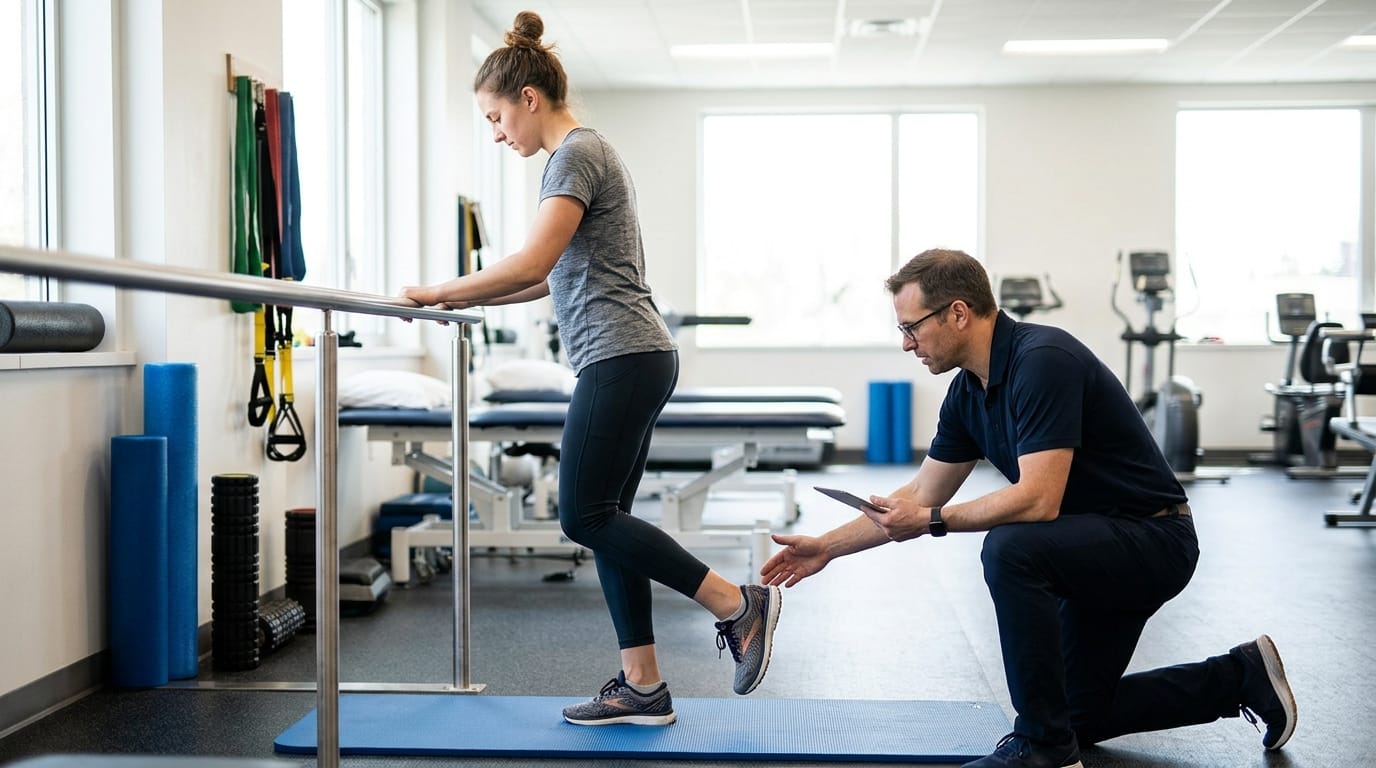
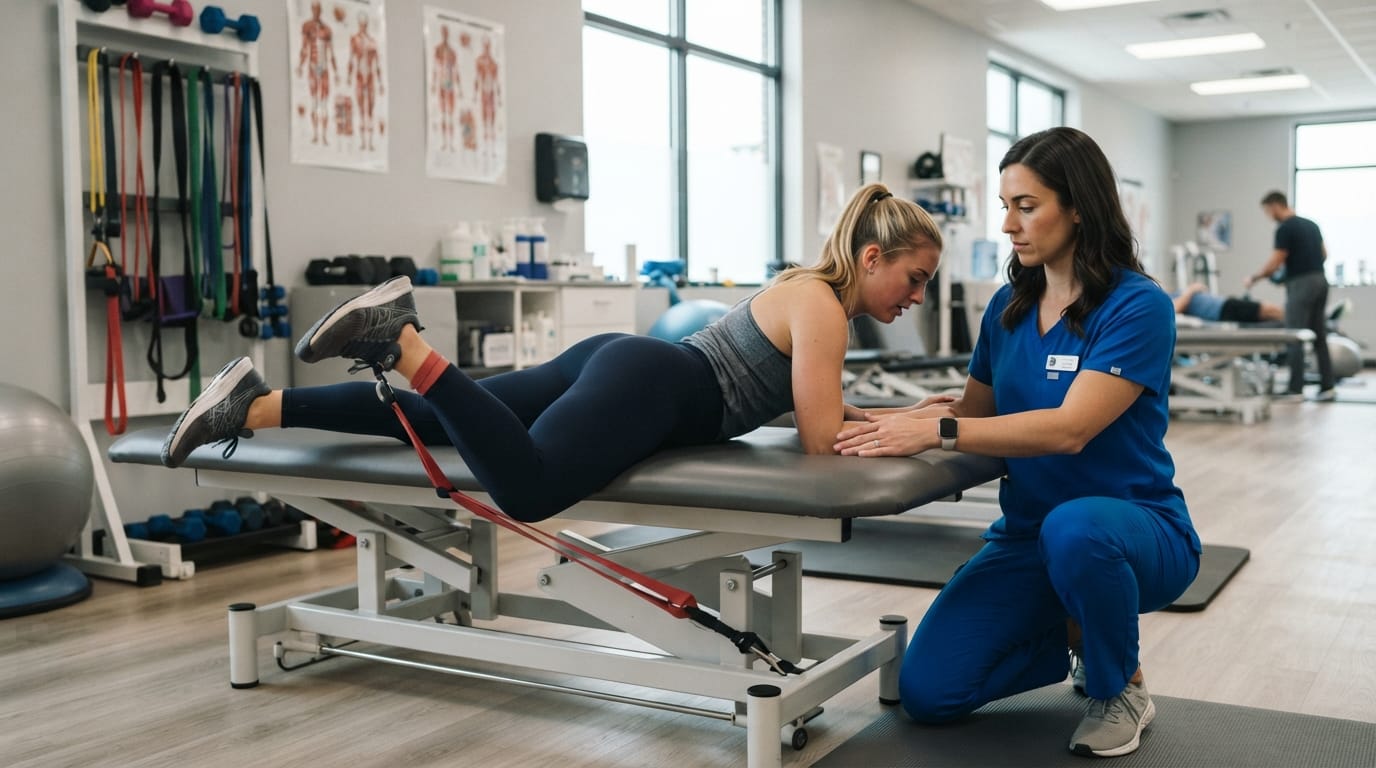
Clinicians may use calf-strength exercises, controlled heel raises and gradual functional loading, adjusting resistance and range based on tolerance. The goal is not to eliminate every sensation instantly or push through sharp worsening pain. Tracking how the tendon responds later that day and the following morning can be more informative than judging only the middle of a workout. The practical goal is understanding, not fear. Identify what can be observed safely at home, which questions belong at an appointment, and what records will help with follow-up. Education is most useful when it makes appropriate care easier to access.
Calf-strength training can be progressed through different positions and loads. Some clinicians measure endurance and strength side to side, while also considering the athlete’s overall function. Testing should not provoke an uncontrolled flare or substitute for the person’s clinical assessment.
Reduce aggravation without complete inactivity
Training modifications can include flatter routes, fewer high-intensity sessions and shorter bouts while maintaining other tolerable activities. Cycling or swimming may help some people preserve fitness, but those options still depend on symptoms. Avoid chasing a rigid timeline online: the tendon adaptation process and contributing factors vary substantially. Risk factors describe probabilities across groups, not destinies for individuals. An athlete or patient may improve with a simple adjustment, require longer rehabilitation, or need another assessment. Avoid comparing your timeline with a social-media success story.
A runner may improve with flatter terrain before tolerating hills. The additional ankle movement and force demands of steep routes mean that mileage alone is not the whole training load. A short hill session can provoke more symptoms than a longer easy run on level ground.
How clinicians plan gradual tendon loading
Footwear, work demands, health history and running technique may influence load. A clinician might review these factors without asserting that one shoe or foot strike is universally wrong. Replacing all gear at once can make it impossible to determine which change helped. Make controlled adjustments and track the response. A good professional discussion includes the expected benefits, burdens, cost, and alternatives of each option. Ask how success will be measured and what the plan is if symptoms persist. Shared decisions are more realistic than assuming one approach fits everyone.
Track load, strength and next-day response
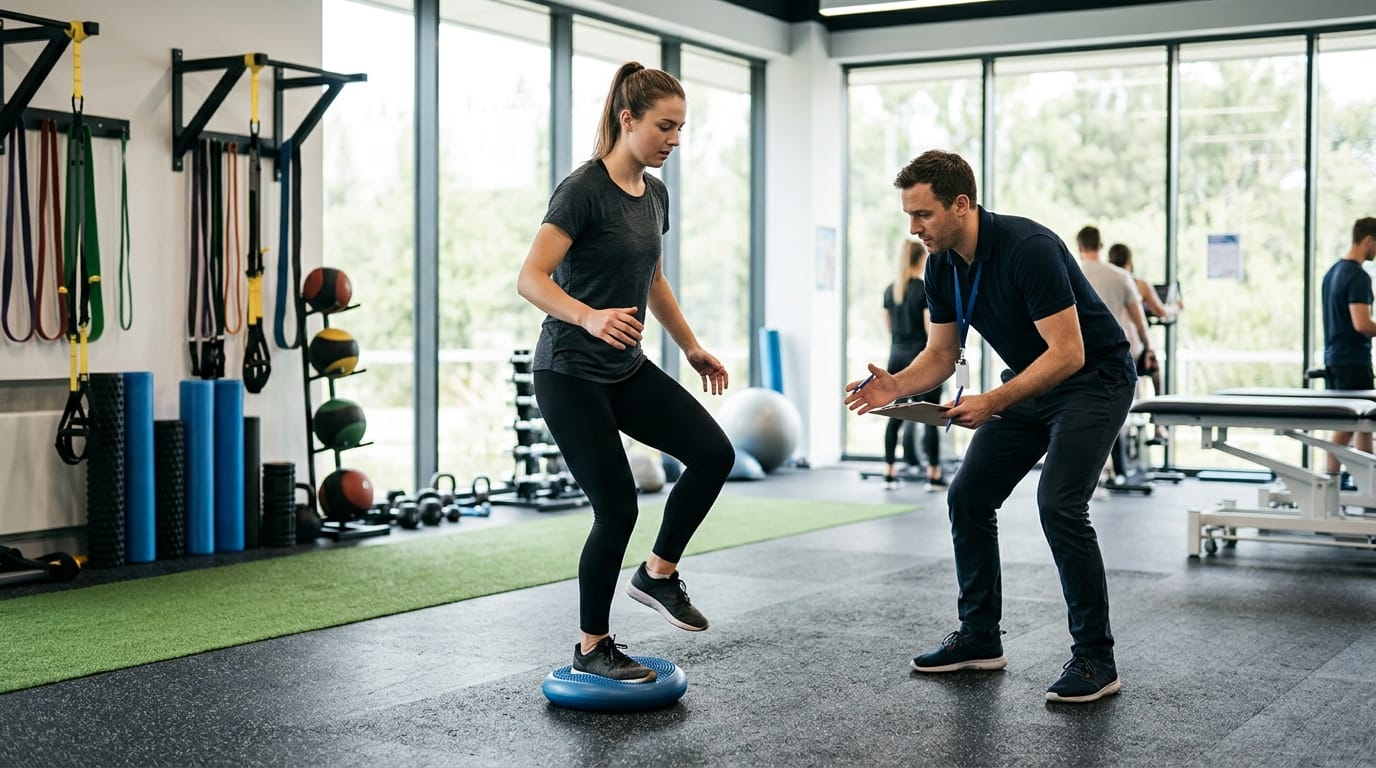
Progression toward running often uses measurable milestones such as calf strength, walking tolerance, repeated heel raises and response to gradual running intervals. Hills, sprints and plyometric work place additional demands and should not all return simultaneously. The appropriate markers depend on professional assessment and the athlete’s sport. Keep instructions and questions together: current symptoms, activities that provoke them, prior tests, relevant medications, and the next planned review. Do not start, stop, or change a prescription based on an article. Clarify uncertainties with your treating professional.
Progress exercises based on symptoms and assessment
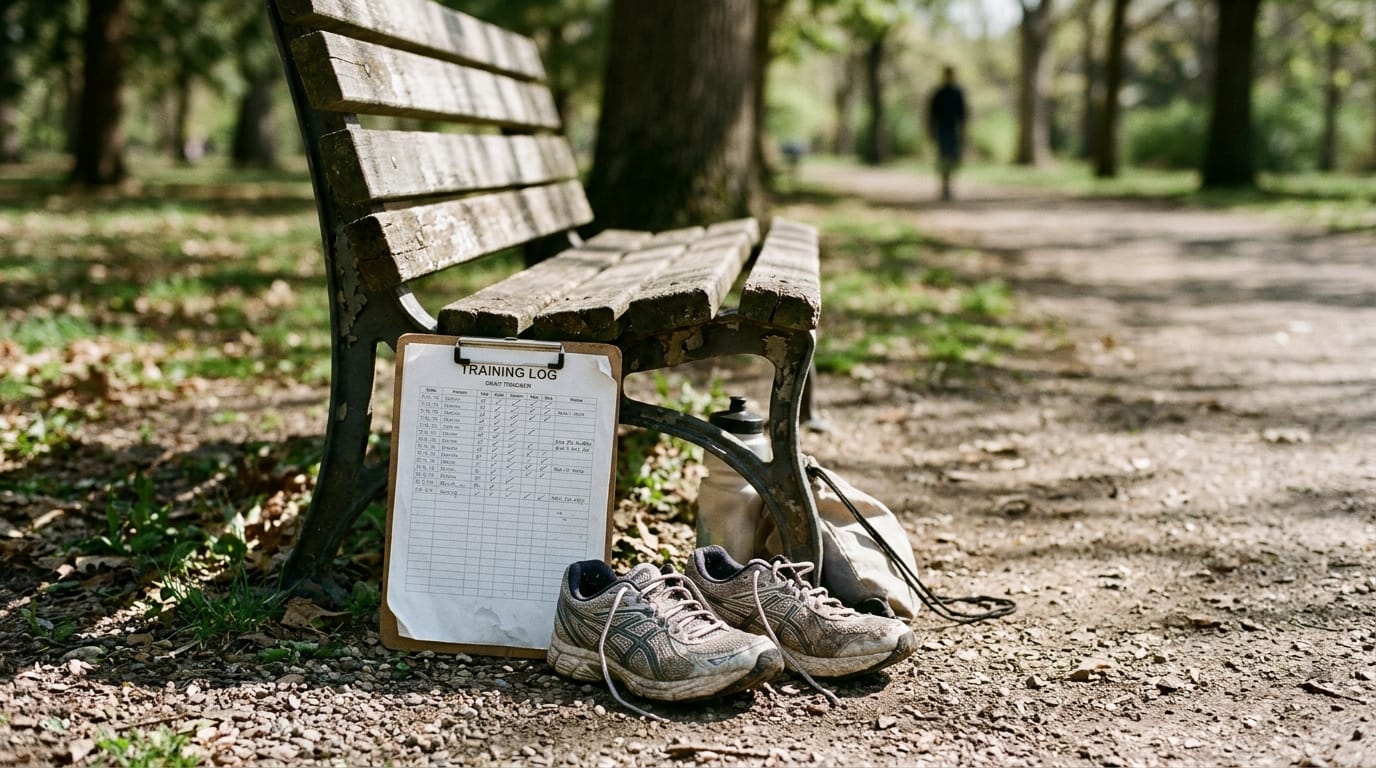
Imagine a runner whose tendon feels better after three days without running but becomes stiff again after a long hill session. That pattern suggests the overall loading strategy needs reassessment, not that every exercise is useless. Recording volume and next-day response gives a clinician better information for adjusting the plan. There is value in steady, proportionate action. Protect the basics of recovery, notice meaningful changes, and obtain individualized guidance when warning signs appear. The purpose of this guide is to help you ask better questions, not to make a diagnosis.
Return to hills and speedwork gradually
Sleep, recovery days and other physical demands matter alongside exercise selection. Someone who stands for work may accumulate more daily tendon load than their running log shows. The rehabilitation plan should account for that hidden exposure rather than blaming every setback on the last workout.
Athletes often ask whether a tendon can be strengthened while it still hurts. The useful answer depends on diagnosis, symptom intensity and the response to loading. A rehabilitation professional can distinguish tolerable rehabilitation discomfort from concerning deterioration. Self-testing with repeated maximal jumps is not a reliable shortcut to readiness.
Questions for your appointment: What findings support the working diagnosis? Which symptoms should prompt urgent contact? How will improvement be measured? Which activities or medicines need professional supervision? A written answer to each question can make follow-up care easier to understand and safer to carry out.
For authoritative context, consult AAOS Achilles tendinitis guidance. Its scope and limitations should be considered alongside the specific facts; the link is not a substitute for professional or local instructions.
The useful next step is a proportionate plan: document what you notice, follow credible professional instructions, and arrange reassessment if symptoms worsen or progress stalls. Education should improve questions and decisions, not substitute for an examination. Seek urgent help when serious warning signs occur.