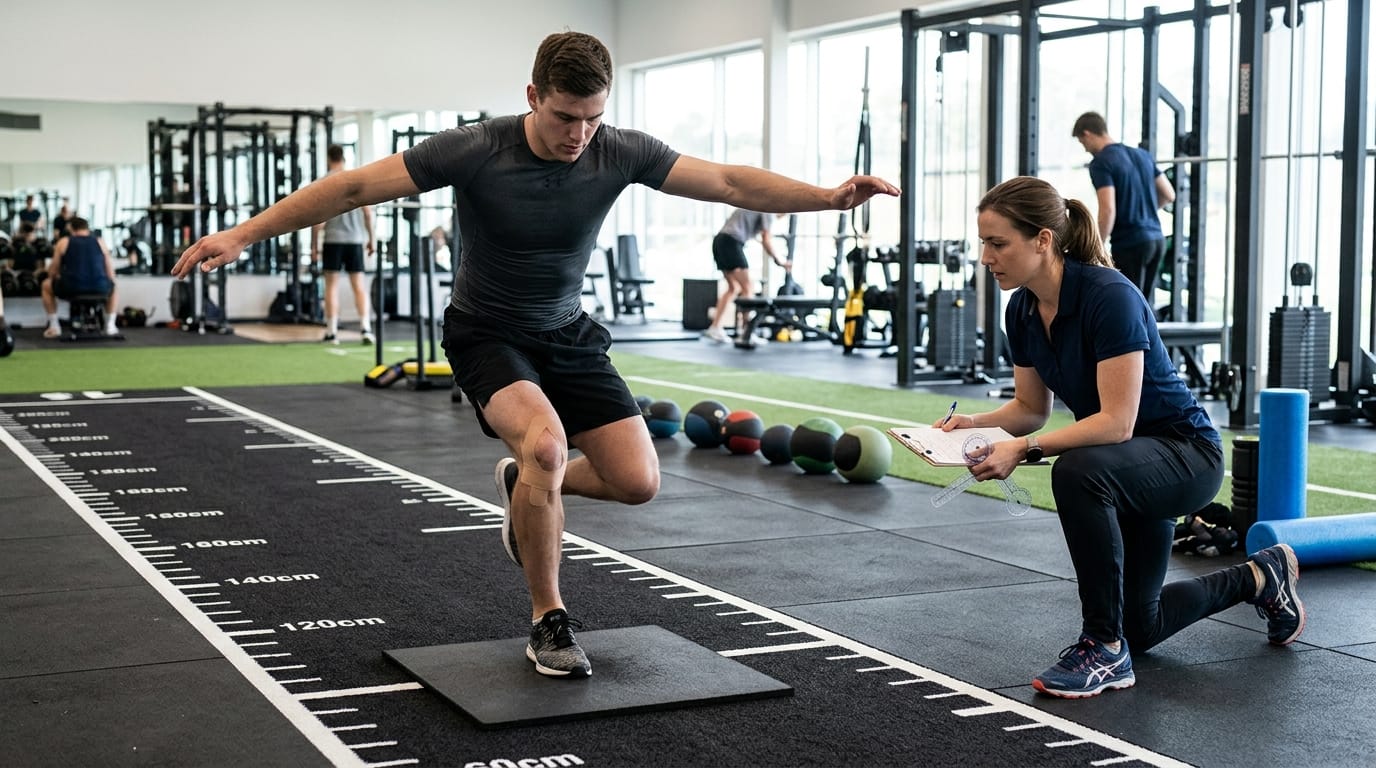
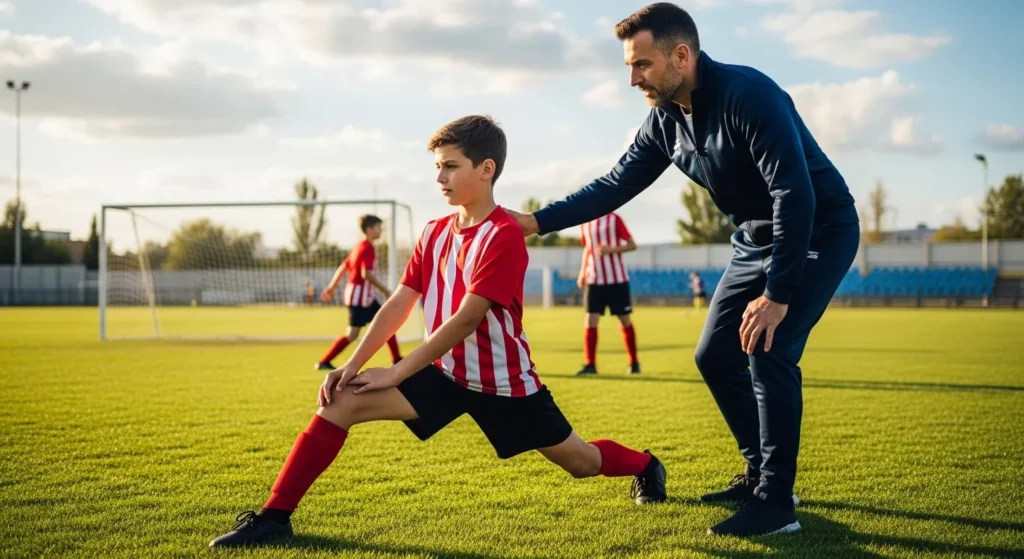
Youth sports overuse injuries are one of the biggest sports medicine topics in 2026. More kids are training year-round, joining multiple teams, attending extra camps, and specializing in a single sport earlier than ever. On the surface, that can look like commitment and ambition. But underneath, it can also create the exact pattern that leads to preventable injuries: repetitive stress, too little recovery, and pressure to keep going even when the body is giving warning signs.
This matters because overuse injuries are different from a sudden sprain or collision. They build quietly. A young athlete may not remember one specific moment when something went wrong. Instead, pain starts gradually, gets worse with activity, improves a little with rest, and then comes back as soon as training ramps up again. If that cycle is ignored, a manageable problem can turn into a longer layoff, a lingering weakness, or a reason a child loses confidence and drops out of sports altogether.
This topic is a strong fit for Sports-Injuries.com because it connects naturally to the site’s current prevention-and-recovery content. It also gives parents and coaches a practical guide that works alongside articles like ACL Injury Prevention for Female Athletes: The 10-Minute Warm-Up That Cuts Risk in 2026, How Wearable Tech Can Prevent — or Trigger — Sports Injuries, Sports Injury Recovery: Expert Tips for a Faster Healing Process, and When to See a Doctor for Sports Injuries.
Why Youth Sports Overuse Injuries Are Getting More Attention
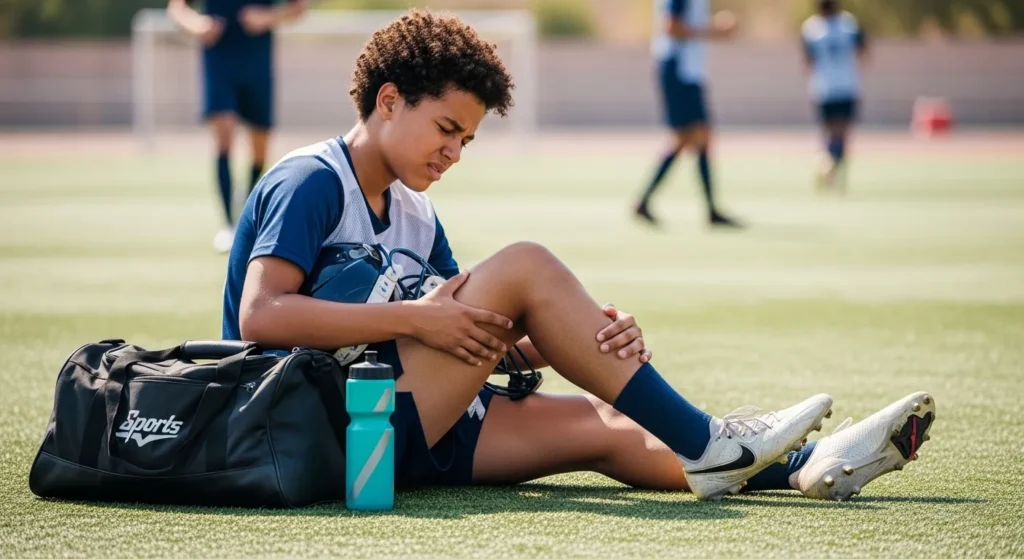
The reason youth sports overuse injuries are trending right now is simple: the workload on young athletes has changed. Kids are not just playing sports for fun a few days a week. Many are training in structured environments with skill sessions, extra practices, travel schedules, and pressure to keep up with year-round competition. The body, however, still follows biology, not ambition.
Growing bones, tendons, muscles, and growth plates do not always tolerate repeated load the same way an adult body does. That is why a pattern that seems “normal” in competitive youth sports can still be too much. The problem is not effort. The problem is repetitive stress without enough variation or recovery.
What Counts as an Overuse Injury?
An overuse injury happens when repeated stress builds up faster than the body can recover from it. Instead of one obvious event, the injury develops gradually over time. Common examples in young athletes include:
- Patellar tendon pain around the knee
- Shin pain or stress reactions
- Heel pain, especially in growth phases
- Shoulder or elbow pain in throwing athletes
- Low back pain in gymnasts, dancers, and rotational sports
- Stress fractures from repeated impact
These injuries are easy to dismiss early because the athlete can often still play. That is what makes them dangerous. Kids may keep performing while the tissue keeps getting more irritated, especially if they do not want to miss games or disappoint a coach.
Why Specialization Raises Risk
One of the clearest patterns in modern sports medicine is the connection between early specialization and overuse. When a child repeats the same movement patterns all year in one sport, the same joints and tissues absorb the same stress again and again. A pitcher keeps throwing. A soccer player keeps cutting and decelerating. A gymnast keeps landing. A distance runner keeps logging mileage. Without enough recovery or movement variety, the body loses its safety margin.
That does not mean serious young athletes should never focus. It means focus without load management becomes risky. A child can love one sport and still need boundaries, rest, and physical development beyond sport-specific repetition.
Early Warning Signs Parents and Coaches Miss
Many youth sports overuse injuries could be caught earlier if adults looked for patterns instead of waiting for dramatic pain. Warning signs often include:
- Pain that shows up during or after practice more than once
- Soreness in the same body area every week
- Limping, guarding, or changed mechanics
- Needing pain medicine or icing just to keep participating
- Performance drop-off without a clear reason
- Complaints of fatigue, irritability, or not wanting to train
These signs matter because overuse is not only physical. It can also drive anxiety, frustration, and burnout. A kid who feels trapped between pain and expectations may stop enjoying the sport long before they stop showing up.
Common Mistakes That Quietly Increase Injury Risk
1. Too much weekly volume
If a child is practicing more hours than their body can handle, the risk rises fast. This becomes especially important when the athlete trains on multiple teams at once or adds private instruction on top of regular team sessions.
2. Same sport all year
Year-round repetition is one of the biggest patterns behind overuse. A short break is not “falling behind.” In many cases, it is exactly what helps the athlete stay healthy enough to keep progressing.
3. Ignoring growth spurts
Kids often move differently during rapid growth. Coordination can temporarily change, muscles may feel tighter, and tissues can become more sensitive to load. This is not the best time to blindly push harder.
4. Treating pain like weakness
Young athletes often learn to normalize pain because they do not want to lose playing time. That mindset can turn a small issue into a bigger one.
5. Confusing training data with recovery
Wearables can help monitor load, but they are not magic. As the site’s wearable tech article explains, data helps only when adults use it to support smarter decisions instead of pushing harder every time the numbers look good.
What Prevention Actually Looks Like

Preventing youth sports overuse injuries does not require a complicated lab setup. It usually comes down to a few consistent habits:
- Keep training volume realistic for the athlete’s age and stage
- Avoid stacking multiple high-load sessions without recovery
- Use dynamic warm-ups before practice
- Build strength, balance, and landing control
- Respect recurring pain instead of waiting for a bigger injury
- Allow movement variety instead of repeating the same patterns year-round
This is where your site’s ACL content becomes useful. The ideas in the 10-minute ACL warm-up article are also relevant for broader youth injury prevention, because the same principles of neuromuscular control, balance, landing mechanics, and consistent prep help reduce unnecessary stress.
Parents and Coaches Set the Tone
Kids rarely control the full training schedule. Adults do. That is why prevention is not just about telling the athlete to “listen to your body.” Parents and coaches need to create an environment where reporting pain does not feel like failure.
A good rule is to take repeated pain seriously even when the athlete can still perform. Ask better questions. Is the pain getting more frequent? Is it happening earlier in sessions? Is movement quality changing? Is the athlete more tired, moody, or discouraged than usual? Those details often reveal more than a simple yes-or-no pain check.
When Rest Is Not Enough
Some overuse problems improve quickly with reduced load and smarter recovery. Others need a proper evaluation. If pain keeps returning, affects normal movement, causes limping, wakes the athlete at night, or involves swelling, it is time to stop guessing. This is where an internal link to When to See a Doctor for Sports Injuries fits naturally.
Once an athlete is recovering, progression matters just as much as rest. Your recovery cluster already supports this well through Sports Injury Recovery: Expert Tips for a Faster Healing Process and The Best Exercises for Safe Recovery After a Sports Injury. The key is not just calming pain down. It is rebuilding capacity so the athlete does not return to the same mistake pattern.
Bottom Line
Youth sports overuse injuries are such an important 2026 topic because they reflect a modern problem: kids are being asked to handle adult-style training patterns before their bodies are ready for them. The solution is not telling young athletes to care less. The solution is giving them smarter structure, better recovery, and adults who know the difference between healthy effort and unhealthy overload.
When parents, coaches, and athletes catch early warning signs, reduce repetitive load, and treat recovery as part of performance, kids stay healthier and enjoy sports longer. That is the real goal. Not just more training, but better development.
Medical note: This article is for education only and is not personal medical advice. Persistent pain, swelling, limping, or recurrent symptoms in a young athlete should be evaluated by a qualified healthcare professional.