Pickleball injuries are becoming a major sports medicine topic in 2026 because more people are playing, more beginners are joining leagues, and many athletes are jumping into frequent matches before their bodies are ready. Pickleball looks easy from the outside. The court is smaller than tennis, the paddle is light, and the game feels social. But the movements are still demanding: fast starts, sudden stops, side shuffles, lunges, reaches, pivots, and quick reactions.
That mix explains why injuries can happen even in a sport that feels low-impact. A new player may go from limited weekly activity to playing three or four times per week. A former athlete may assume their body can handle competitive games immediately. An older adult may enjoy the social side but underestimate how quickly balance, bone health, footwear, and fatigue can become safety issues. The result is a rise in ankle sprains, knee pain, calf strains, Achilles irritation, wrist injuries, shoulder pain, low back strain, elbow tendinitis, falls, and fractures.
This topic fits naturally with existing Sports-Injuries.com content, including Achilles tendon pain in runners and court sports, wearable tech for sports injury prevention, and sports injury recovery tips. The message is simple: pickleball can be a great sport, but players need to respect the load.
Why Pickleball Injuries Are Rising in 2026
The biggest reason pickleball injuries are rising is participation. More players means more injuries, especially when many of those players are new to court sports or returning to activity after years away. Pickleball is accessible, which is one of its best qualities. But accessibility can create a false sense of safety. Players may skip warm-ups, wear running shoes instead of court shoes, play too many games in one session, or compete against faster players before building movement skill.
Unlike steady walking or jogging, pickleball asks the body to handle unpredictable movement. A player may shuffle left, reach forward, twist, stop, and push off again within seconds. That is a lot for the ankles, knees, hips, calves, Achilles tendons, shoulders, wrists, and elbows. If the body is not prepared, irritation or injury can build quickly.
Why new players get hurt quickly
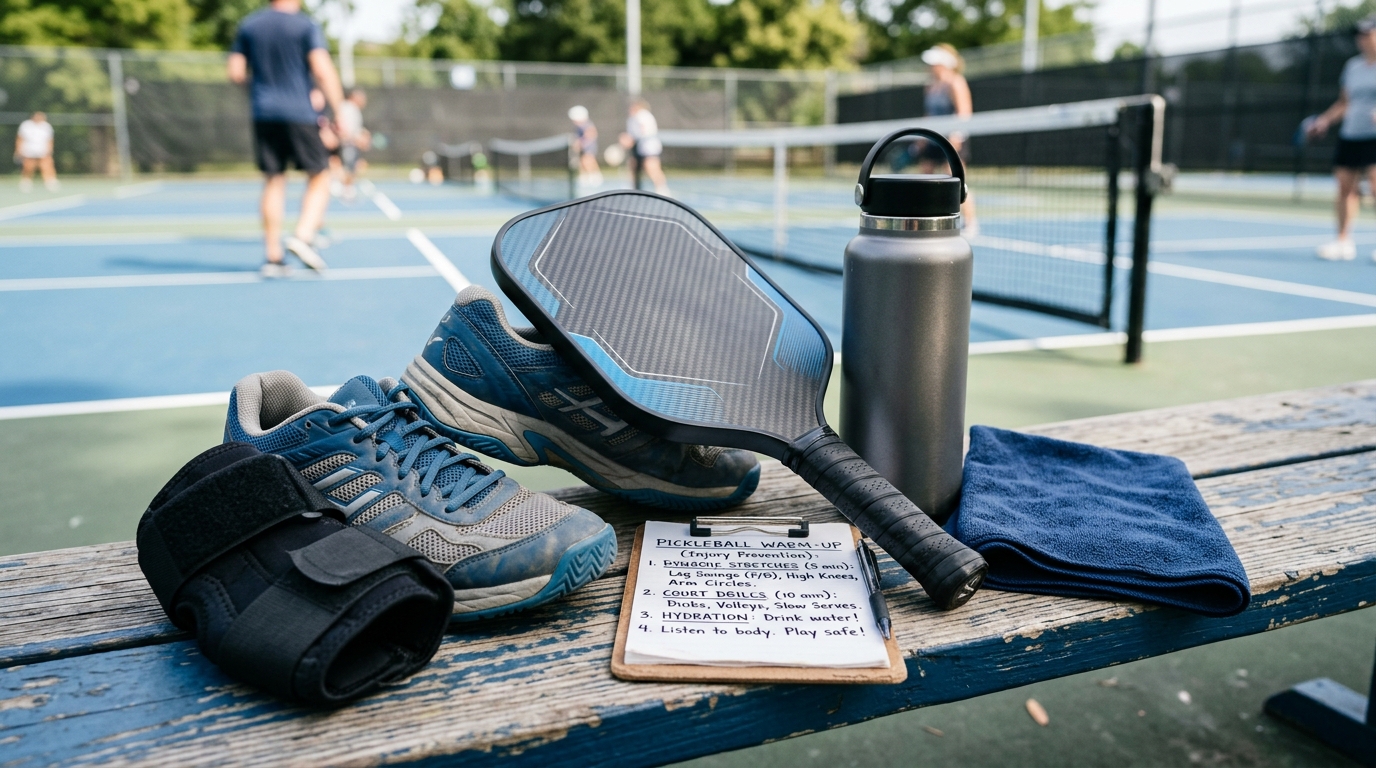
New players often underestimate how much conditioning pickleball requires. The game rewards quick reaction, balance, footwork, and repeated changes of direction. If a player has not trained those qualities, the joints and tendons may take more stress than expected. This is especially true for players who are active in daily life but not used to lateral movement.
Another issue is the “just one more game” mindset. Because pickleball is social and fun, players often continue after they are tired. Fatigue changes mechanics. Footwork gets sloppy. Reactions slow down. Players reach instead of moving their feet. They twist awkwardly instead of resetting position. Many injuries happen late in sessions when the body is no longer moving well.
Quick starts, lunges, and sudden stops
Pickleball movements can overload the lower body quickly. Lunging forward for a low ball can strain the calf, hamstring, quad, or Achilles tendon. Sudden stops can irritate the knee or ankle. Side-to-side shuffling can lead to rolled ankles, especially when the player is wearing shoes made for forward running instead of court movement. These patterns overlap with the site’s guide on Achilles tendon pain in court sports.
Footwear and court surface matter
Running shoes are designed mainly for forward motion. Pickleball requires lateral support. Wearing the wrong shoes can increase slipping, rolling, and unstable landings. A proper court shoe with side support, grip, and stability is one of the simplest injury-prevention upgrades. Players should also check the court surface. Dust, moisture, cracks, uneven areas, and crowded courts can all raise the risk of falls.
Most common pickleball injuries to watch for
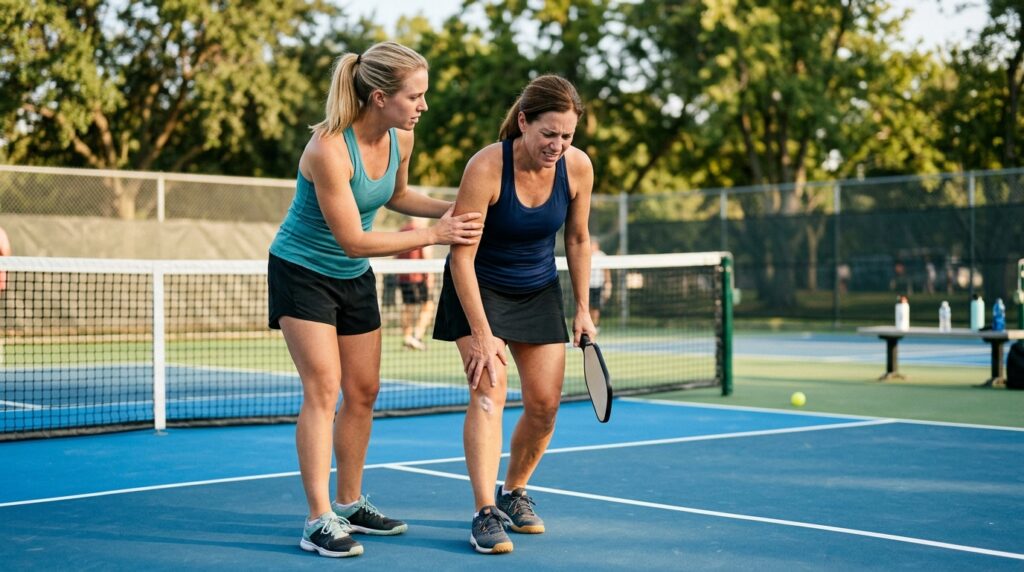
The most common pickleball injuries often involve the ankle, knee, calf, Achilles tendon, shoulder, wrist, elbow, and low back. Elbow tendinitis can develop from repetitive gripping and paddle swings. Shoulder irritation can come from reaching, overhead shots, or poor technique. Knee pain may flare from pivoting, lunging, or underlying arthritis. Wrist pain can happen when a player falls or repeatedly mishits the ball with poor paddle control.
Falls deserve special attention. A player may backpedal for a lob, trip, and land on the wrist, hip, shoulder, or knee. Older adults and players with weaker bones need to take this seriously because fractures can happen even from what looks like a simple fall. The American Academy of Orthopaedic Surgeons has warned that players should be aware of fracture risk, especially if osteoporosis or bone weakness is a concern. Readers can review AAOS guidance on reducing the risk for pickleball injuries.
Ankle, knee, calf, and Achilles warning signs
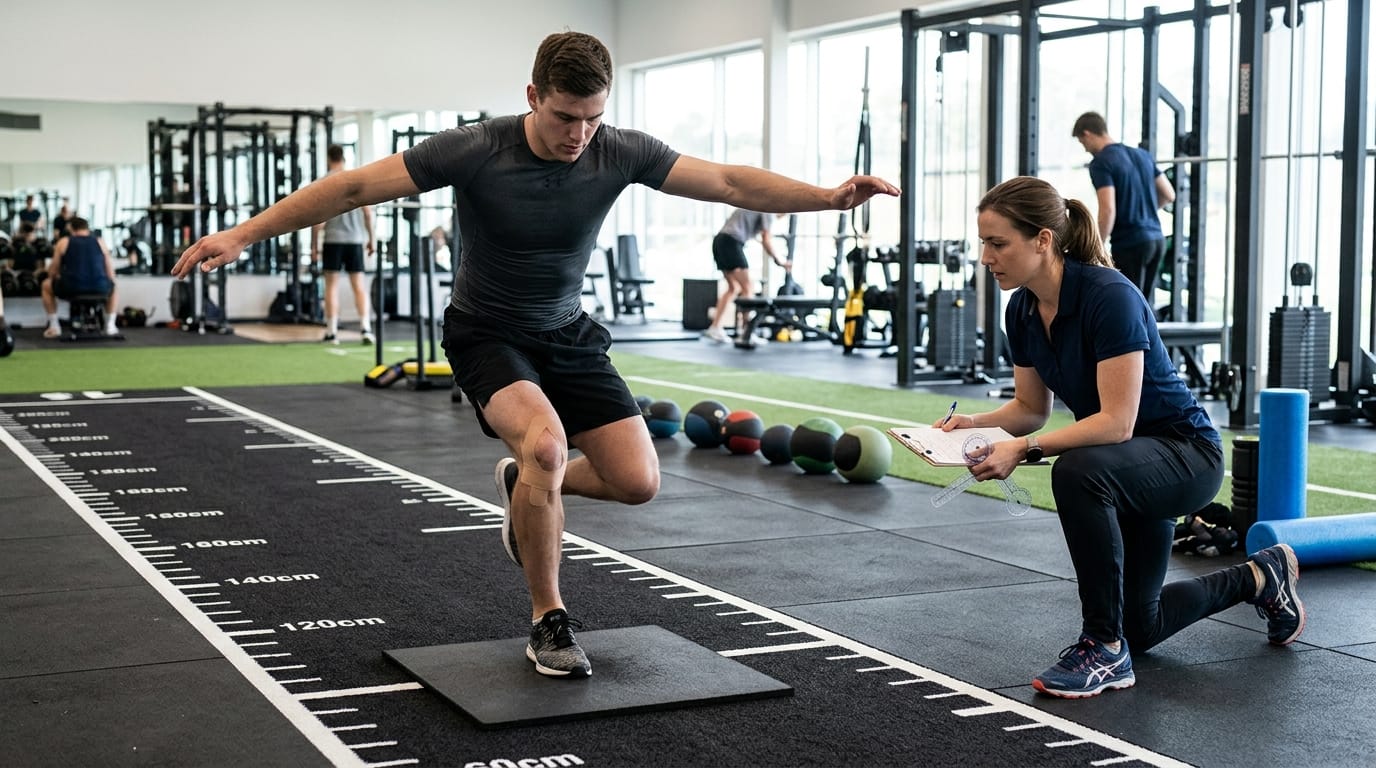
Players should not ignore swelling, limping, sharp pain, repeated giving way, morning stiffness, pain during push-off, or pain that worsens after play. A mild ache that appears once may settle with rest. A pattern that returns every match is different. Recurring pain is information. It means the body is not tolerating the current load, technique, footwear, or recovery schedule.
How to Stay on the Court Without Ignoring Pain
Preventing pickleball injuries does not mean playing scared. It means preparing like the sport matters. Start with a warm-up before every match. Walk briskly, shuffle side to side, perform gentle lunges, rotate the shoulders, practice small split steps, and do a few controlled paddle swings. The goal is to raise body temperature and wake up the joints before fast play begins.
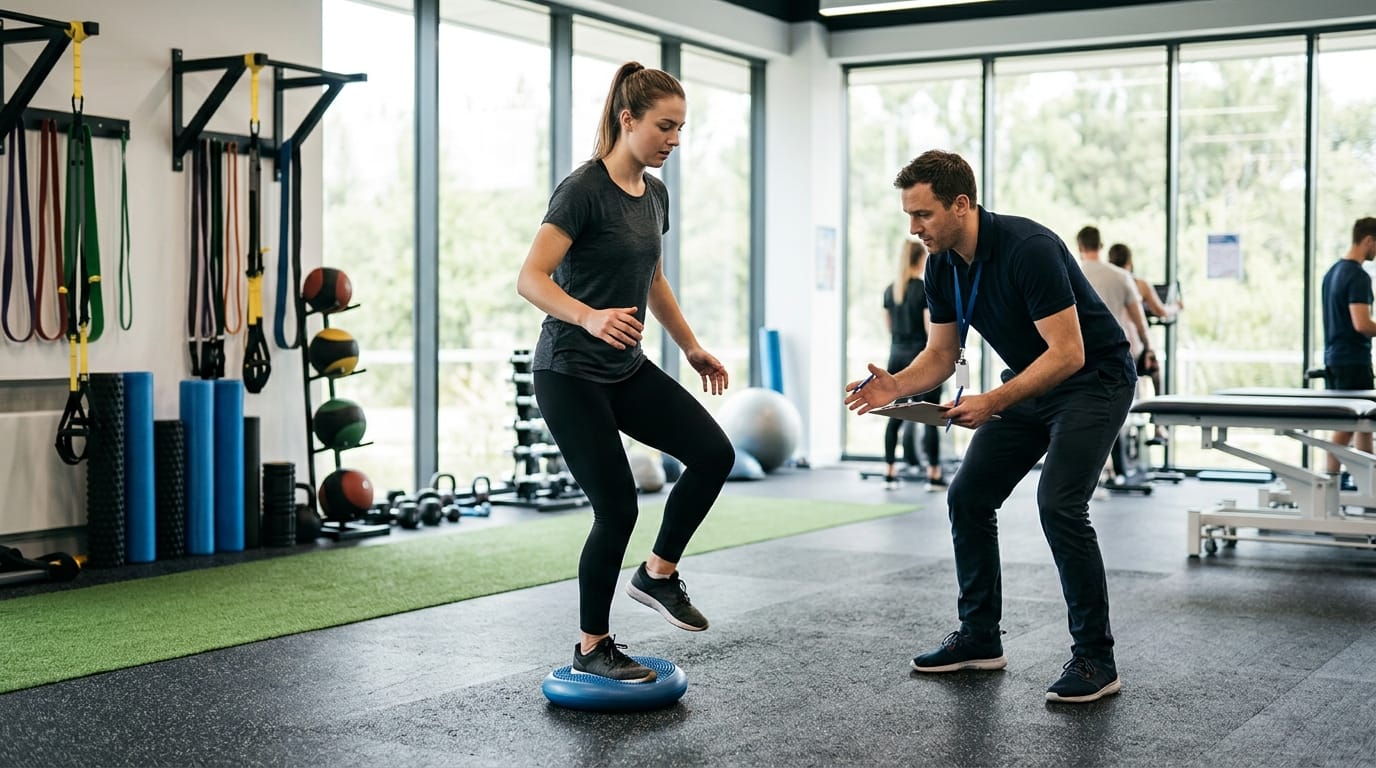
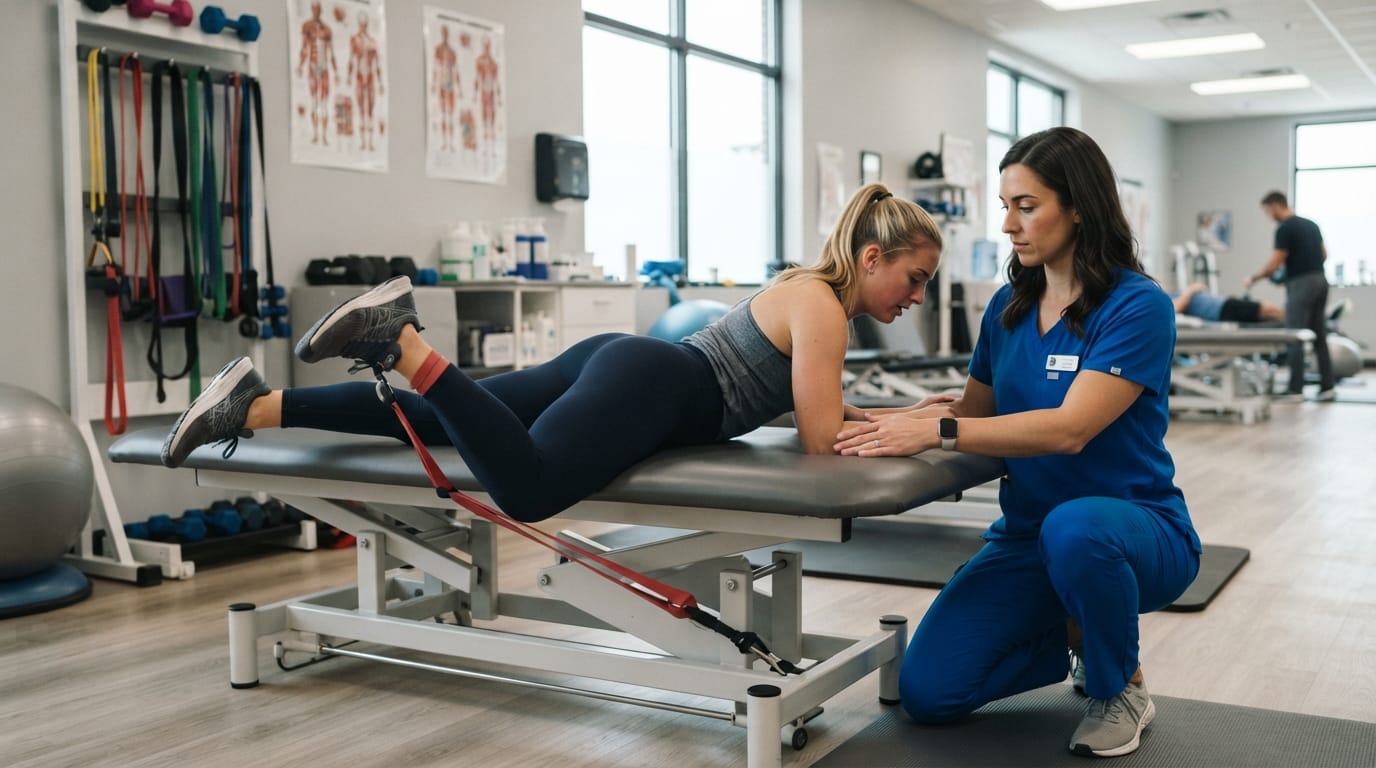
Strength training also helps. Players need calf strength, hip strength, core control, balance, shoulder stability, and grip endurance. Simple exercises like calf raises, glute bridges, step-ups, side steps with a band, squats, bird dogs, and light shoulder work can reduce stress on the joints during play. This connects well with the site’s broader injury-prevention message in ACL injury prevention, where movement quality and lower-body control are major themes.
A smart prevention plan for pickleball players
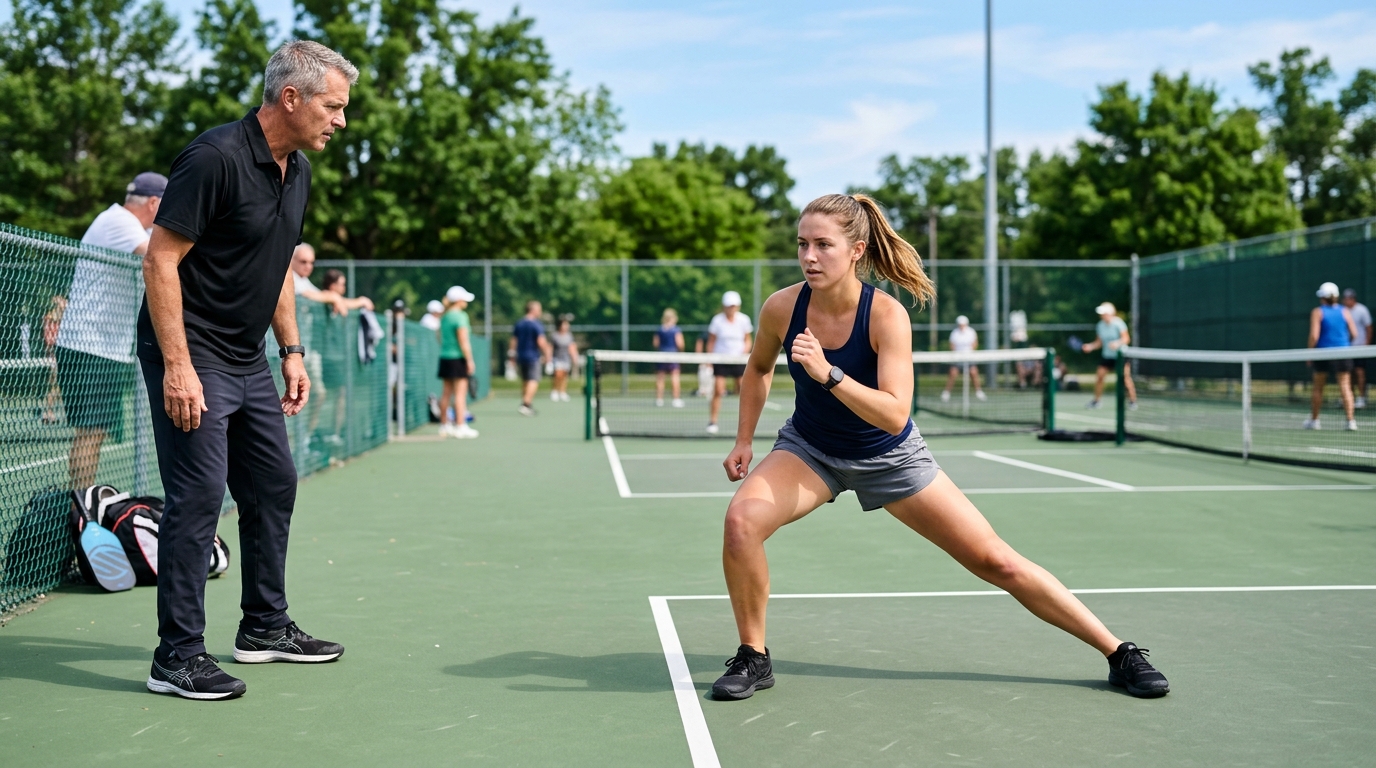
A safer weekly plan starts with gradual progression. New players should begin with shorter sessions and build slowly. Avoid playing intense matches on back-to-back days until the body adapts. Rotate partners and competition levels so every session does not become a sprint-heavy battle. If you are returning from injury, start with drills before full games.
Wearables can help track workload, heart rate, sleep, and recovery, but they should not replace body awareness. If your watch says you are ready but your knee is swollen, listen to the knee. If your app celebrates a long active streak but your Achilles is stiff every morning, reduce load. For more on this balance, read wearable tech for sports injury prevention.
When to stop playing and get checked
Stop playing if you feel a pop, sudden sharp pain, severe swelling, instability, chest symptoms, dizziness, numbness, or pain that changes your walking. Also get assessed if pain keeps returning despite rest, warm-ups, and easier sessions. Pushing through early warning signs can turn a small problem into a long recovery. If you are already injured, use structured recovery guidance such as safe recovery exercises after a sports injury.
Pickleball is popular for good reason. It is social, fun, competitive, and accessible. But accessible does not mean risk-free. The players who stay on the court longest are usually not the ones who push through everything. They are the ones who warm up, wear the right shoes, build strength, recover properly, and respond early when pain starts talking.
In conclusion, pickleball injuries in 2026 are not surprising, but many are preventable. Respect the sport, prepare your body, progress slowly, and stop treating pain as background noise. With better habits, players can enjoy the game, protect their joints, and keep showing up for more matches without turning a fun hobby into a frustrating injury cycle.
Disclaimer: This article is for general educational purposes only and is not medical advice. If you have severe pain, swelling, instability, a fall-related injury, a suspected fracture, a popping sensation, or symptoms that do not improve, contact a qualified healthcare professional.