Heat illness in athletes is becoming one of the most important sports injury prevention topics for 2026. Hotter training days, packed tournament schedules, summer camps, preseason conditioning, and year-round sports can all increase the risk of dehydration, heat exhaustion, cramps, and more serious heat-related problems. Athletes want to train hard, but training hard in dangerous heat is not toughness. It is poor planning.
Heat risk can affect runners, football players, soccer players, basketball players, tennis players, pickleball players, cyclists, field athletes, and youth athletes during outdoor practices. It can also affect indoor athletes in poorly ventilated gyms or facilities without enough cooling. The challenge is that heat illness can build quietly. An athlete may first feel tired, thirsty, dizzy, cramped, or unusually weak, then worsen quickly if the activity continues.
This topic fits naturally with the injury-prevention content already on Sports-Injuries.com, including wearable tech for sports injury prevention, Achilles tendon pain in runners and court sports, and ACL injuries in women’s soccer. Heat safety belongs in the same conversation because fatigue, poor recovery, dehydration, and overload can all increase injury risk.
Why Heat Illness in Athletes Needs More Attention
Many athletes underestimate heat because they focus only on temperature. But heat risk is not just the number on a weather app. Humidity, sun exposure, air quality, clothing, equipment, field surface, practice intensity, hydration status, sleep, illness, and conditioning level all matter. A short session in direct sun can feel harder than a longer session in cooler conditions.
The Centers for Disease Control and Prevention explains that people who exercise on hot days are more likely to become dehydrated and develop heat-related illness. The CDC recommends limiting outdoor activity during the hottest part of the day when possible, scheduling workouts earlier or later, pacing activity gradually, drinking more water than usual, and not waiting until thirst appears. Athletes, coaches, and parents can review official guidance here: CDC Heat and Athletes.
Early warning signs athletes should not ignore
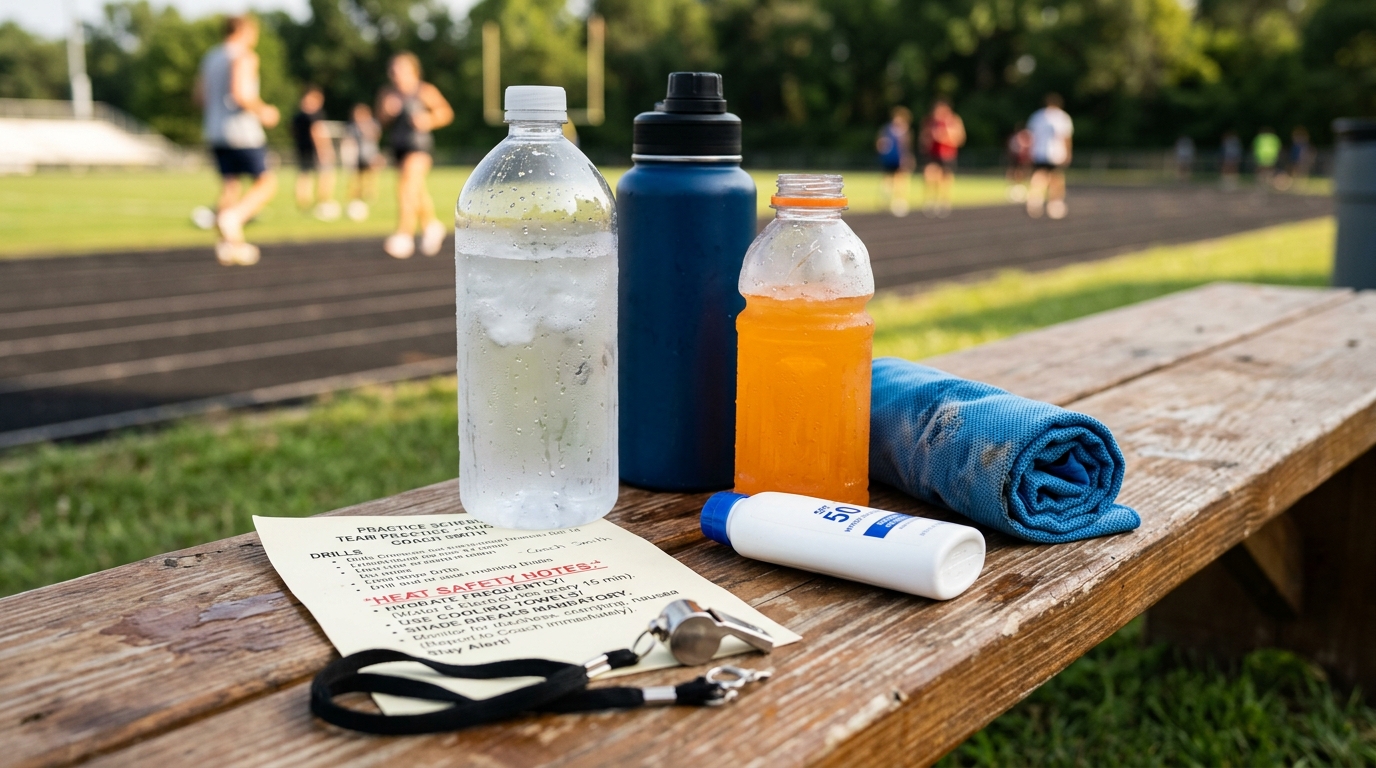
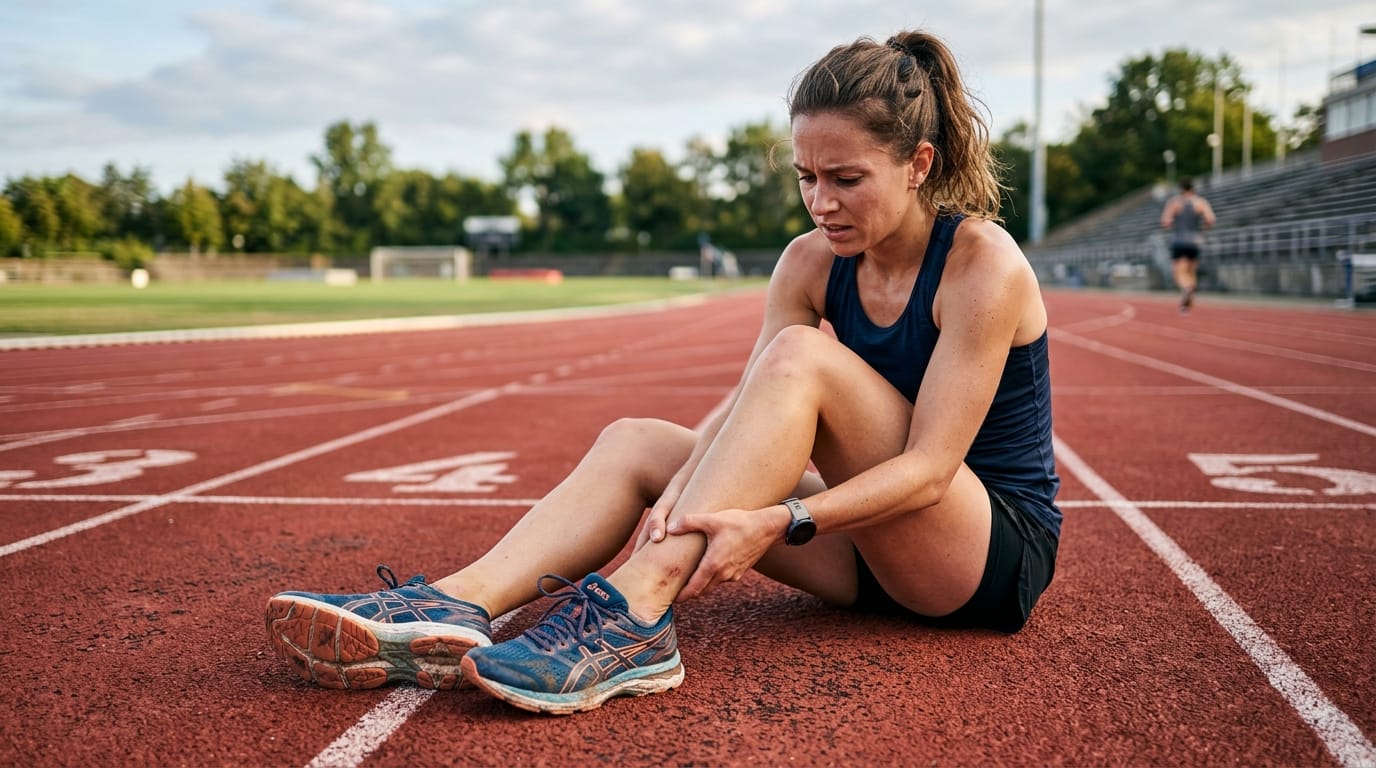
The early signs of heat illness can be easy to dismiss. An athlete may say they just feel tired, slightly dizzy, weak, nauseated, or “off.” Muscle cramping can also be an early warning sign. Some athletes may develop a headache, heavy sweating, fast heartbeat, unusual irritability, poor coordination, or trouble focusing. These symptoms deserve attention before the situation becomes more serious.
One dangerous mistake is praising athletes for pushing through obvious warning signs. Coaches and teammates should create a culture where speaking up is normal. If an athlete feels faint or weak, activity should stop and the athlete should move to a cool place. If symptoms are severe, confusing, or not improving, medical care should be sought immediately.
Heat cramps, heat exhaustion, and heat stroke are not the same
Heat cramps may involve painful muscle spasms during or after activity. Heat exhaustion may involve weakness, dizziness, nausea, heavy sweating, headache, or faintness. Heat stroke is a medical emergency and may involve confusion, collapse, very high body temperature, altered mental status, or loss of consciousness. Athletes and coaches do not need to diagnose perfectly on the field. They need to respond quickly, stop activity, cool the athlete, and get help when warning signs appear.
Young athletes may hide symptoms to keep playing
Youth athletes may not want to disappoint coaches, parents, or teammates. Some may fear losing playing time. Others may not understand what their body is telling them. That is why heat safety cannot depend only on athletes asking for help. Coaches should schedule breaks, monitor behavior, watch for poor coordination, and encourage teammates to look out for one another.
Why heat risk increases injury risk too
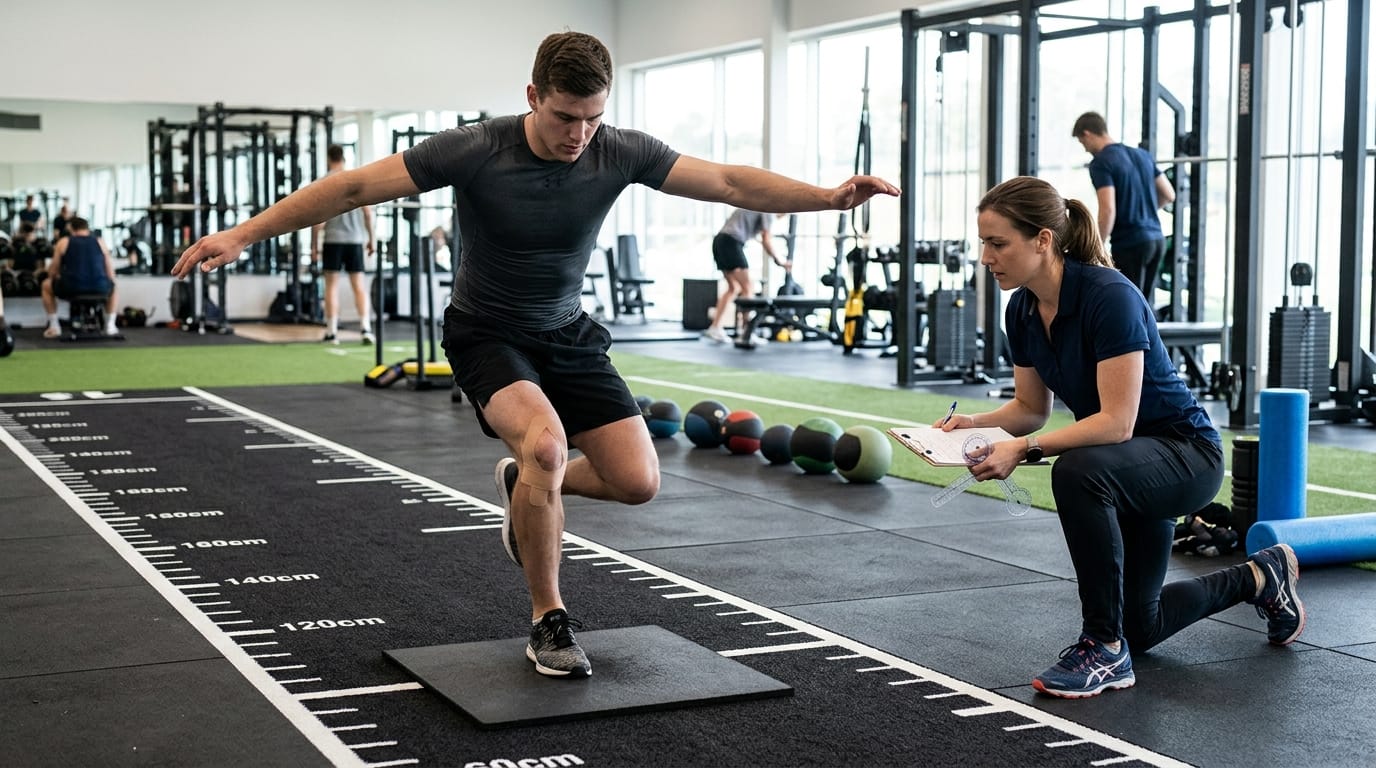
Heat illness is not the only concern. Heat can also make ordinary sports injuries more likely. When athletes are dehydrated, overheated, or fatigued, movement quality can drop. Landings may become sloppy. Cutting mechanics may get worse. Reaction time may slow. Muscles may feel heavier. An athlete who normally moves well may start compensating late in practice.
This matters for knee, ankle, tendon, and muscle injuries. A tired soccer player may land with less control. A runner may ignore early calf tightness. A court-sport athlete may push through Achilles stiffness during a hot tournament. That is why the article on Achilles tendon pain is a useful internal link here. Heat does not cause every overuse injury, but it can make poor load management worse.
Wearables can help, but body signals still matter
Smartwatches and training apps may help athletes notice rising heart rate, poor recovery, sleep problems, or unusual training strain. But a wearable should not override obvious symptoms. If an athlete feels dizzy, confused, weak, nauseated, or faint, the answer is not to check a readiness score and keep going. The answer is to stop, cool down, hydrate safely, and get help if needed. For more context, read wearable tech for sports injury prevention.
How to Build a Safer Heat Training Plan
Preventing heat illness in athletes starts before practice. Coaches should check weather, heat risk, humidity, field conditions, and practice intensity. Parents should send athletes with water, appropriate clothing, sunscreen, and a plan for recovery. Athletes should avoid showing up under-fueled, dehydrated, or exhausted from poor sleep.
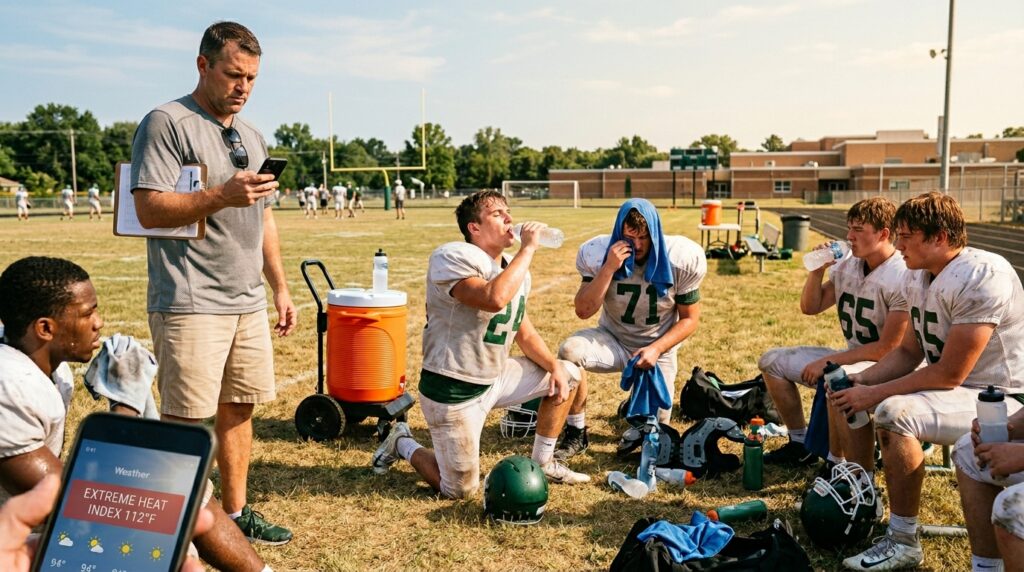
Practice timing matters. Early morning or evening sessions are usually safer than training during peak heat. If the schedule cannot be changed, intensity should be adjusted. That may mean shorter drills, more rest, shaded recovery areas, extra water breaks, lighter equipment, and fewer high-intensity repetitions. Heat safety should be written into the training plan, not improvised after someone gets sick.
Hydration, acclimatization, and recovery basics
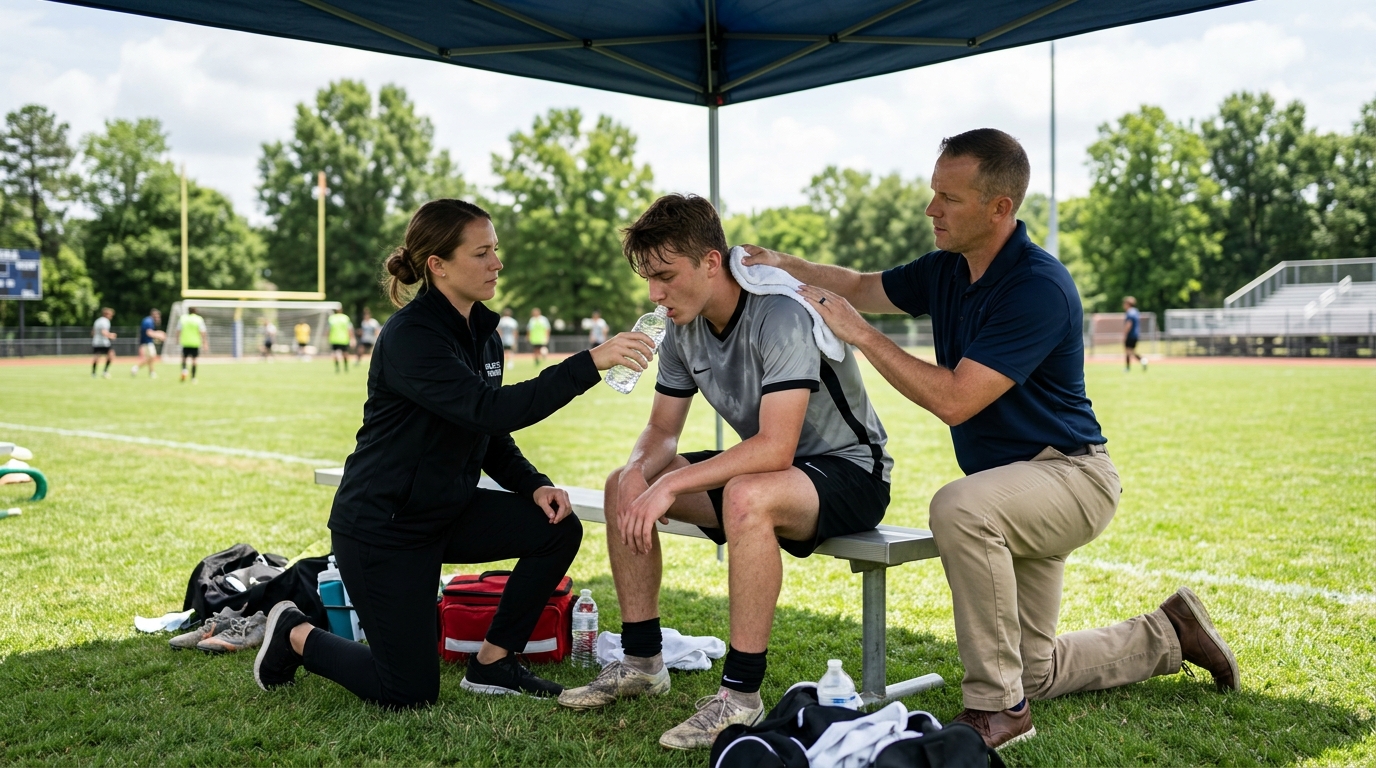
Hydration should begin before practice, not halfway through it. Athletes should drink regularly and avoid waiting until they feel extremely thirsty. During longer or very sweaty sessions, some athletes may need electrolytes, especially when they are losing a lot of salt through sweat. Coaches should make water breaks normal and frequent, not a reward.
Acclimatization also matters. Athletes returning from time off, moving into preseason, or traveling to hotter climates should build exposure gradually. The body needs time to adapt to heat. Jumping straight into long, intense practices can increase risk. This is similar to injury prevention in general: sudden workload spikes create problems. The same principle appears in ACL prevention, tendon care, and recovery planning.
Return to play after heat symptoms should be conservative
An athlete who develops heat symptoms should not be rushed back into the same session. Even if they feel better after water and shade, the body may still need time to recover. Coaches should involve athletic trainers or healthcare professionals when symptoms are significant. After any serious heat illness, return to play should be guided by medical advice, not pressure from a game schedule.
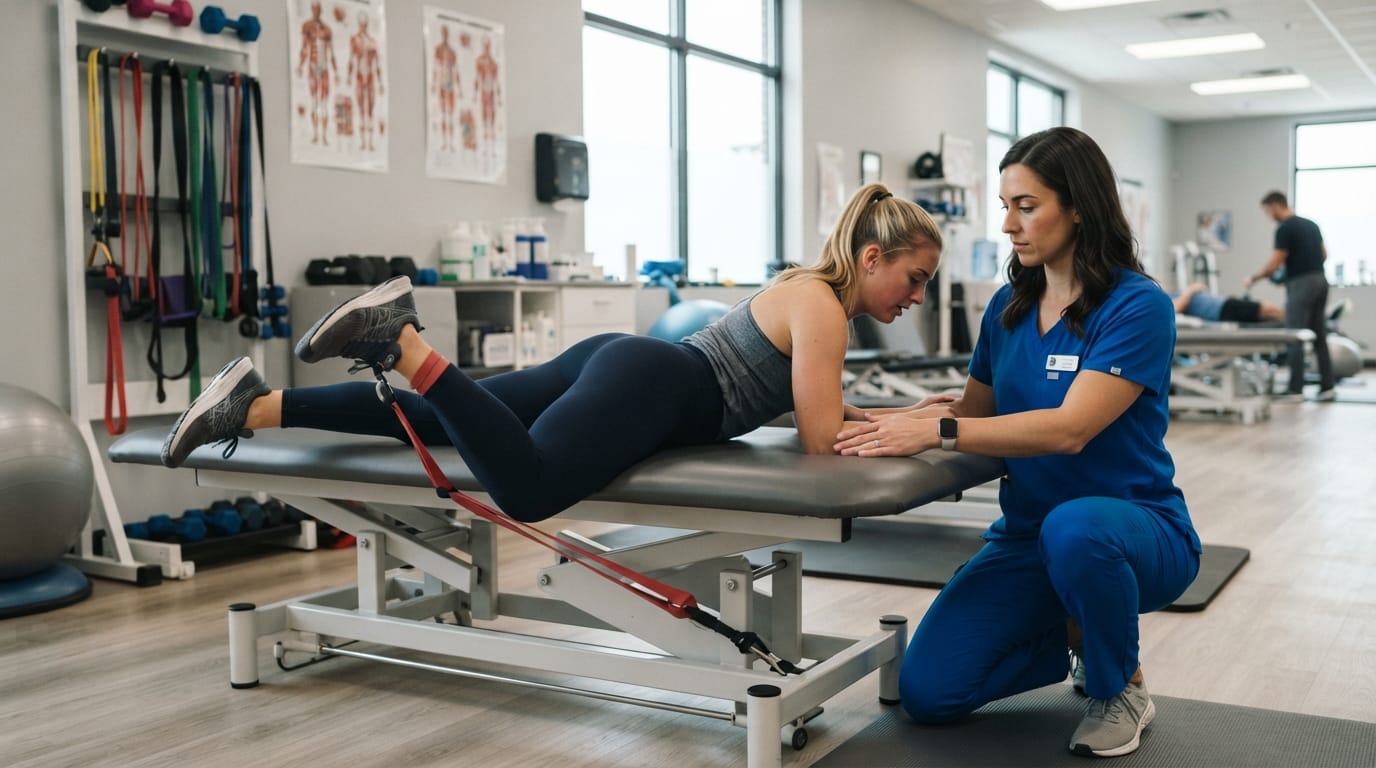
Recovery should also include sleep, nutrition, mobility, and gradual return to normal intensity. Sports-Injuries.com already has helpful recovery resources, including Sports Injury Recovery: Expert Tips for a Faster Healing Process and The Best Exercises for Safe Recovery After a Sports Injury. Heat-related setbacks deserve the same careful approach as muscle, tendon, or joint injuries.
In conclusion, heat illness in athletes is preventable when teams take it seriously. The safest programs plan around heat, schedule smarter practices, encourage hydration, watch warning signs, adjust workload, and make it acceptable for athletes to speak up. Training in hot conditions should never be a test of who can ignore symptoms the longest. The better goal is simple: athletes should be able to train, compete, recover, and stay healthy enough to keep playing.
Disclaimer: This article is for general educational purposes only and is not medical advice. If an athlete has fainting, confusion, collapse, severe weakness, worsening symptoms, trouble cooling down, or signs of heat stroke, seek emergency medical care immediately.