Turf vs grass injuries are still one of the most debated topics in sports safety in 2026. Athletes, coaches, parents, schools, leagues, and facility managers all want the same thing: a playing surface that supports performance without increasing injury risk. The problem is that the answer is not always simple. Natural grass can be safer in some situations, but poor grass fields can also become uneven, slippery, hard, or full of divots. Artificial turf can offer consistency and durability, but it may also change traction, heat exposure, and how the foot grips during cutting movements.
This matters most in sports that involve sprinting, stopping, jumping, pivoting, and rapid direction changes. Soccer, football, lacrosse, rugby, field hockey, and ultimate frisbee all place heavy demand on the lower body. When the foot sticks too much or the surface does not give way at the right moment, stress can travel into the ankle, knee, hip, or muscle-tendon system.
The goal is not to panic every time an athlete plays on artificial turf. The smarter goal is to understand how surface, footwear, weather, fatigue, and movement quality work together. Turf vs grass injuries rarely come from one factor alone. The surface matters, but so does preparation.
Why Turf vs Grass Injuries Are Still a Major Safety Question
Turf vs grass injuries remain a major safety question because modern sports surfaces have changed. Older artificial turf felt harder and less forgiving than many newer systems. Newer turf fields often include synthetic fibers, infill material, shock pads, drainage layers, and maintenance requirements. Because surfaces vary so much, one artificial field may not behave like another. The same is true for grass. A well-maintained natural grass field can feel very different from a dry, patchy, uneven field late in a season.
This is why research can look mixed. Some studies suggest certain injuries may occur more often on artificial turf, especially foot and ankle problems. Other research finds similar or even lower overall injury incidence on artificial surfaces in some football settings. Instead of treating all turf as dangerous or all grass as safe, athletes should look at the full injury picture: surface quality, sport demands, footwear, weather, and workload.
This topic connects naturally with Sports-Injuries.com’s existing article on ACL Injuries in Women’s Soccer in 2026. ACL injury risk does not come from surface alone. It can also involve cutting mechanics, landing control, fatigue, workload, strength, recovery, and field conditions.
Surface traction can change how the body moves
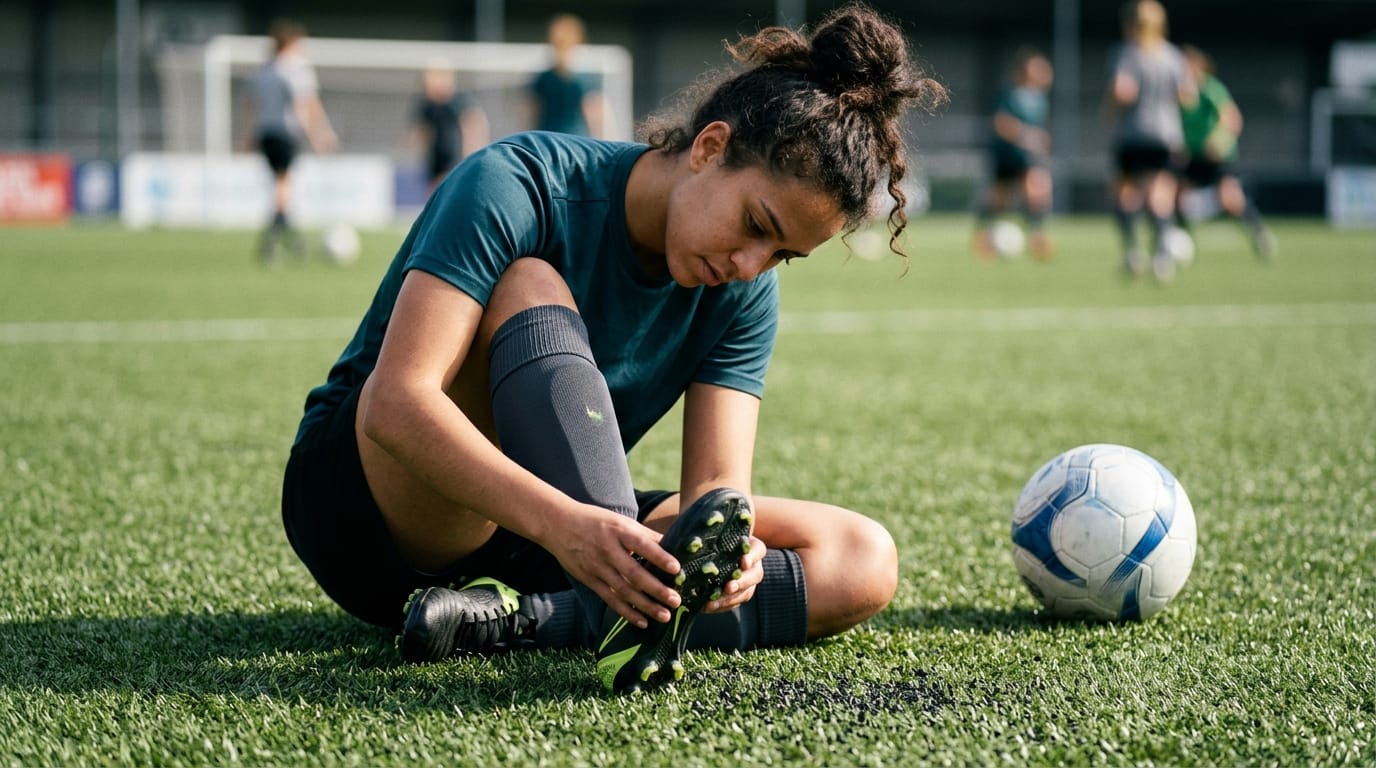
Traction is one of the biggest issues in the turf vs grass injuries debate. Athletes need enough grip to sprint, cut, and stop safely. Too little traction can cause slipping. Too much traction can make the foot stick while the body keeps rotating. That can place more stress on the ankle, knee, and lower leg.
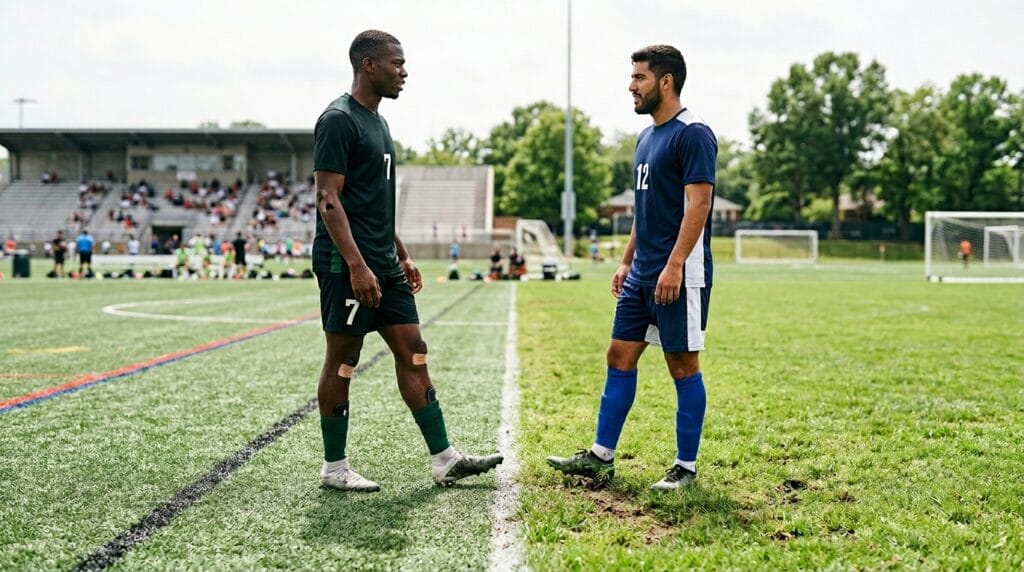
Think about a soccer player planting one foot to change direction. If the cleat releases smoothly, the body can rotate with less strain. If the shoe grips too aggressively, the knee may absorb more twisting force. Similar problems can happen in football, lacrosse, rugby, and other cutting sports.
Surface traction also changes during the day. A field may feel different after rain, during heat, after heavy use, or when infill has shifted. Athletes often notice this before anyone measures it. If the field feels sticky, slippery, unusually hard, or unstable, that information matters.
Footwear and cleats should match the surface
Footwear can reduce or increase risk. Long studs, aggressive cleat patterns, worn-out shoes, or using grass cleats on some turf surfaces can affect how the foot grips. Athletes should choose shoes designed for the surface they are playing on. Coaches and parents should also check whether young athletes are wearing old cleats that no longer support stable movement.
One pair of shoes may not work for every field. A player who trains on turf during the week and competes on grass during the weekend may need different footwear options. This is not about buying expensive gear for the sake of it. It is about avoiding poor traction choices that add unnecessary stress to the body.
Heat and field condition also matter
Artificial turf can feel much hotter than grass during warm weather, especially under direct sun. That extra heat can affect comfort, fatigue, hydration, and performance. When athletes tire faster, movement quality often drops. Poor movement under fatigue can increase injury risk, particularly late in games or practices.
This connects with Heat Illness in Athletes in 2026. Heat safety should be part of the playing-surface discussion. Coaches should consider surface temperature, shade, hydration breaks, practice timing, and athlete warning signs. A field does not need to cause a direct injury to create conditions that make injuries more likely.
Which injuries are most often discussed with artificial turf?
The most common concerns around artificial turf involve lower-body injuries. Athletes and sports medicine professionals often discuss ankle sprains, foot injuries, knee injuries, ACL tears, muscle strains, and abrasions. Not every injury is more common on turf across every sport, age group, or field type. However, the concern is strong enough that athletes should take surface preparation seriously.
Foot and ankle injuries get special attention because the foot is the first point of contact with the field. If the surface creates more grip or rotational resistance, the foot and ankle may absorb extra force. Knee injuries also matter because cutting and pivoting can send stress up the kinetic chain. Hamstring, calf, and groin strains may also appear when athletes sprint hard, decelerate quickly, or move on a surface that changes how they push off.
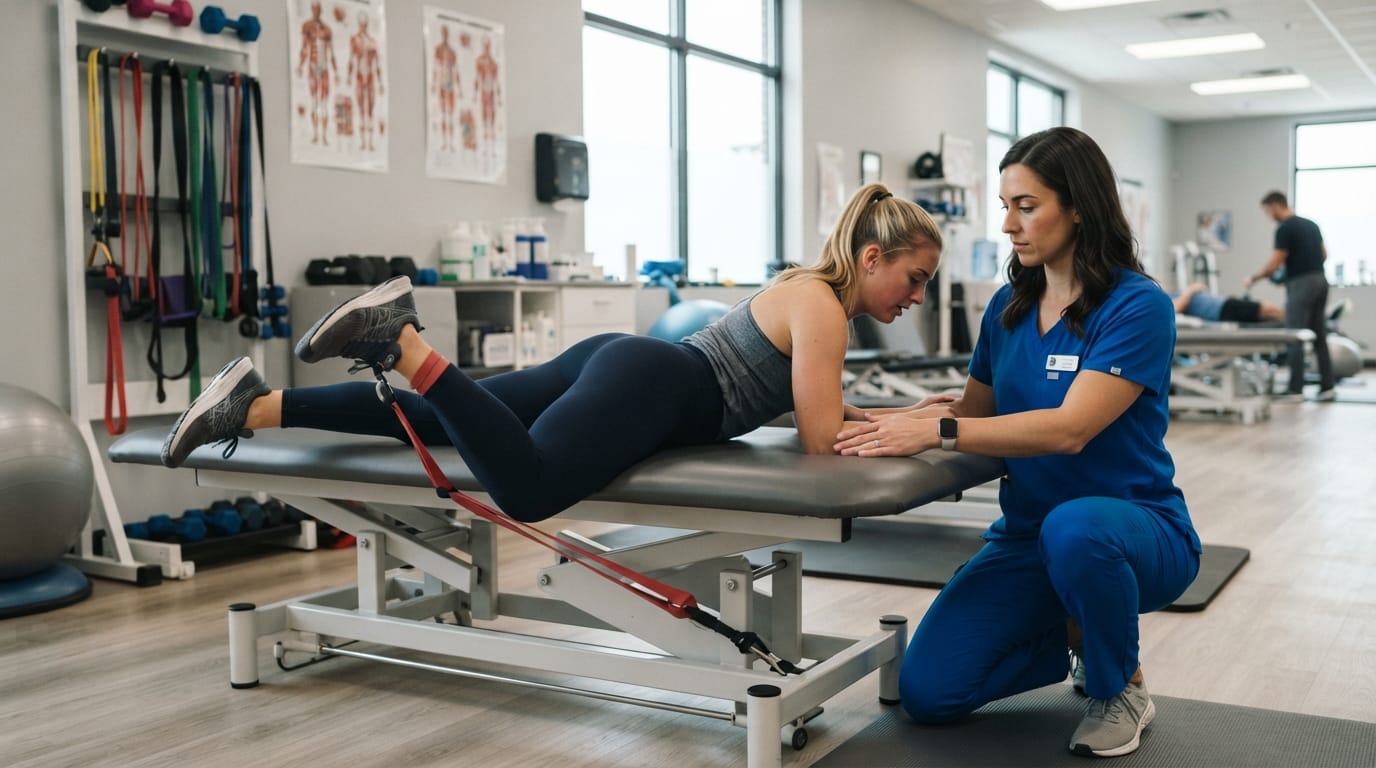
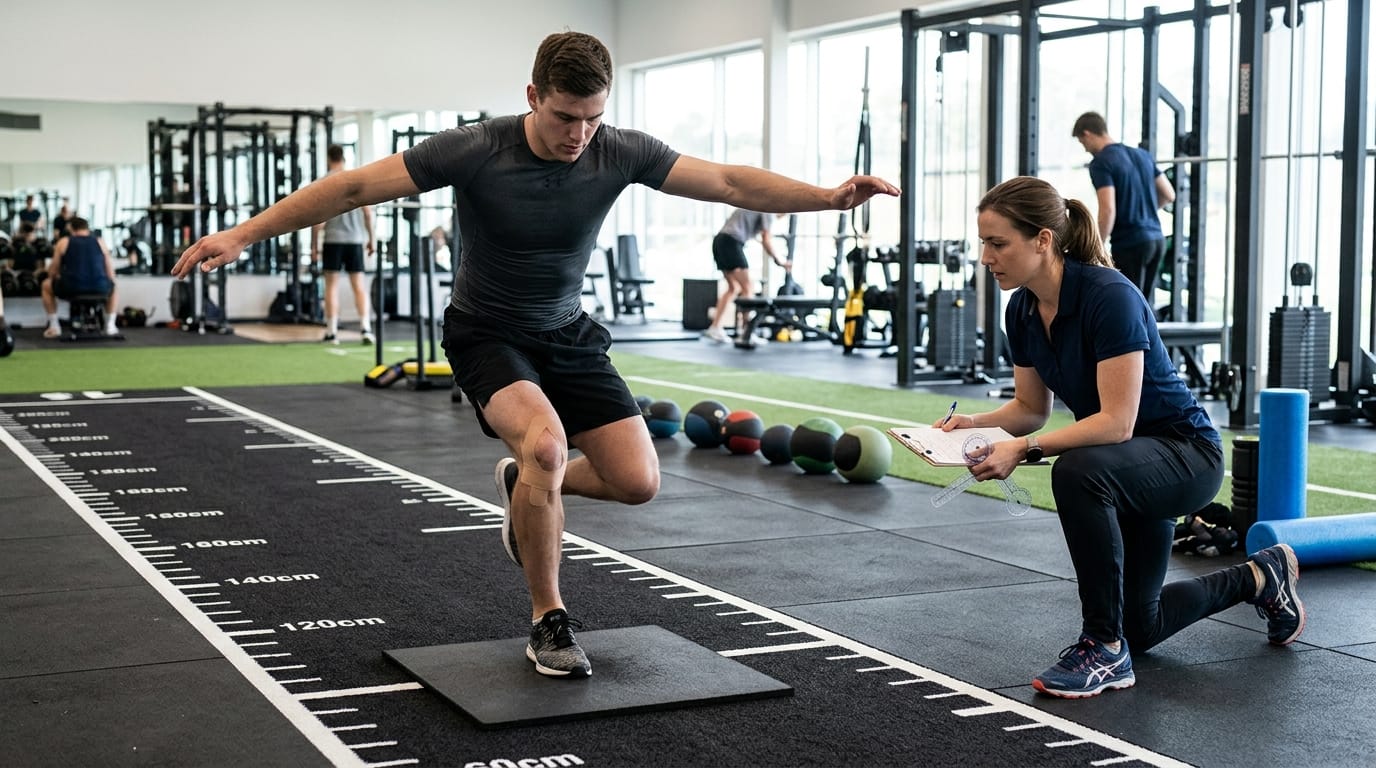
Players recovering from previous injuries should be more careful. A knee that lacks strength, an ankle that still feels unstable, or a hamstring that has not rebuilt full capacity may struggle with surface changes. This is where Strength Training for Injury Prevention in 2026 becomes useful. Better strength and control can help athletes handle different surfaces with more confidence.
ACL, ankle, and muscle injuries need different prevention plans
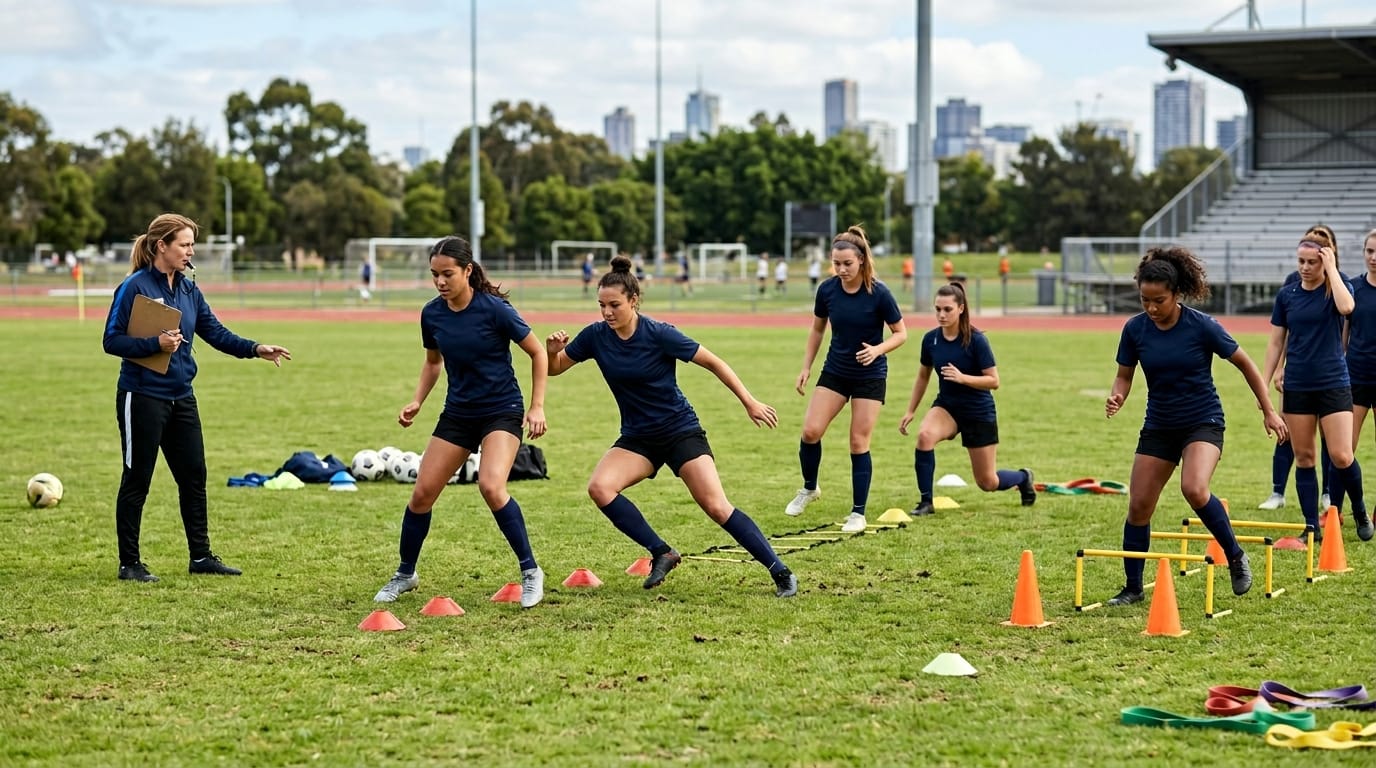
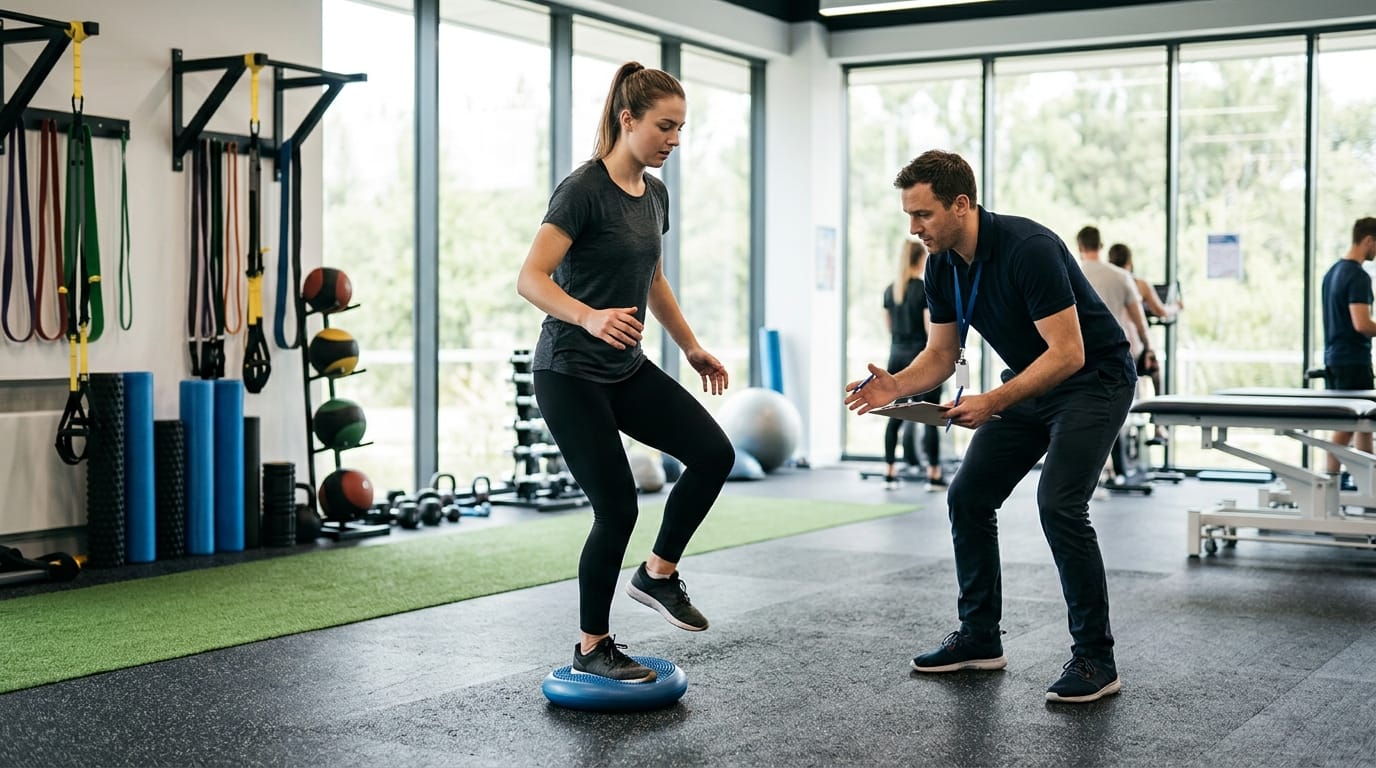
An ACL prevention plan should include landing mechanics, cutting control, hip strength, hamstring strength, balance, deceleration training, and fatigue awareness. An ankle prevention plan may focus more on balance, calf strength, foot control, proprioception, bracing when appropriate, and surface-specific footwear. Muscle strain prevention often requires gradual sprint exposure, warm-ups, recovery, and workload management.
That means one generic warm-up is not enough for every athlete. A soccer player with prior ACL surgery, a football player with ankle instability, and a sprinter with recurring hamstring tightness may all need different preparation even if they use the same field. Surface risk should be matched with the athlete’s history.
How Athletes Can Lower Injury Risk on Any Playing Surface
Athletes cannot always choose the field. A school, league, tournament, or facility may decide where games happen. However, athletes can control preparation. The best approach is to treat the playing surface as one part of a larger injury prevention system.
Start with a proper warm-up. Cold muscles and stiff joints do not handle sudden cutting well. A good warm-up should gradually raise body temperature, activate the hips and core, prepare the ankles and knees, and include sport-specific movements. Jogging alone is not enough. Athletes should add lateral shuffles, controlled cuts, skips, balance drills, short accelerations, and deceleration practice.
Next, manage workload. Playing on turf after a sudden increase in practices, tournaments, or high-intensity sessions may raise risk because the body is already under stress. Wearable data can help if athletes use it wisely. Your article on Wearable Tech for Sports Injury Prevention in 2026 explains how training load, recovery, sleep, and readiness metrics can support better decisions when combined with body awareness.
Pre-game checks should become normal
Before games or practices, athletes should check the field instead of assuming it is safe. Walk the surface. Look for uneven areas, loose seams, worn turf, low infill, hard spots, puddles, holes, exposed edges, slippery patches, or debris. On grass, check for divots, muddy zones, dry hard ground, and uneven transitions. A few minutes of field awareness can prevent avoidable problems.
Coaches should build this habit into team culture. A player who reports a bad area of the field should not be brushed off. Field conditions affect safety. If a surface problem cannot be fixed immediately, drills can be moved, routes can be adjusted, or high-speed work can be reduced in the risky area.
Athletes should also test traction during warm-up. If shoes stick too much, slide too easily, or feel unstable, change footwear when possible. If no better footwear option is available, adjust movement demands. Avoid unnecessary maximum-effort cuts during warm-up, and be more cautious with aggressive drills.
What to do if pain starts after playing on turf or grass
Pain after playing on turf or grass should not be ignored, especially if it affects walking, cutting, jumping, sprinting, or normal daily movement. Athletes should note where the pain is, when it started, what surface they played on, what shoes they used, and whether the field felt sticky, hard, slippery, or uneven.
Stop guessing if symptoms worsen, cause swelling, create instability, or return every time the athlete plays. A sports medicine professional can assess the injury, movement quality, strength, footwear, and return-to-play plan. The goal is not only to treat pain. The goal is to understand why the athlete became vulnerable in that moment.
Mass General Brigham offers a helpful sports medicine overview of the turf vs grass discussion and explains why surface conditions, athlete movement, and injury type all matter. You can read their guide here: Mass General Brigham turf vs grass injuries guide.
The practical takeaway is simple. Turf vs grass injuries are not only about choosing one surface and blaming the other. Athletes need safer fields, better maintenance, smarter footwear, stronger bodies, and training plans that respect fatigue. Natural grass should be well kept. Artificial turf should be maintained, tested, cooled when needed, and inspected regularly. Both surfaces can become risky when neglected.
For athletes, the best protection is preparation. Warm up with purpose. Choose shoes for the surface. Speak up about unsafe field conditions. Adjust training in heat. Build strength before the season gets intense. Track workload instead of chasing every session at full speed. Pay attention when the body sends early warning signs.
Turf vs grass injuries will stay in the sports safety conversation because athletes play faster, train harder, and compete year-round. Surface quality matters, but it is only one piece of the injury puzzle. The athletes who stay healthiest are usually the ones who combine smart preparation, honest recovery, good coaching, and safer playing environments.
Disclaimer: This article is for general educational purposes only and is not medical advice. Athletes with pain, swelling, instability, loss of motion, numbness, sudden weakness, or symptoms that worsen after activity should consult a qualified medical professional.