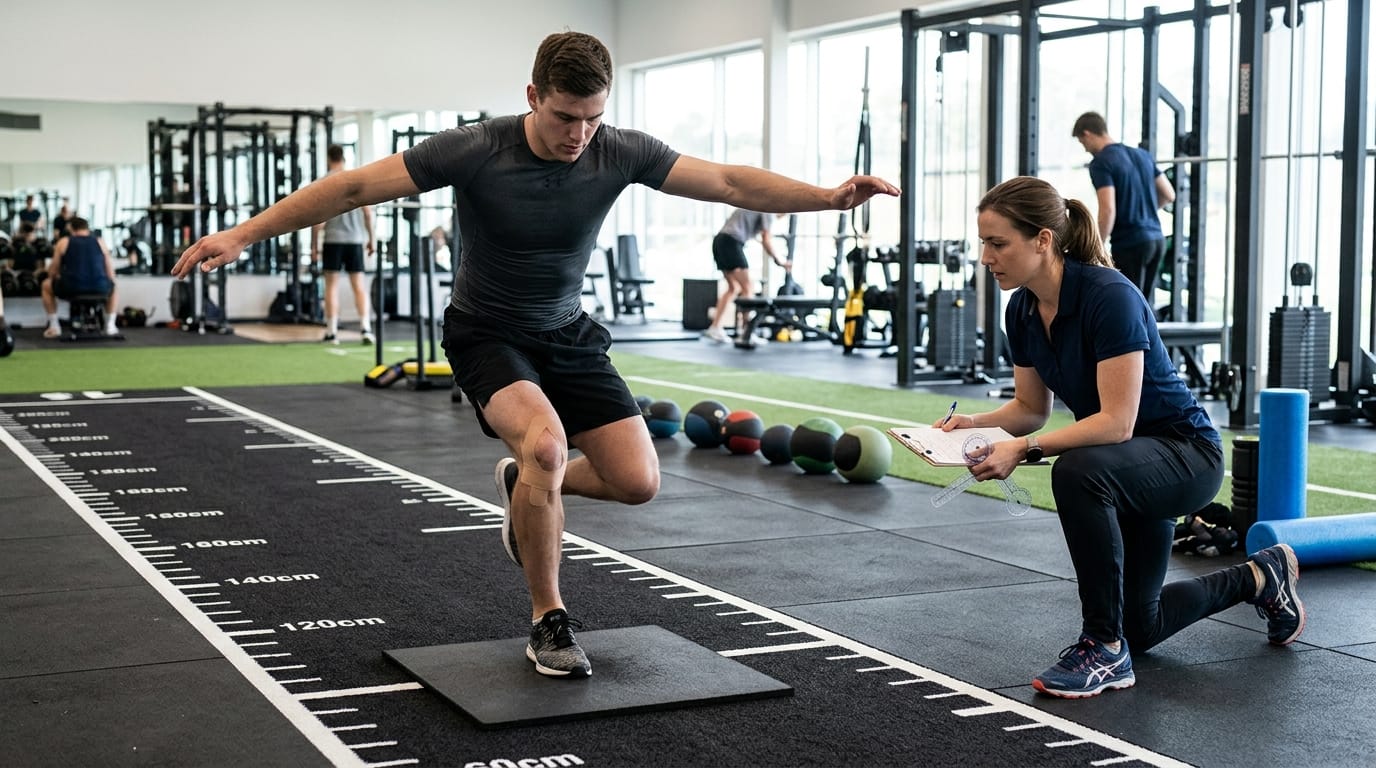

Hamstring injury rehabilitation is getting new attention in 2026 because athletes still experience repeat strains despite years of research on recovery.
A hamstring strain can seem simple at first. An athlete feels a sharp pull while sprinting, stops training, rests for a few days, and waits for the pain to settle.
However, feeling better is not always the same as being ready for full-speed sport.
A major 2026 review of hamstring rehabilitation research found wide variation in the way programs are designed. Strengthening, flexibility work, progressive running, and agility were common, but researchers found no single standardized program that works as a universal blueprint.
The review also highlighted a major problem. Many studies did not clearly describe how athletes progressed exercises or how return-to-sport decisions were made.
For runners, soccer players, football players, rugby athletes, and anyone involved in sprinting sports, that makes structured rehabilitation especially important.
Why Hamstring Injury Rehabilitation Needs More Than Rest
Hamstring injuries are common in sports that involve sprinting, rapid acceleration, kicking, and sudden changes of direction.
The muscles at the back of the thigh help extend the hip and bend the knee. They also work hard when the leg swings forward during high-speed running.
A strain can reduce strength, range of motion, coordination, and the ability to produce force during sprinting.
Even after the athlete returns to sport, some deficits may remain. That may help explain why previous hamstring injury is an important risk factor for another strain.
Recovery therefore needs to rebuild capacity rather than simply wait for soreness to disappear.
What the New 2026 Hamstring Review Found
The September 2026 scoping review examined 137 articles involving hamstring muscle injury rehabilitation.
Researchers found that more than half of the included literature was secondary research, such as reviews, rather than original clinical trials.
Only a smaller portion of the evidence came from higher-level studies. Rehabilitation programs also differed widely in exercise choice, frequency, duration, and progression.
Among the most frequently reported approaches were eccentric strengthening, flexibility exercises, progressive running, neuromuscular work, and agility training.
That does not mean every athlete needs every method at the same time.
The key message is that hamstring recovery usually involves several stages rather than one exercise or one stretch.
There Is No Single Perfect Hamstring Rehab Program
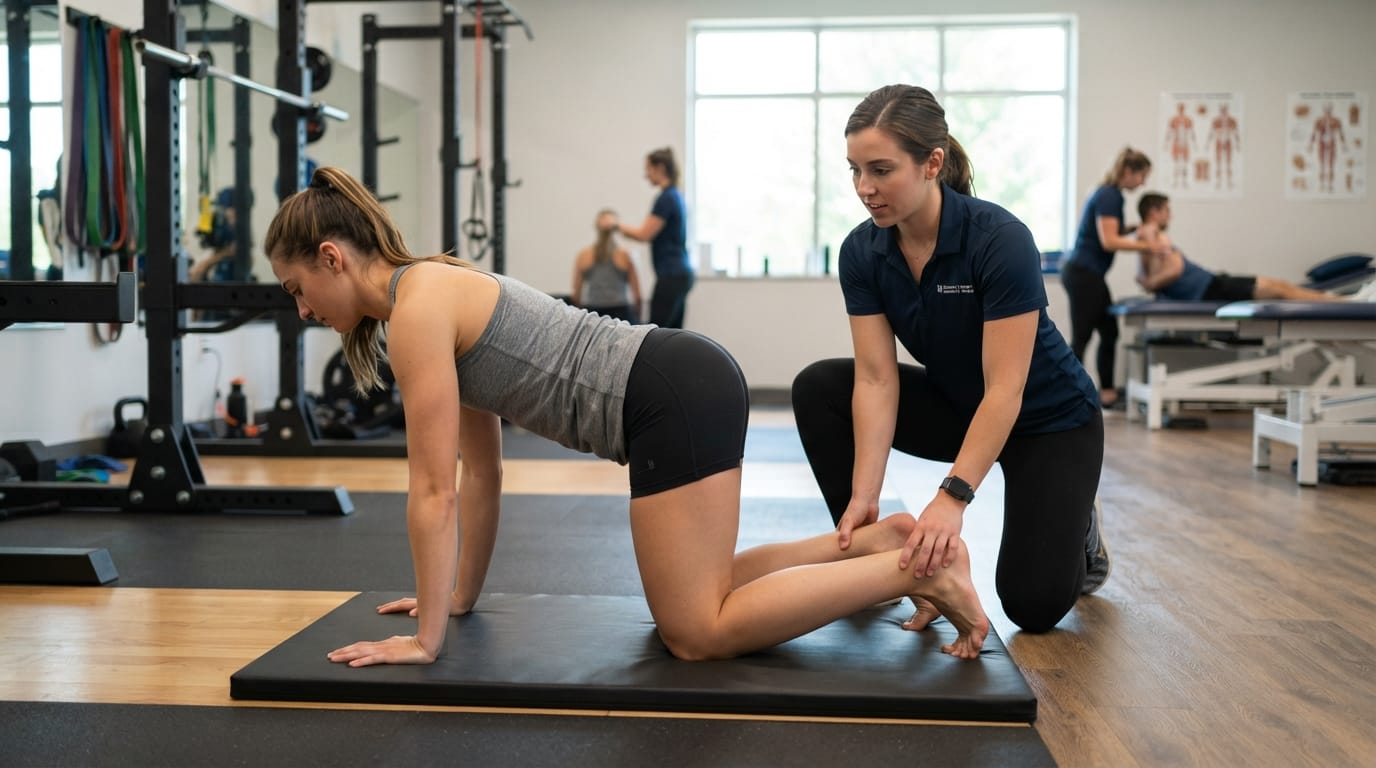
The review identified around 40 different rehabilitation strategies across the published literature.
That level of variation makes it difficult to claim that one exact program is best for everyone.
A sprinter with a high-speed running injury may need a different progression from a recreational athlete who strained the hamstring during a slower movement.
Location and severity also matter. Some injuries affect the muscle belly, while others involve tissue closer to a tendon.
Training history, previous injuries, strength, sport demands, and competition schedule can all change the plan.
This is why copying a rehabilitation routine from social media may not be enough.
A qualified sports medicine professional or physical therapist can adjust the program based on how the injury responds.
Being Pain-Free Is Not the Same as Being Ready to Compete
Another important finding involved return-to-sport decisions.
Only 43.5% of primary research articles reported clear return-to-sport criteria. Pain resolution was one of the most common criteria.
Pain matters, but it should not be the only question.
An athlete might walk and jog without discomfort while still lacking strength during high-speed running.
Others may feel normal during everyday activity but develop symptoms when sprinting, kicking, or accelerating.
A stronger return-to-sport assessment may also consider strength, range of motion, sprint tolerance, sport-specific movement, confidence, and side-to-side differences.
This principle matches the broader message in our sports injury recovery guide: recovery should rebuild function rather than simply chase the fastest possible return.
Progressive Loading Helps Rebuild Hamstring Capacity
Modern rehabilitation generally moves from lower-load work toward more demanding sport-specific activity.
Early phases may focus on comfortable movement and gradually restoring strength.
As symptoms settle, exercises can become more challenging. The athlete may begin loading the hamstrings through longer muscle lengths, higher resistance, faster movements, and eventually running.
The progression should match tolerance.
Doing too much too early can irritate the injury. Staying at very easy exercises for too long may also leave the athlete underprepared for sport.
Eccentric Strength and Progressive Running Both Matter
Eccentric exercises load a muscle while it lengthens. They appear frequently in hamstring rehabilitation research because sprinting places high eccentric demands on the hamstrings.
However, strengthening inside a gym does not fully reproduce high-speed running.
That is why progressive running is another commonly reported strategy.
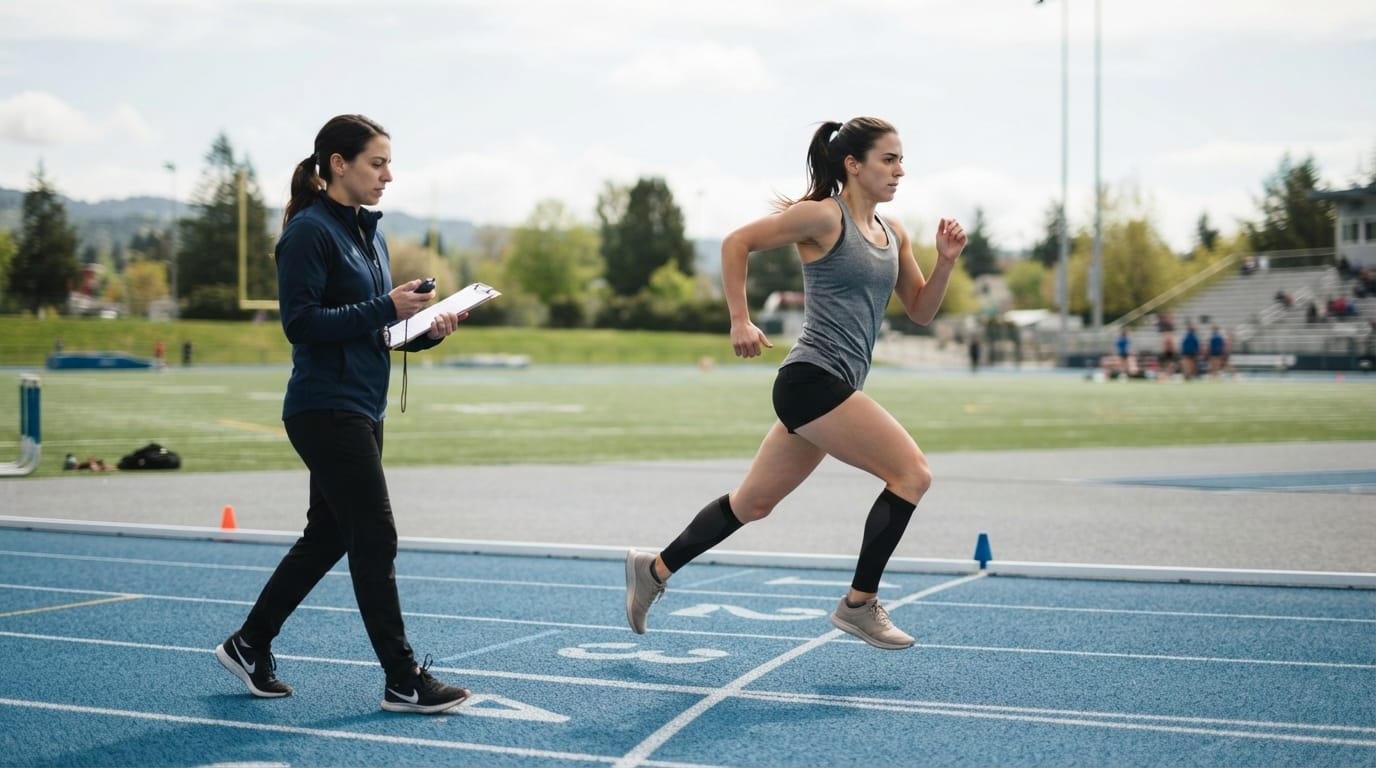
An athlete may begin with comfortable jogging, then progress toward faster running, acceleration, and eventually sprinting as appropriate.
Running progression should be gradual. The goal is to expose the hamstring to increasing speed without suddenly jumping from easy rehabilitation to maximum sprinting.
Agility can also matter for field and court athletes. Soccer, football, rugby, and similar sports demand cutting, stopping, and rapid changes of direction.
Our guide to safe exercises during sports injury recovery explains why exercise difficulty should increase in stages rather than all at once.
How to Return to Sport After a Hamstring Injury
A safe return usually begins before the athlete reaches full practice.
Running speed, training duration, change-of-direction work, and sport-specific drills can be increased step by step.
The athlete should also pay attention to how the hamstring feels later that day and the following morning.
A session that feels fine during training can still create a significant increase in soreness afterward.
That response may mean the next progression needs to be delayed or adjusted.
Build From Controlled Exercise Toward Real Sport Demands
The final stages of hamstring injury rehabilitation should prepare the athlete for what actually happens during competition.
A soccer player needs more than comfortable jogging. The athlete may need repeated accelerations, sprinting, kicking, cutting, and reactions to other players.
A track sprinter needs exposure to increasing speed and acceleration demands.
A basketball athlete may need repeated bursts, defensive movement, jumping, and changes of direction.
Training should gradually begin to resemble those demands.
Confidence matters as well. Athletes who are afraid to sprint may change their mechanics or avoid using the injured leg normally.
A structured progression gives them opportunities to rebuild trust in the muscle before competition.
Know When to Get the Injury Assessed Instead of Guessing
Some hamstring strains improve with conservative rehabilitation, but not every posterior thigh injury should be managed alone.
Seek professional assessment when pain is severe, walking is difficult, significant bruising or swelling develops, weakness is obvious, or symptoms do not improve as expected.
A sudden pop with major weakness or extensive bruising may indicate a more significant injury.
Recurring strains also deserve attention. Repeatedly resting until pain disappears and then returning directly to full sport may leave the underlying deficits unresolved.
Professional evaluation can help identify whether strength, running mechanics, training load, mobility, or another factor needs more attention.
Athletes recovering from other lower-limb problems may notice similar load-management lessons. Our article on Achilles tendon pain in runners and court sports explains why returning to high-load activity too quickly can create repeated setbacks.
The new 2026 research does not give athletes one perfect hamstring program.
Instead, it highlights how inconsistent the existing evidence remains.
Strength work appears often. Progressive running appears often. Agility and flexibility also appear frequently. Yet program details and return-to-sport criteria are still not standardized.
That makes individualized progression especially important.
Good hamstring injury rehabilitation should move beyond waiting for pain to disappear. It should help restore strength, gradually rebuild running speed, prepare the athlete for sport-specific movement, and test readiness before full competition.
Returning fast can feel important when a season, tournament, or race is approaching.
Returning prepared is more important.
You can review the September 2026 research in the BMJ Open Sport & Exercise Medicine scoping review of hamstring rehabilitation programs.
This article provides general sports injury education and does not replace medical diagnosis, physical therapy, or individualized rehabilitation advice. Seek qualified healthcare guidance for severe pain, significant weakness, bruising, repeated hamstring injuries, or symptoms that do not improve.