Concussion return to play is one of the most important sports injury topics for 2026 because athletes, parents, coaches, and leagues are paying closer attention to brain health. A concussion is not just a hard hit, a headache, or something an athlete can “shake off.” It is a brain injury that needs recognition, rest, gradual recovery, and smart decision-making before an athlete returns to full sport.
This topic fits naturally with the injury-prevention focus on Sports-Injuries.com. Your readers are already learning about safer training through articles like Wearable Tech for Sports Injury Prevention in 2026, Heat Illness in Athletes in 2026, and Strength Training for Injury Prevention in 2026. Concussion safety belongs in the same conversation because performance should never come before long-term health.
Why Concussion Return to Play Is a 2026 Sports Injury Topic
Concussions are getting more attention because sports medicine is moving beyond the old idea that only obvious symptoms matter. Athletes may not always lose consciousness. They may not look seriously hurt. Some may even finish a play, stand up, or say they feel fine because they want to stay in the game. That is exactly why concussion return to play must be handled with structure instead of emotion.
The Centers for Disease Control and Prevention tracks sports- and recreation-related traumatic brain injuries and concussions to better understand who is affected, which sports create risk, and whether prevention programs are working. For outside guidance, coaches and parents can review the CDC HEADS UP resource here: CDC HEADS UP sports and recreation concussion data.
Why head impacts are getting more attention
In 2026, the conversation is not only about diagnosed concussions. It is also about repeated head impacts, especially in contact and collision sports. Football, soccer, hockey, basketball, wrestling, cheerleading, cycling, skateboarding, and similar activities can all involve falls, collisions, or sudden impacts that affect the head and neck.
Recent soccer discussions have also focused on reducing unnecessary heading, especially for children. That matters because young athletes are still developing physically and neurologically. Safer rules, better coaching, proper technique, and stronger reporting habits can help protect athletes before a serious injury happens.
1. Remove the athlete when symptoms appear
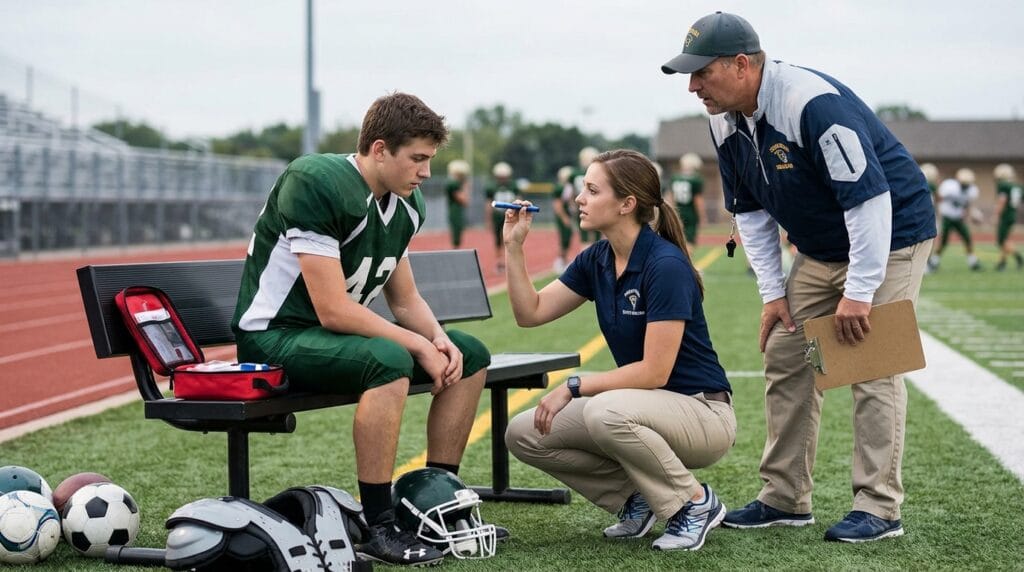
The safest rule is simple: when in doubt, sit them out. If an athlete takes a blow to the head or body and shows possible concussion symptoms, they should be removed from play and evaluated. Warning signs may include headache, dizziness, confusion, balance problems, nausea, blurred vision, sensitivity to light or noise, memory problems, unusual behavior, or feeling “not right.”
Athletes should not return to the same game just because they want to help the team. Coaches should never ask an athlete to prove toughness after a possible concussion. A short-term win is not worth a long-term brain-health risk.
2. Do not rely on toughness or same-day decisions
One of the biggest mistakes in concussion management is making return-to-play decisions during the emotional pressure of competition. The athlete wants to continue. The team may need them. Parents may be worried or confused. Coaches may not see obvious symptoms. That pressure can lead to bad decisions.
Same-day return is risky when concussion is suspected. The better approach is to stop activity, monitor symptoms, and involve a qualified healthcare professional. A concussion return to play plan should not be based on the scoreboard, tournament schedule, or the athlete’s promise that they feel okay.
What symptoms should stop an athlete from returning
Symptoms can appear right away or develop later. That is why sideline checks are only part of the process. An athlete may seem fine at first, then develop headache, fatigue, mood changes, sleep problems, fogginess, or trouble concentrating later that day or the next morning. Parents and teammates should watch for changes after the game too.
Emotional symptoms also matter. Some athletes become irritable, anxious, sad, or unusually withdrawn after a concussion. These signs are sometimes dismissed because they do not look like a physical injury. That is a mistake. Brain injuries can affect thinking, mood, sleep, and energy, not only balance or pain.
3. Watch symptoms after the game, not only on the field
Coaches may only see the first few minutes after impact, but families often see what happens later. If an athlete complains of headache, sleeps unusually, struggles with homework, avoids bright light, feels nauseated, or seems mentally slower than normal, those signs should be taken seriously.
A written symptom log can help. Parents can write down what the athlete feels, when symptoms appear, what makes them worse, and whether they improve with rest. This information can help healthcare providers make better recommendations.
How to Build a Safer Return-to-Play Plan
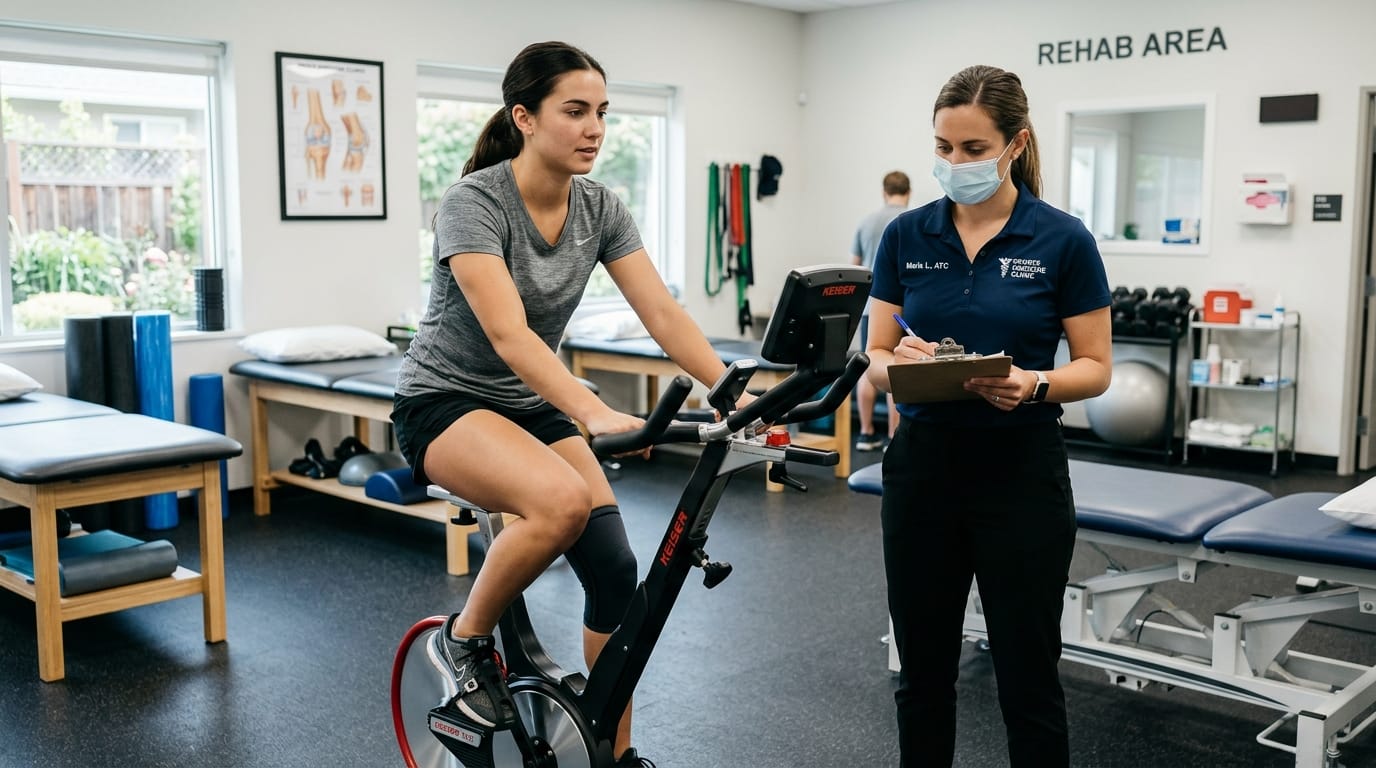
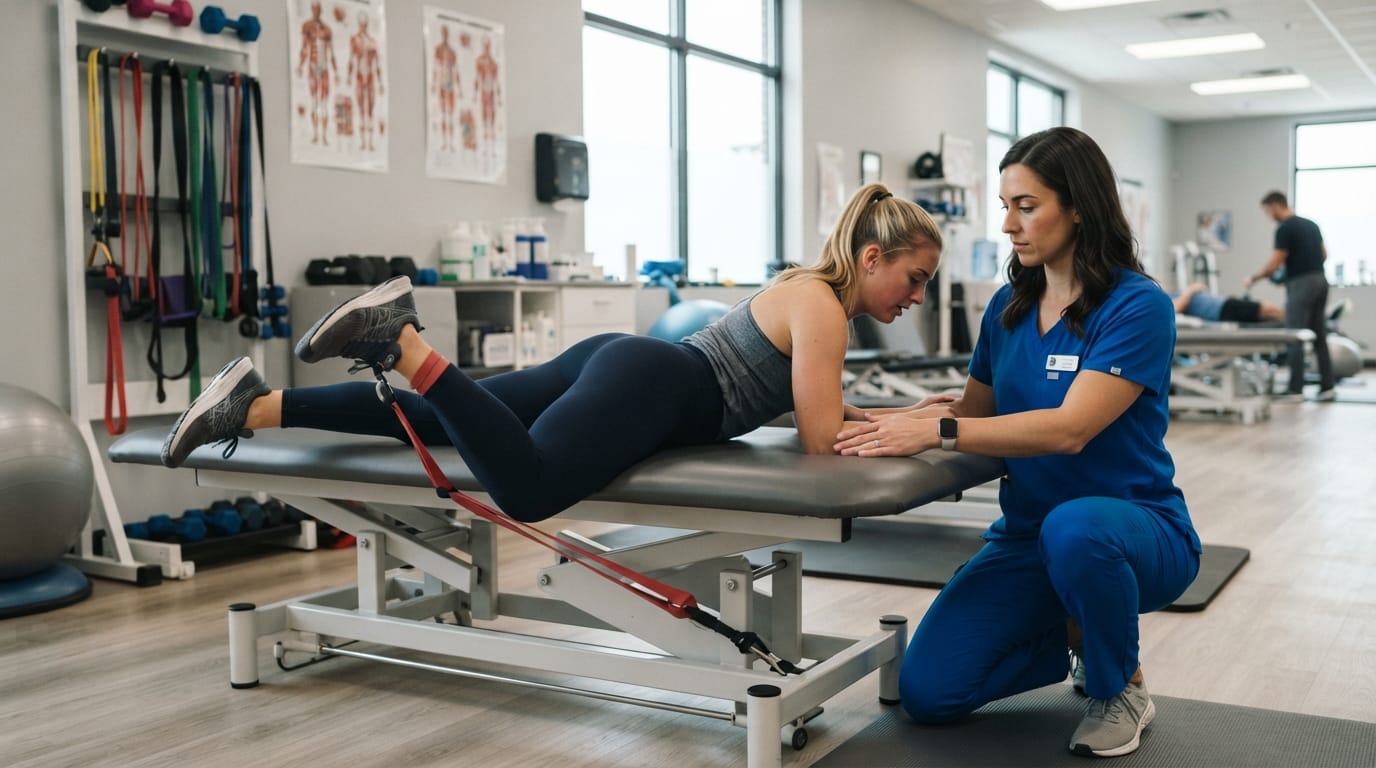
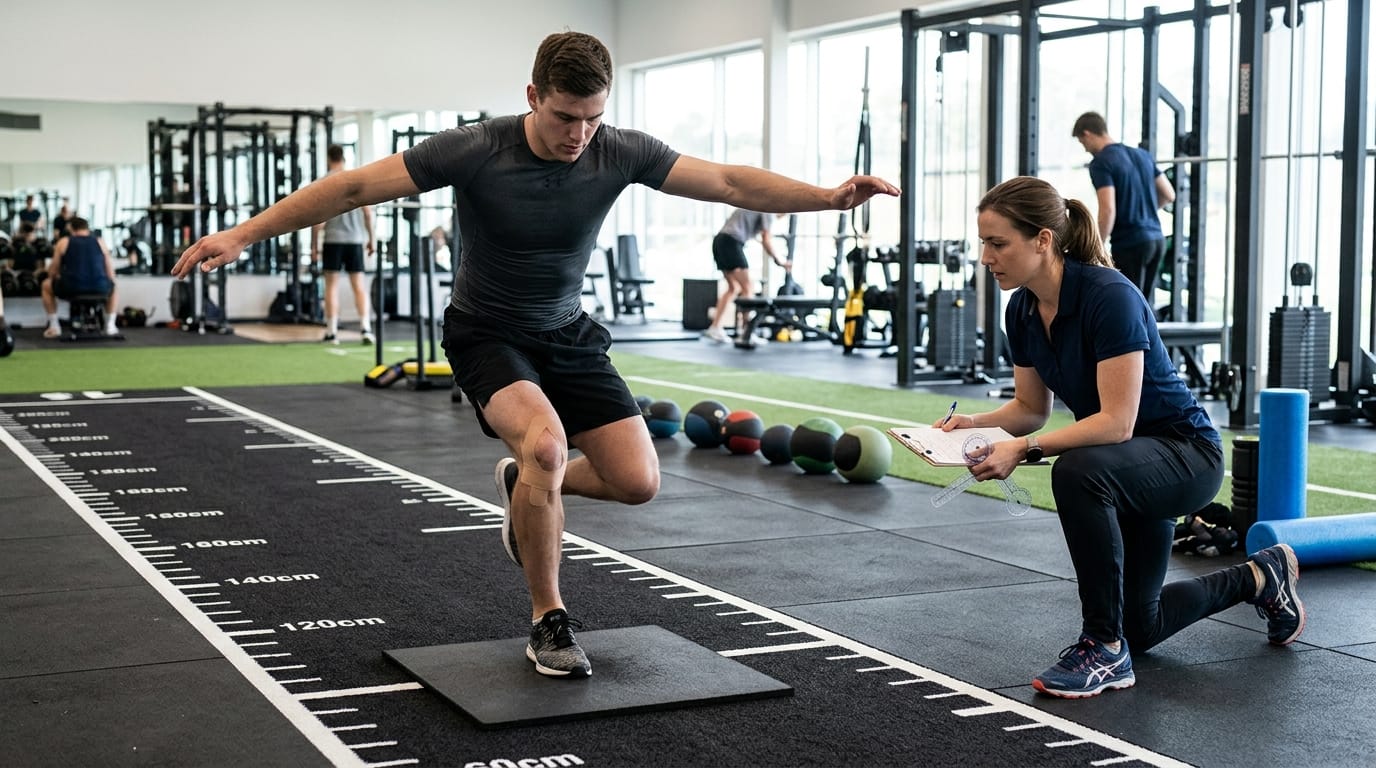
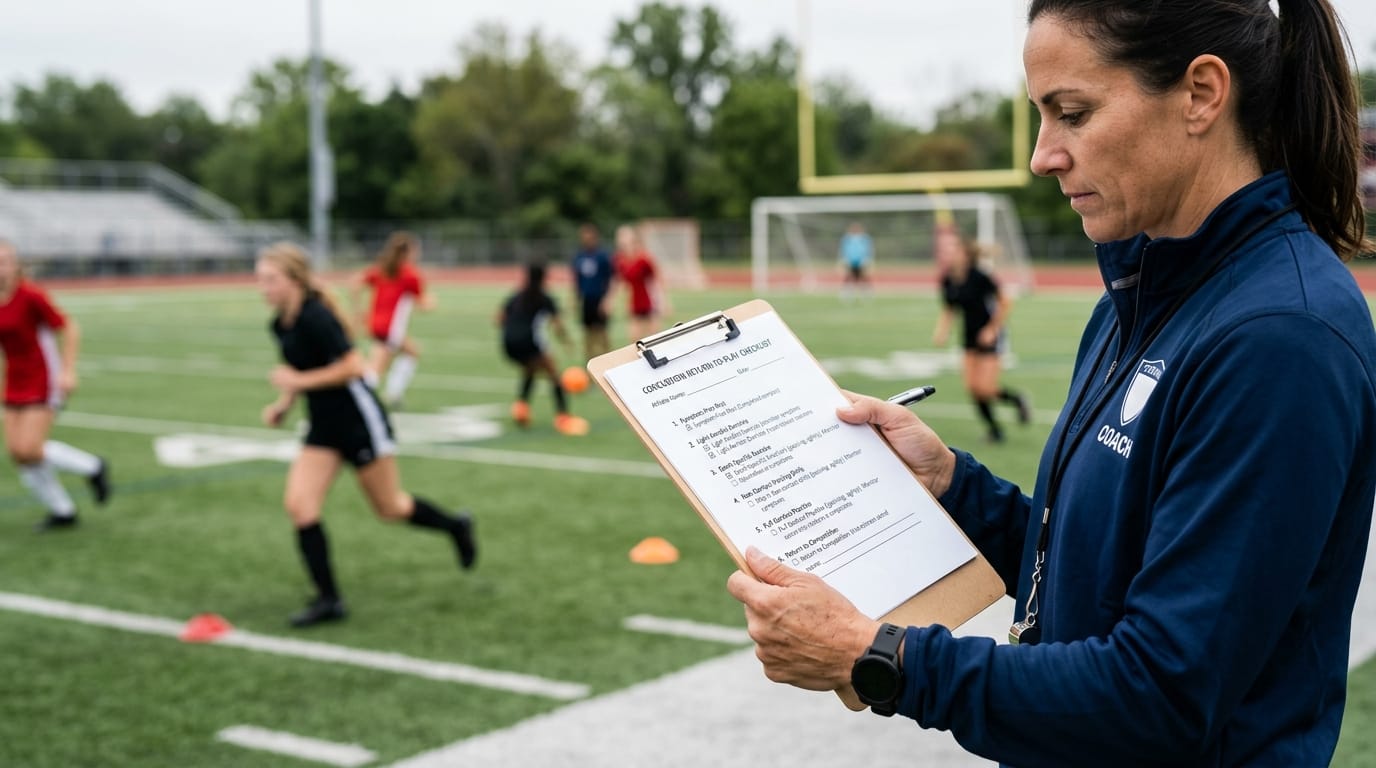
A safe concussion return to play plan is gradual. The athlete should not jump from rest straight into full practice or competition. Recovery usually begins with physical and cognitive rest, then progresses through light activity, moderate exercise, non-contact sport drills, full practice after clearance, and finally competition. Each step should be symptom-free before moving forward.
This is where patience matters. Athletes often feel frustrated when they are told to wait. However, returning too soon can lead to worse symptoms, longer recovery, or another injury. The goal is not just to return fast. The goal is to return safely and stay healthy enough to keep playing.
A practical step-by-step approach
First, stop activity after a suspected concussion. Second, get evaluated by a qualified healthcare professional. Third, follow rest and recovery guidance. Fourth, begin light activity only when symptoms are improving and medical guidance allows it. Fifth, increase intensity slowly. Sixth, return to full practice and competition only after proper clearance.
During this process, athletes should avoid hiding symptoms. Coaches should create a team culture where reporting symptoms is respected, not mocked. Parents should avoid pressuring young athletes to rush back for a championship, scholarship showcase, or tournament weekend. No single game is more important than brain health.
4. Pair return to play with prevention habits
Concussion prevention is not perfect, but risk can be reduced. Athletes should use proper equipment, learn safer technique, respect contact rules, build neck and trunk strength, and avoid playing while exhausted. Fatigue can affect reaction time, balance, and decision-making, which may increase risk during collisions, falls, or awkward landings.
This is why concussion content connects with other Sports-Injuries.com resources. Athletes recovering from any injury can benefit from The Best Exercises for Safe Recovery After a Sports Injury. Players in cutting sports can also review ACL Injuries in Women’s Soccer in 2026, because movement control, fatigue management, and safer training habits often overlap across injury types.
Athletes, parents, and coaches should treat concussion return to play as a health decision, not a sports decision. The athlete’s brain needs time and protection. A structured plan gives everyone a clearer path: remove, evaluate, recover, progress gradually, and return only when it is safe.
The bottom line is direct. If a concussion is suspected, do not guess. Do not rush. Do not let pride decide. Sit the athlete out, get proper evaluation, and follow a step-by-step return-to-play plan. That is how teams protect performance today without sacrificing brain health tomorrow.
Disclaimer: This article is for general educational purposes only and is not medical advice. If an athlete has severe headache, repeated vomiting, confusion, seizure, loss of consciousness, worsening symptoms, weakness, unusual behavior, or any emergency warning signs after a head impact, seek medical care immediately.