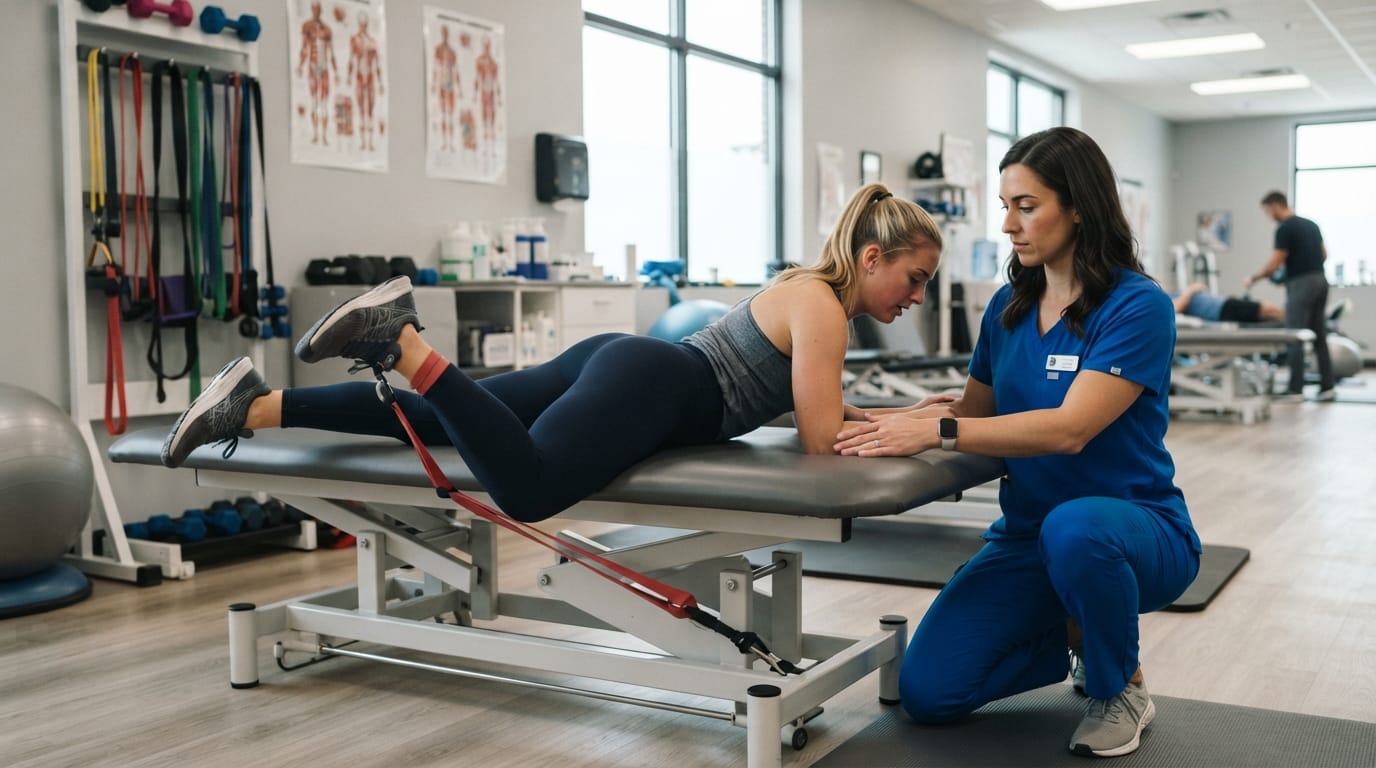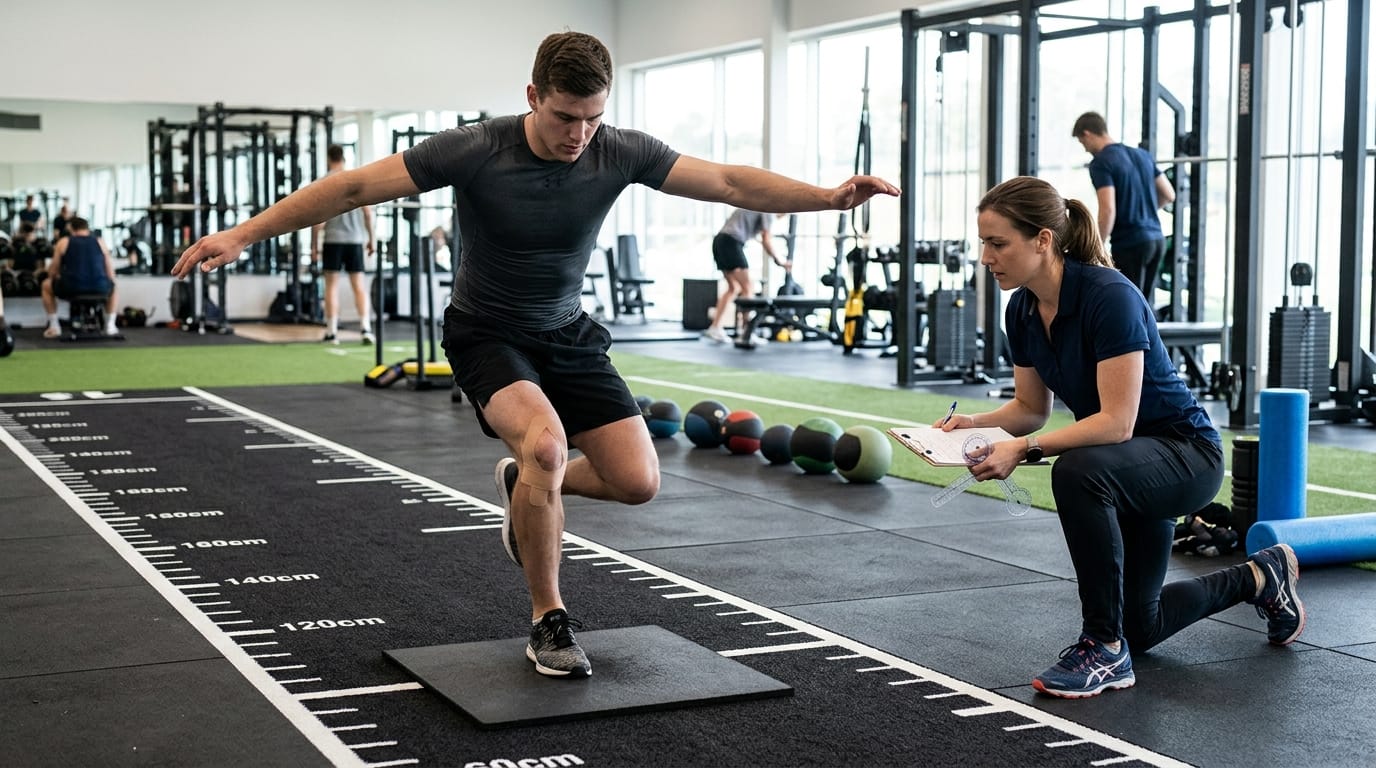

Bone stress injuries in athletes are becoming a bigger sports medicine conversation in 2026 because more athletes are training year-round, increasing mileage too quickly, and pushing through pain that should not be ignored. A sore shin, aching foot, or nagging lower-leg pain may look like normal training discomfort at first. But sometimes, that pain is an early warning sign of a bone stress reaction or stress fracture.
This matters because bone stress injuries often build gradually. Unlike a sudden ankle sprain or collision injury, they can start quietly. An athlete may feel mild discomfort during practice, then notice pain earlier in workouts, then begin limping, then finally feel pain during daily walking. By the time the athlete stops, the injury may already require weeks or months away from impact training.
For Sports-Injuries.com readers, this topic connects naturally with existing guides on Achilles tendon pain in runners and court sports, wearable tech for sports injury prevention, and youth sports specialization injuries. The shared message is simple: load matters, recovery matters, and pain that keeps returning deserves attention.
Why Bone Stress Injuries Are a 2026 Sports Injury Topic
Bone stress injuries are gaining attention because athletes are doing more structured training at younger ages and many recreational athletes are also increasing intensity too quickly. Runners, soccer players, basketball players, gymnasts, dancers, tennis players, military trainees, and court-sport athletes can all be at risk when repetitive impact exceeds the body’s ability to recover.
A bone stress injury happens when bone is repeatedly loaded without enough time to repair and adapt. Bone is living tissue. It responds to training, but it still needs recovery. When impact, fatigue, low energy intake, weak muscles, poor footwear, hard surfaces, and sudden training jumps stack together, the bone may begin to struggle.
Stress reaction vs. stress fracture
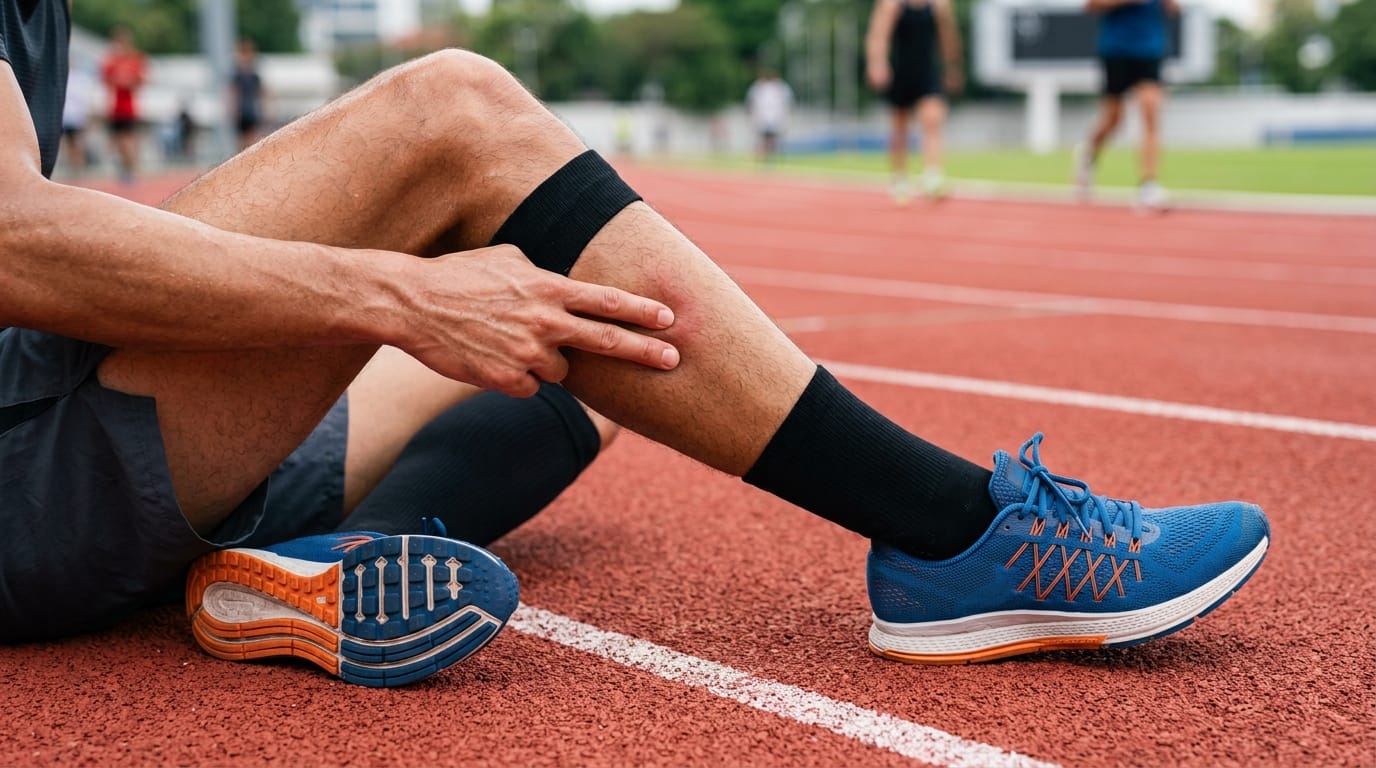
A stress reaction is often an earlier stage of bone overload. The bone is irritated and painful, but it may not yet have a clear crack. A stress fracture is more serious because a small crack has developed in the bone. Both conditions need respect. The earlier an athlete responds, the better the chance of avoiding a longer shutdown.
The problem is that many athletes wait too long. They assume shin pain is normal. They blame tight calves, old shoes, or a tough workout. Sometimes those factors are involved, but recurring bone pain is different from general soreness. If pain keeps coming back in the same spot, worsens with impact, or starts affecting walking, it is not something to casually push through.
Why shin pain is often misunderstood
Shin pain is one of the most confusing warning signs because athletes often call everything “shin splints.” Shin splints usually cause a more spread-out ache along the lower leg. A possible stress fracture is more concerning when pain is focused in one specific spot, gets worse during activity, continues after training, or hurts with walking or hopping.
This difference matters. Shin splints may improve with load changes, strengthening, footwear adjustments, and rest. A bone stress injury may need a more serious break from impact. If an athlete keeps running, jumping, or cutting on a stress fracture, the injury can worsen and recovery can become much longer.
Why athletes should not wait for severe pain
Waiting for severe pain is a bad strategy. Bone stress injuries often start as mild discomfort. The athlete may feel fine at the beginning of practice, then worse later. Over time, pain may appear earlier and last longer after activity. Eventually, it may hurt during normal walking or even at rest.
The American Academy of Orthopaedic Surgeons explains that stress fracture pain can cause limping, discomfort with regular activity, aching at night, swelling, or bruising. Athletes can read more from this authority source here: AAOS guide to stress fractures.
Common risk factors athletes should watch
Bone stress injuries rarely come from one single mistake. They usually happen when several risks combine. A runner may increase mileage, change shoes, sleep poorly, eat too little, and add speed work all in the same month. A teen athlete may play club, school, and tournament schedules without enough rest. A court-sport athlete may add extra conditioning on top of matches and ignore persistent lower-leg pain.
Training load is one of the biggest factors. Sudden increases in mileage, jumping volume, sprinting, hill work, court time, or tournament weekends can overload bone faster than it adapts. Hard surfaces and repetitive movement patterns add more stress. So does fatigue, because tired muscles absorb less impact and transfer more force to bones.
Fueling and recovery are part of bone health
Bone stress injury prevention is not only about training plans. Nutrition, sleep, and recovery matter too. Athletes who do not eat enough to match training demands may struggle to support bone repair. This can affect both female and male athletes, although female athletes with irregular or missing periods need special attention because hormonal changes can affect bone health.
Coaches, parents, and athletes should be careful with the “lighter is faster” mindset. Underfueling can backfire. A leaner athlete is not automatically a healthier athlete. If performance drops, injuries repeat, energy is low, mood changes, or recovery feels poor, the body may not be getting what it needs.
How Athletes Can Respond Before a Small Problem Becomes a Long Layoff
The best time to respond to a bone stress injury is early. That means paying attention before pain becomes dramatic. Athletes should track where pain occurs, when it starts, what makes it worse, and whether it improves with rest. A simple training log can help identify patterns, especially when pain appears after mileage jumps, harder practices, new shoes, or back-to-back games.
Wearable technology can help athletes understand workload, but it should not replace common sense. A watch may show good recovery, but if the shin hurts in the same spot every run, the body is giving better information than the device. This connects with the site’s article on what athletes should track and ignore with wearable tech.
A safer action plan for shin, foot, or lower-leg pain
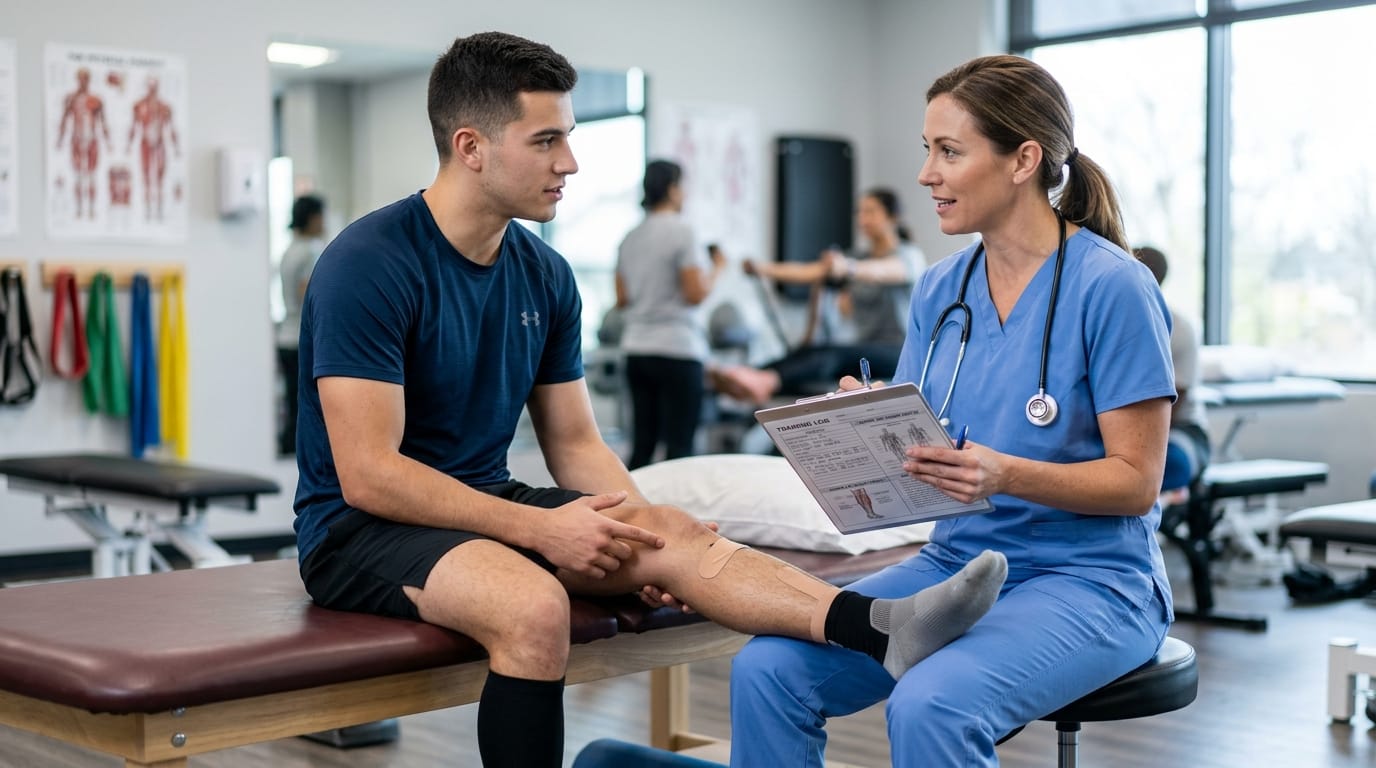
If pain is mild and spread out, athletes may start by reducing impact, checking footwear, warming up properly, adding calf and hip strength, and avoiding sudden training increases. But if pain is sharp, focal, worsening, or present with walking, it is time to stop impact activity and get evaluated by a qualified healthcare professional.
Athletes should be especially cautious with pain that causes limping, pain that hurts during a single-leg hop, swelling over a bone, pain that does not improve with rest, or pain that returns quickly when training resumes. These are not signs of toughness. They are signs that the body may need medical assessment.
During recovery, cross-training may help maintain fitness if approved by a clinician. Swimming, cycling, pool running, and strength training may be options depending on the injury location and severity. But impact should not return just because the athlete is bored. A gradual plan matters. For general rehab concepts, readers can visit safe recovery exercises after a sports injury.
When athletes should get checked
Athletes should get checked if pain is specific to one spot, worsens during training, continues after activity, affects walking, causes limping, appears with swelling, or does not improve after a short period of rest. They should also seek care sooner if they have a history of stress fractures, eating concerns, menstrual changes, low bone density, or repeated overuse injuries.
Medical evaluation may include a history, physical exam, and imaging when needed. X-rays do not always show early stress injuries, so clinicians may consider other imaging depending on symptoms. Athletes should not demand a quick return just because an important game, race, showcase, or tournament is coming up. Returning too soon can turn a manageable injury into a longer setback.
Prevention starts with smarter progression. Increase training gradually, build strength, rotate impact with lower-impact recovery sessions, avoid year-round overload, replace worn-out shoes, and schedule real rest days. Young athletes should avoid stacking school, club, private training, and tournament play without recovery. Adults should avoid jumping from inactivity to hard weekend competition.
Bone stress injuries in athletes are not always obvious at first, but they are serious enough to respect. Shin pain, foot pain, or lower-leg pain that keeps returning is not just an inconvenience. It is information. Athletes who listen early often return stronger and faster than athletes who ignore warning signs until walking hurts.
The bottom line is direct: soreness should improve as the body adapts. Bone pain that becomes more focused, more frequent, or more limiting should not be ignored. Reduce load, get assessed when warning signs appear, and return to sport gradually. Long-term performance depends on healthy bones, not just strong motivation.
Disclaimer: This article is for general educational purposes only and is not medical advice. Athletes with persistent pain, swelling, limping, night pain, pain with walking, or suspected fracture symptoms should seek evaluation from a qualified healthcare professional.